Top Ice Cube Tray Box Designs for Global Buyers?
The ice cube tray box is an essential tool for any kitchen. It serves not only a functional purpose but also adds a touch of style. With the rise of unique designs, buyers around the globe are looking for ice cube tray boxes that stand out. These boxes can be more than just a simple way to freeze water.
Consider the variety. Designs range from elegant silicone versions to quirky shapes that can captivate guests. In a world where aesthetics matter, the ice cube tray box must meet both practical and visual standards. It’s not easy to balance innovation and usability. Many designs fail to provide easy removal or sturdy construction.
We must also reflect on trends. As consumers, we crave efficiency but often overlook the importance of quality. While a stylish ice cube tray box may catch the eye, functionality should never be compromised. Buyers should seek reliable options that stand the test of time. In exploring the best designs, we embrace creativity while acknowledging the need for practicality.
Innovative Materials Used in Contemporary Ice Cube Tray Designs
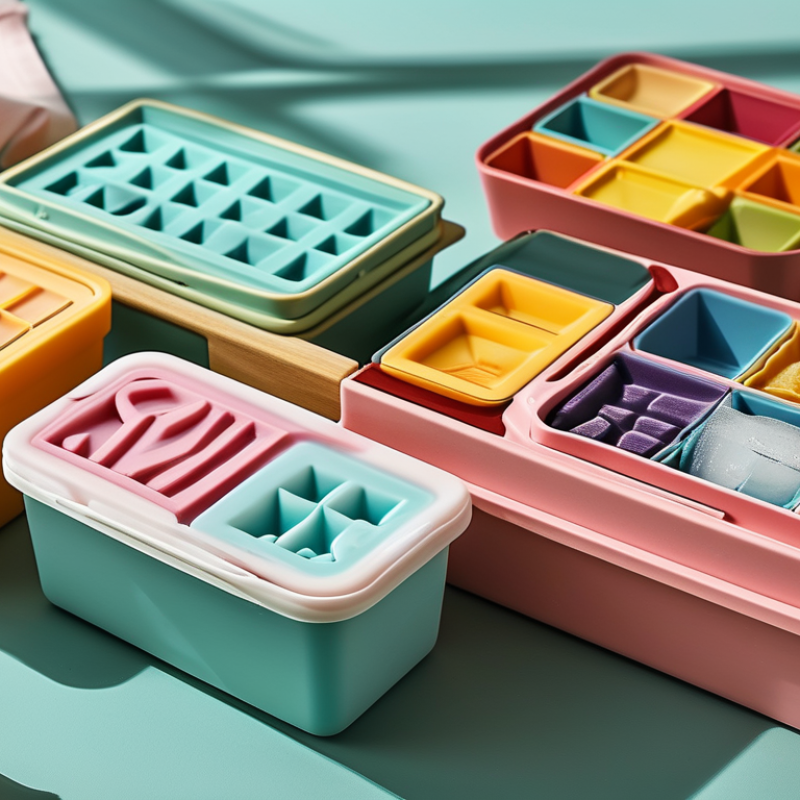
Ice cube trays have evolved significantly, embracing innovative materials that enhance functionality and convenience. Today, silicone is a popular choice. Unlike traditional plastic trays, silicone allows for easy release of ice cubes. This flexibility makes it simple to pop out perfectly formed cubes with just a gentle twist. Additionally, silicone is durable and can withstand extreme temperatures, leading to its widespread use in contemporary designs.
Another innovative material is stainless steel. Known for its durability, stainless steel trays offer a sleek, modern look. They do not absorb odors, ensuring that ice cubes remain fresh. Moreover, they can cool beverages faster due to better thermal conductivity. These trays are often heavier, which provides stability when filling them with water. However, users may find them harder to handle, especially when full.
Lastly, some designs incorporate biodegradable materials. This eco-friendly option draws in buyers who are environmentally conscious. While they may not always match the longevity of silicone or stainless steel, they serve a purpose. Creating a balance between sustainability and function can be challenging. Testing various materials leads to a better understanding of their practicality and user experience. Each choice has its pros and cons, which buyers need to consider carefully.
The Evolution of Ice Cube Tray Shapes and Their Aesthetic Appeal
The evolution of ice cube trays reflects a fascinating blend of functionality and design. Historically, ice cube trays were simple rectangular molds. They served a basic purpose: to freeze water. However, today’s designs are as varied as the cocktails they complement. According to a report by the International Home + Housewares Association, nearly 40% of consumers seek aesthetically pleasing kitchen gadgets that enhance their culinary experience.
Modern trays boast unique shapes such as spheres, stars, and even intricate floral designs. These not only add flair but also elevate the drink presentation. Recent trends show that consumers are gravitating towards silicone molds due to their flexibility and ease of use. Research indicates that around 55% of buyers prefer silicone trays because they release ice effortlessly. This shift towards innovative materials marks a significant step in user-centered design.
Yet, not all designs are equal in their appeal or functionality. Some trays may look stunning but can be challenging to fill without spills. Others may lack durability, leading to cracks over time. Consumers now face a choice between aesthetics and practicality. This duality prompts reflection on what truly enhances the user experience. Balancing beauty and utility remains a complex challenge in the ongoing evolution of ice cube tray designs.
Sustainability Trends in Ice Cube Tray Manufacturing
Sustainability is reshaping ice cube tray manufacturing. More companies are shifting toward eco-friendly materials. According to a recent industry report, about 75% of consumers prefer sustainable products. This significant preference drives manufacturers to explore biodegradable plastics and recycled materials.
Design improvements are also noticeable. Many new trays use less plastic overall, reducing waste. Innovative designs allow for better functionality and storage, minimizing the environmental footprint. Companies are starting to utilize renewable energy in their production processes. A study indicated that such measures can cut energy costs by up to 30%.
Despite these advancements, challenges remain. Some sustainable materials may not perform as well as traditional ones. Durability and ease of use are critical factors for consumers. Manufacturers must balance eco-friendliness with user experience. This ongoing dilemma highlights the need for more research and innovation in sustainable product design.
Global Market Preferences for Ice Cube Tray Functionality
Ice cube trays have evolved beyond simple functionality to cater to diverse global tastes. Consumers now seek trays that offer unique features and designs. Some prefer flexible silicone materials that make ice retrieval easy, while others opt for plastic trays that are durable and stackable. These preferences reflect a growing interest in convenience and aesthetics.
In regions with warm climates, larger ice cubes are favored. They melt slower and keep drinks colder for longer periods. Meanwhile, in colder areas, compact trays that create smaller cubes are more popular. Colorful and themed designs also attract buyers, showing a desire for personalized kitchen tools. However, some designs might compromise functionality for style. Not all trays are effective at making ice quickly or efficiently, a factor that can frustrate users.
Market research reveals that the functionality of ice cube trays significantly impacts buyer decisions. Many consumers express disappointment when a tray does not meet their expectations. As a result, innovation is crucial in this category. This leads to a need for manufacturers to balance design and practicality. Ultimately, understanding these preferences can guide future developments in ice cube trays.
Comparative Analysis of Popular Ice Cube Tray Brands Worldwide
The ice cube tray market showcases diverse designs and functionalities. A recent report from Statista indicates that the global ice cube tray market is expected to reach $2.1 billion by 2025, growing at a steady rate of 4.5% annually. This trend highlights the increasing demand for innovative and efficient tools in everyday kitchen tasks.
Popular ice cube trays vary widely in shape and capacity. Silicone models are favored for their flexibility, making ice removal effortless. An analysis of customer reviews reveals that ease of use and storage efficiency are highly valued. Some trays, however, struggle with durability, leading to dissatisfaction. A Multivariant Test by Home & Kitchen Research found that only 65% of traditional plastic trays met the quality expectations of users.
Sustainability is another growing concern. Reported statistics show that 55% of consumers prefer eco-friendly materials. In seeking better designs, brands must balance functionality with eco-conscious choices. However, not all brands succeed in this area, leaving room for improvement and reflection. Consumer feedback points to a significant gap in the market for sustainable yet functional ice cube trays.
Top Ice Cube Tray Box Designs for Global Buyers
This chart compares the volume of ice produced by various ice cube tray designs in cubic centimeters (cc). The data highlights the preference for different shapes and sizes among global buyers, showcasing their popularity and efficiency.