What is an Outdoor Ice Cooler Box and How to Choose One?
Choosing the right Outdoor Ice Cooler Box is essential for outdoor enthusiasts. These coolers can keep your food and drinks cold for hours, making them a staple for camping, picnics, and backyard parties. Expert John Stevens, a veteran in the outdoor product industry, states, "A reliable cooler can make or break your outdoor experience." This emphasizes the significance of selecting the right cooler.
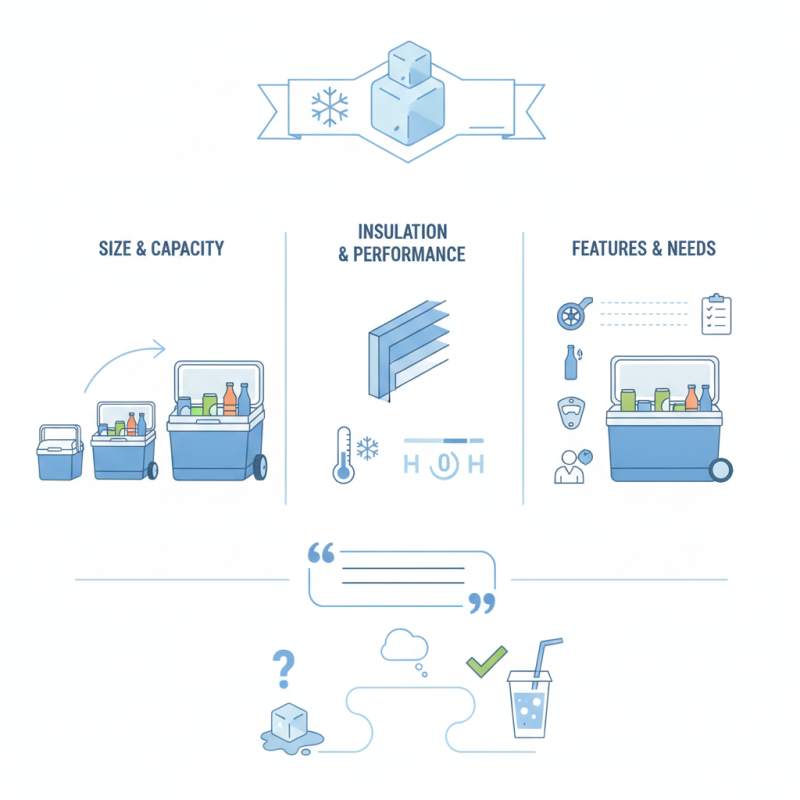
When considering an Outdoor Ice Cooler Box, think about size and insulation. A larger cooler can hold more items but may be heavier. Insulation quality is crucial; it directly impacts how long your cooler will keep items cold. Various features, such as wheels or cup holders, may also enhance convenience.
However, many people overlook their specific needs. Some may buy a cooler that is too large or too small for their activities. Evaluating your requirements helps avoid this common mistake. Investing time in understanding your options leads to better decisions. Quality varies greatly, and not all coolers perform similarly in real-world conditions. A thoughtful choice in this area pays off in enjoyable outdoor experiences.
Definition and Purpose of an Outdoor Ice Cooler Box
An outdoor ice cooler box is a versatile tool for anyone who enjoys outdoor activities. It is designed to keep food and drinks cold during picnics, camping trips, or beach days. These cooler boxes are made to withstand different weather conditions and often come with features like thick insulation. The insulation keeps ice from melting quickly, ensuring your items stay chilled for hours.
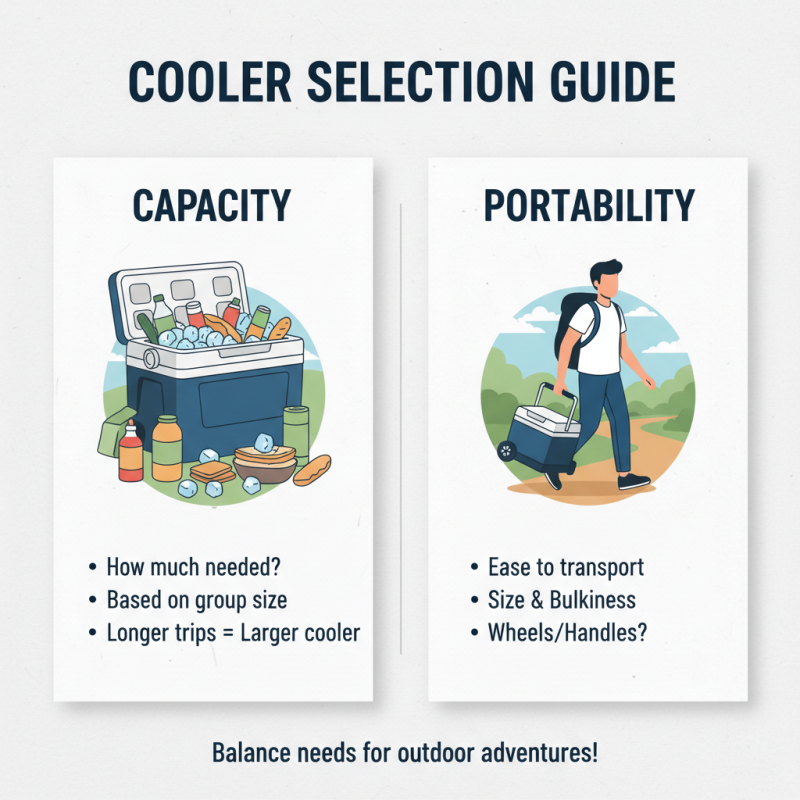
Choosing the right cooler box can be tricky. Consider the size first. A larger box may hold more items, but it can be heavy when full. Portability is essential. Check the weight and whether it has wheels for easy transport. Look for additional features like drainage plugs or cup holders. These can enhance your experience during gatherings.
Remember, not all coolers are created equal. Some may not retain cold temperatures as expected. Research and read reviews to find reliable products. Consider how often you'll use it. Frequent users might want a more durable option. Think about your specific needs. A cooler box should serve your purpose well. Be cautious with your selection to ensure it meets your outdoor lifestyle requirements.
Key Features to Look for When Choosing an Outdoor Ice Cooler Box
When selecting an outdoor ice cooler box, several key features stand out. Insulation quality is vital; it determines how well the cooler retains ice. According to a study by the Outdoor Industry Association, coolers with thicker walls can keep ice for up to five days. This is crucial for extended outings, especially in hot climates.
Look for a cooler with a robust lid. A secure seal prevents warm air from entering. Easy-to-use latches can be beneficial. Consider the weight and portability as well. Some coolers weigh over 40 pounds when empty, making transport challenging. The right size for your needs matters too. A smaller cooler might be sufficient for day trips, but larger groups will require more capacity.
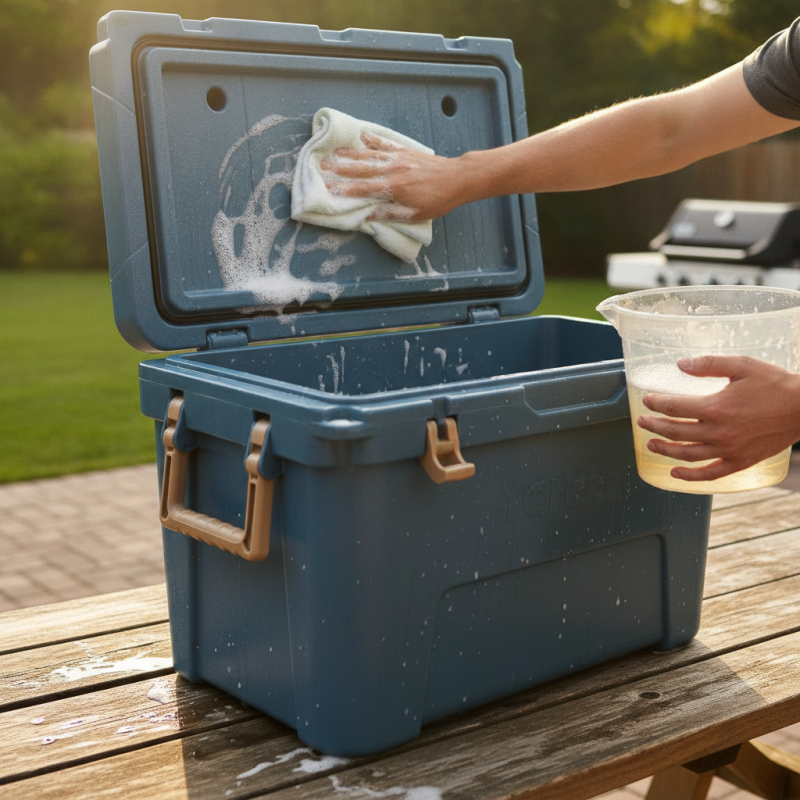
Additionally, ventilation features can enhance ice retention. Many high-quality models come with a drain plug for easy cleaning. However, not all coolers perform well in all conditions. Some may struggle in extreme heat or direct sunlight. It's best to research thoroughly and compare user reviews. Balancing insulation, size, and drainage will lead to better experiences outdoors.
What is an Outdoor Ice Cooler Box and How to Choose One? - Key Features to Look for When Choosing an Outdoor Ice Cooler Box
| Feature |
Description |
Importance |
| Insulation |
The thickness and quality of the insulation material that keeps items cold for extended periods. |
High |
| Capacity |
The volume of the cooler, which determines how much it can hold. |
Medium |
| Portability |
Features like wheels and handles that facilitate easy transportation. |
High |
| Durability |
Materials used that can withstand outdoor conditions and rough handling. |
High |
| Drainage |
A spout or system that allows easy drainage of melted ice and water. |
Medium |
| Temperature Retention |
The ability of the cooler to maintain cold temperatures over time. |
High |
Types of Outdoor Ice Cooler Boxes: Which One Suits Your Needs?
When selecting an outdoor ice cooler box, understanding the types available is crucial. Hard-sided coolers offer durability and excellent insulation. They can keep ice frozen for days. However, they are often bulky. Soft-sided coolers are lighter and easier to carry. They are perfect for short trips or day hikes. But, their insulation may not match that of hard-sided options.
Consider your usage needs. For long camping trips, a hard-sided cooler might be best. For picnic outings, a soft-sided model can fit bottles and snacks effectively. You may also find wheeled coolers beneficial for easy transportation. Their mobility makes them perfect for tailgating or beach days.
Tips: Always check insulation ratings. A well-reviewed cooler will perform better. Don’t overlook size. Choose a cooler that fits your space and storage needs. If you're uncertain, start smaller. You can adjust based on your experiences. Reflect on what you need for your outings. This approach will lead to better choices.
Considerations for Capacity and Portability in Cooler Selection
When choosing an outdoor ice cooler box, considering capacity and portability is vital. A cooler's capacity determines how much food and drink it can hold. It’s important to assess your needs based on the number of people you typically host. If you frequently go on camping trips, a larger cooler may be necessary. However, remember that larger coolers can be bulkier.
Portability is equally critical. Heavy coolers can be unwieldy, especially when traversing rough terrain. Look for options with wheels or strong handles. This makes transporting easier. Note that some coolers offer designs for backpack carrying. This can be a smart choice for hiking trips where minimizing weight is key.
**Tip:** Always balance size and weight. Bringing an oversized cooler can lead to back pain.
Another consideration is the cooler's insulation. Thick walls mean better temperature retention. Some coolers can keep ice for several days, which is impressive. However, evaluate if you really need that extended cooling time. If you’re only using it for a short outing, a simpler option may suffice.
**Tip:** Test your cooler before a big trip. Fill it with ice and see how long it lasts. This can save you from surprises later.
When selecting a cooler, prioritize what matters most. Don’t get swayed by flashy designs. Instead, focus on practicality. Your ideal cooler should fit your lifestyle and usage patterns.