How to Choose the Best Ice Box Cooler for Your Needs?
Choosing the right Ice Box Cooler can significantly enhance your outdoor experiences. According to John Smith, a renowned expert in outdoor gear, "The right cooler can make or break your adventure." His insight highlights the importance of selecting a cooler that meets your specific needs.
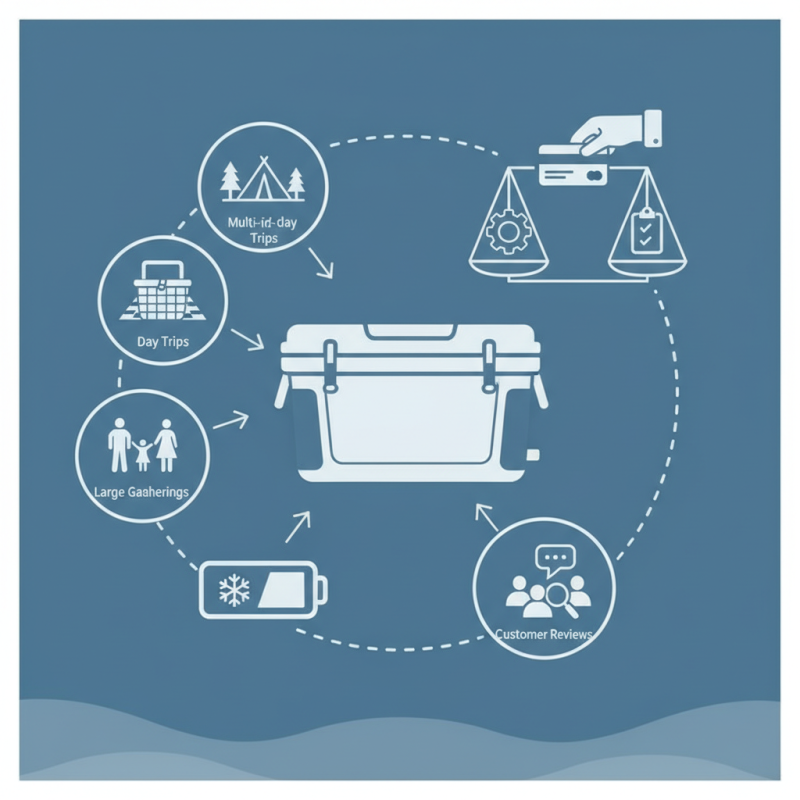
When shopping for an Ice Box Cooler, consider your activities. Are you camping for days or heading to a picnic? Each scenario requires different features. You might need a cooler that's durable and easy to carry. Think about capacity too; a small cooler may not suffice for a family gathering.
Quality matters. Look for coolers that maintain ice for extended periods. It’s also worth reflecting on brand reputation and customer reviews. Some popular brands may not always meet expectations, which shows that research is crucial. Balancing price and functionality can often lead to a cooler that reflects your personal style and needs.
Understanding Different Types of Ice Box Coolers Available on the Market
When selecting an ice box cooler, it’s essential to understand the different types available on the market. Generally, ice box coolers fall into several categories: traditional hard coolers, soft-sided coolers, and advanced technology coolers. According to industry data, hard coolers are favored for their durability and insulation efficiency. They often outperform soft coolers in temperature retention, making them ideal for camping and long trips.
Soft-sided coolers offer portability and lightweight convenience. They are easier to carry, making them perfect for day outings or picnics. The market research suggests that these models are gaining popularity, especially among younger consumers. However, some users report struggles with their insulation capabilities compared to hard coolers.
When choosing your cooler, consider the intended use. Do you need maximum ice retention or portability? Evaluate how you plan to use the cooler and where it will go.
Tip: Look for coolers with features like strong handles and a reliable sealing system.
Lastly, consider the technology behind some advanced coolers. They may offer built-in insulation and smart features. These models can justify their higher price point by providing superior performance. However, they might not always warrant the investment for casual users.
Tip: Assess your needs and budget to find the right match.
Key Features to Consider When Selecting an Ice Box Cooler for Your Needs
Choosing the right ice box cooler involves several key factors. Prioritize insulation effectiveness. A well-insulated cooler keeps ice for extended periods. The thickness of the walls and the type of materials used play significant roles here. Look for models that promise longer ice retention, especially for outdoor adventures.
Next, consider the size and weight. A larger cooler can handle more items but may be heavy to carry. Think about your transportation method. A compact cooler might be better for short trips. Portability matters if you plan to hike or travel. Don’t ignore features like handles and wheels. These can make a huge difference in how easy it is to move your cooler.
Finally, think about durability. Material quality should withstand various conditions. UV resistance is essential for outdoor use. Some coolers might show wear and tear quickly. Reflect on how often you'll use the cooler. Investing in a reliable model saves money in the long run. Be mindful of these factors to find a cooler that fits your specific needs.
How to Choose the Best Ice Box Cooler for Your Needs?
| Feature |
Description |
Importance |
| Insulation Material |
The type of insulation used impacts the ice retention time. |
Critical |
| Size and Capacity |
Choose based on how much food and drink you need to store. |
Very Important |
| Portability |
Consider whether it has wheels or handles for easy transport. |
Important |
| Durability |
Look for rugged materials that withstand outdoor environments. |
Very Important |
| Temperature Retention |
Assess how long the cooler keeps items cold. |
Critical |
| Drainage System |
Easy drainage systems simplify cleaning and ice removal. |
Helpful |
| Price |
Consider your budget relative to the features offered. |
Important |
Evaluating Size and Capacity for Your Ice Box Cooler Requirements
When choosing an ice box cooler, size and capacity are crucial. Consider how often you'll use it and for what activities. For day trips, a smaller cooler may suffice. However, for camping or long beach days, a larger cooler can hold more food and drinks.
Tip: Always think about how many people you’ll serve. A family picnic needs more space than a solo fishing trip. Measure your space and ensure the cooler fits in your vehicle.
Capacity also impacts cooling performance. A full cooler retains ice longer than a half-full one. If you're unsure, opt for a cooler slightly larger than necessary. It can be frustrating to run out of ice or space during an outing.
Tip: Assess the duration of your trips. Longer excursions demand greater capacity. Balance your needs with portability—heavy coolers can be cumbersome. Remember, it’s about practical use, not just brand loyalty.
Ice Box Cooler Size and Capacity Comparison
Comparing Insulation Performance and Efficiency Among Ice Box Coolers
When selecting an ice box cooler, insulation performance is crucial. Good insulation keeps your items cold for longer. It’s important to check the thickness of the insulation layers. Models with thicker walls tend to retain cold better. Consider the materials used as well; some insulate better under varying conditions.
Efficiency is another vital factor. A cooler's ability to maintain a low temperature can greatly vary. Look for options with airtight seals. These can minimize cold air loss and maximize cooling efficiency. The design of the cooler plays a role too. A well-designed lid can help improve thermal retention.
Tips: Always pre-chill your cooler before use. This simple step can enhance its performance. Also, pack ice strategically. Layering it between items can improve cooling efficiency. You may find that not all coolers are created equal. Consider feedback from others and research extensively before making a decision.
Exploring Price Ranges and Budget Options for Ice Box Coolers
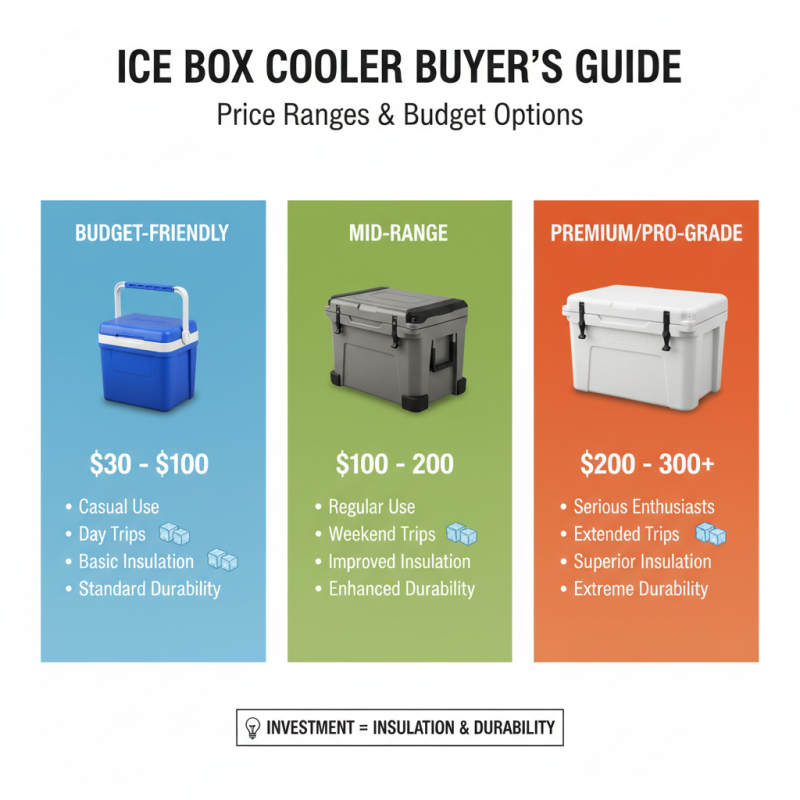
When selecting the best ice box cooler, price ranges and budget options play a critical role. According to recent industry reports, the average cost of a reliable ice box cooler varies widely, ranging from $30 to over $300. Lower-end models may suffice for casual users, while serious outdoor enthusiasts may find premium coolers worth the investment. Factors like insulation efficiency and durability often justify these price differences.
Tips: Always consider how often you will use the cooler. For occasional picnics, a mid-range cooler can be effective. However, frequent campers might need to invest more. Think about the size as well. Larger coolers hold more items, but they can be heavier and less convenient to carry.
Don’t overlook budget options, as they can still provide decent performance. Some coolers offer surprisingly good insulation at a lower price point. However, always check reviews and ratings before purchase. Durability is essential; it’s painful to invest in a cooler that fails after one trip. Take time to research and compare options based on your unique needs; it's better than rushing into a purchase.