How to Choose the Best Outdoor Ice Cooler Box for Your Needs?
Choosing the right Outdoor Ice Cooler Box can significantly enhance your outdoor experiences. As seasoned camping expert John Doe states, “The perfect cooler can make or break your adventure.” With the right cooler, you can keep your food and drinks fresh for days, allowing you to focus on enjoying nature.
When selecting an Outdoor Ice Cooler Box, consider one that fits your needs. Look for durability, insulation, and size. A good cooler must withstand rough terrains and varying temperatures. Do you need a compact option for a day trip or a larger one for a weekend getaway? Reflect on your outdoor habits and choose wisely.
Not all coolers are created equal. Some may promise excellent performance but fall short in real-life scenarios. A common issue is ice retention, which can vary widely among brands. Thus, thorough research is necessary. Choose a cooler that has proven its reliability over time. Take advice from outdoor enthusiasts to guide your decision. This way, you can ensure your cooler truly meets your expectations.
Factors to Consider When Selecting an Outdoor Ice Cooler Box
When selecting an outdoor ice cooler box, several factors come into play. The size of the cooler is crucial. It should accommodate your needs. Consider how much food and drink you usually take on trips. A cooler that's too small will be inconvenient. Conversely, an oversized cooler can be cumbersome.
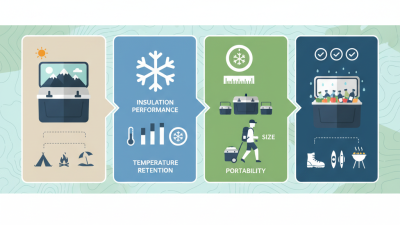
Insulation quality matters. A well-insulated cooler maintains ice for days. Look for models with thick walls and tightly sealed lids. This feature is essential for long outings. Additionally, portability is key. Features like sturdy handles and lightweight materials enhance transportability. A cooler that is difficult to carry may end up unused.
Material and durability are also significant. Plastic coolers tend to be lightweight but less durable than metal options. However, they can be less expensive. You should reflect on your usage. Will the cooler face rugged terrains, or be used for family picnics? Choose wisely to find a balance between durability and weight.
How to Choose the Best Outdoor Ice Cooler Box for Your Needs?
| Feature |
Description |
Importance Level |
| Insulation Performance |
The ability of the cooler to keep ice for an extended period. |
High |
| Capacity |
The total volume of the cooler, measured in quarts or liters. |
High |
| Weight |
The overall weight of the cooler, especially when full. |
Medium |
| Durability |
The materials used in construction and their resistance to impacts and outdoor elements. |
High |
| Portability |
Features that facilitate easy transport, such as wheels and handles. |
Medium |
| Price |
The cost of the cooler, which should reflect its performance and features. |
High |
| Ease of Cleaning |
How simple it is to clean and maintain the cooler. |
Medium |
| Additional Features |
Extra functionalities like built-in cup holders, bottle openers, or fish rulers. |
Low |
Insulation Efficiency: Understanding R-Value for Temperature Retention
When selecting an outdoor ice cooler box, insulation efficiency is crucial. The R-value measures a cooler's ability to retain temperature. A higher R-value indicates better insulation. Understanding R-value helps you make informed decisions based on your needs. For example, if you plan to spend long hours outside, a cooler with a high R-value can keep your items cold for days.
However, it’s important to clarify that R-value alone isn't everything. The construction of the cooler also plays a vital role in its overall performance. Some coolers may have a high R-value but poor sealing. This can lead to heat exchange and diminishing ice retention. Remember that a cooler's material quality and design contribute to its ability to keep the cold in.
Finally, consider your specific requirements. If you frequently venture into warmer climates, invest in a cooler with superior insulation. Reflect on your usage habits, as this can help you choose the best option. Engaging with different options online or offline will provide different insights. Pay attention to your choices and revisit your purchase decisions if necessary.
Capacity Requirements: Determining the Right Size for Your Activities
Choosing the right outdoor ice cooler box starts with understanding your capacity requirements. Different activities need varying sizes; a family picnic might need a smaller cooler, while a camping trip could require something much larger. Reports show that coolers between 30-70 quarts are popular for group activities. They offer enough space for food, drinks, and ice.
Consider how long you plan to be outdoors. If it's a day trip, a smaller capacity may suffice. On the other hand, extended outings typically necessitate larger models. According to recent industry studies, coolers holding at least 50 quarts often provide a balance between portability and capacity. If you’re carrying it for long distances, think about weight and design.
When selecting a cooler, account for the number of people joining. A common guideline is 10-15 quarts per person for a day long trip. However, allow extra space for ice, as it takes up considerable room. Remember that older models might not retain ice as efficiently, requiring larger sizes for comparable cooling duration. A little thought can save you from frustration during your outdoor adventures.
Portability Features: Wheels, Weight, and Handles for Easy Transport
When choosing an outdoor ice cooler box, portability is crucial. You want something easy to transport. Look for models that come with sturdy wheels. They should roll smoothly over different terrains. A cooler that’s tough to maneuver can lead to frustration during your outdoor adventures. Weight plays a significant role too. Lightweight coolers can be a blessing, especially when carrying other gear.
Handles are equally important. Ergonomically designed handles can make a world of difference. Look for those that are comfortable to grip. Some coolers even have collapsible handles, which save space during storage. A cooler that is awkward to carry can ruin the experience. It can also be hazardous, leading to accidents.
Consider your specific needs. If you’re hiking, a lighter cooler is preferable. For beach trips, durable wheels are a must. Striking a balance between size, weight, and features can be challenging. Think about the capacity you need. A cooler too big can be heavy, while a smaller one may not hold enough. Always test the portability before purchase. It’s worth spending time on this to ensure you get a product that suits your lifestyle.
Comparison of Portability Features in Outdoor Ice Cooler Boxes
This bar chart compares the portability features of different outdoor ice cooler boxes. The metrics include the weight of the cooler, whether it has wheels for easy transport, and the number of handles available for lifting. Cooler A is the heaviest but offers two handles and wheels, while Cooler B is lighter with one handle and wheels, and Cooler C is the heaviest with no wheels.
Durability and Material: Comparing Rotomolded vs. Traditional Coolers
When choosing between rotomolded and traditional coolers, consider the materials closely. Rotomolded coolers are known for their rugged construction. They provide excellent insulation and durability. Made from thick plastic, these coolers resist impacts and harsh weather. This makes them ideal for outdoor adventures. If you plan to camp or hike, a rotomolded option might be best.
Traditional coolers, often made from thinner plastic, have their advantages too. They are lighter and often more affordable. However, they may not hold ice as long as rotomolded ones. You might find that they require more frequent ice replenishment. If your needs are minimal, a traditional cooler can suffice. Think about your activity level and frequency of use.
Both options have their merits. Rotomolded coolers excel in resilience, but traditional ones serve casual users well. It’s essential to weigh your choices based on usage patterns. Durability is critical, yet so is budget and weight. Reflect on your priorities.