How to Choose a Small Ice Box for Global Sourcing?
Choosing a Small Ice Box for global sourcing requires more than comparing prices and colors. The right model must protect temperature, survive transport, and fit the buyer’s actual selling market. A 6-liter box may suit lunch delivery, while a 25-liter model may serve fishing, camping, or medical sample transport. Volume matters. So does empty weight.
Roy Seiders, co-founder of YETI, described the company’s design ambition simply: “Build the best cooler in the world.” That principle remains useful for sourcing teams. A reliable Small Ice Box should combine dense insulation, a secure lid, durable hinges, and food-contact-safe interior materials. Buyers should request test samples before approving bulk production. Check ice retention, leakage, odor, handle strength, and performance after repeated opening. Small details often reveal large quality problems.
Global sourcing adds practical concerns. Confirm carton dimensions, pallet efficiency, minimum order quantity, labeling, warranty terms, and factory inspection procedures. Ask suppliers for material specifications and independent testing where appropriate. A lower unit price may become expensive after weak packaging causes cracked lids or high shipping volume. It happens.
The perfect specification does not exist. We may overvalue appearance and underestimate cleaning time. A glossy surface looks attractive, yet scratches can become visible quickly. The best decision balances insulation performance, retail demand, shipping cost, and long-term reliability. This guide will examine those trade-offs and help buyers compare Small Ice Box suppliers with clearer evidence.
Define the Size, Capacity, and Intended Use of the Small Ice Box
How to Choose a Small Ice Box for Global Sourcing?
Define the Size, Capacity, and Intended Use of the Small Ice Box
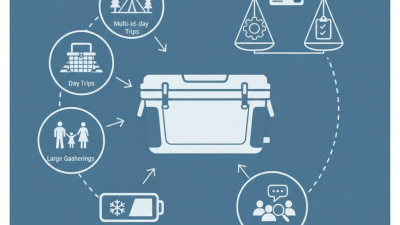
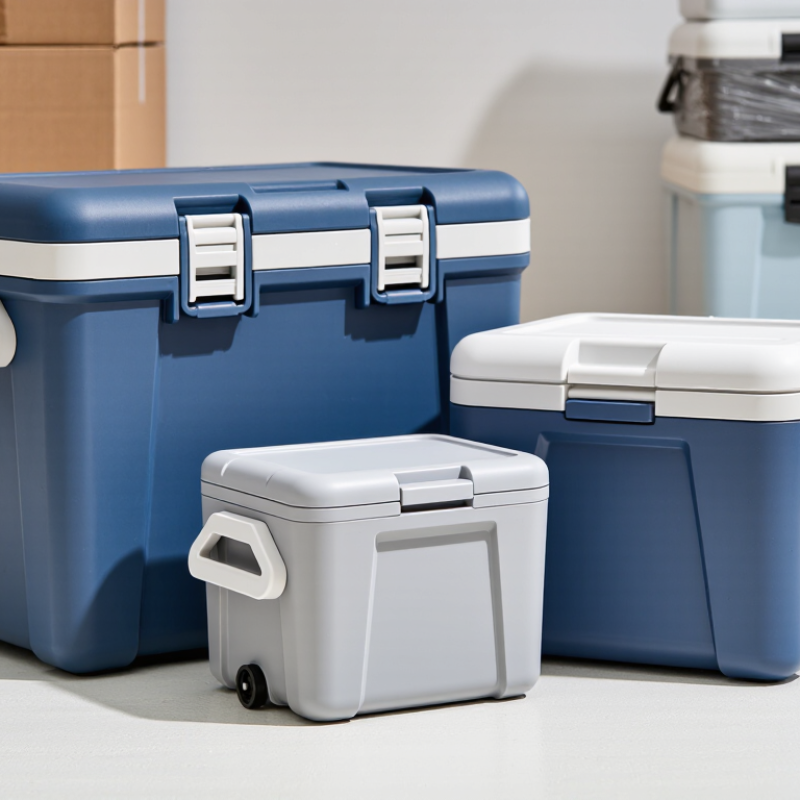
Start with the real load, not the product label. A 10-liter box may hold less than expected after insulation and ice packs. Measure the largest container, bottle, or meal tray that users will carry. Leave space for cold air circulation. A tight fit looks efficient, but it can reduce cooling performance.
Intended use should guide capacity. A lunch box for one person may need 6–10 liters. A day trip for two people often requires 15–25 liters. These figures are practical estimates, not universal rules. According to USDA Food Safety and Inspection Service guidance, perishable food should stay at or below 40°F (4.4°C). The agency also advises limiting exposure to unsafe temperatures. This makes ice retention more important than exterior volume alone.
Check the usable capacity, insulation thickness, drainage design, and empty weight. A Global Market Insights industry report identifies portable cooling products as a growing market, supported by travel, food delivery, and outdoor use. Yet market growth does not guarantee product suitability. Ask suppliers for test results, including internal temperature, ambient temperature, loading condition, and testing duration. Results without conditions can mislead. I once underestimated the space taken by reusable ice packs. The sample looked compact, but its usable capacity was disappointing. For global sourcing, request dimensional drawings and carton data before approving production.
Compare Insulation Materials, Cooling Performance, and Ice Retention
For global sourcing, compare insulation before counting claimed ice-retention hours. The ASHRAE Handbook—Fundamentals reports lower thermal conductivity for polyurethane than expanded polystyrene. That usually means thinner walls can provide stronger insulation. However, expanded polypropylene handles repeated impacts better. It also recovers its shape after rough transport. Vacuum-insulated panels perform exceptionally well, but they cost more and need careful protection from punctures.
Cooling performance depends on more than foam. A tight lid, minimal empty space, and pre-chilled contents reduce heat gain. The U.S. Food and Drug Administration Food Code uses 5°C (41°F) as a cold-holding benchmark. For shipments, test the box at the warmest expected route temperature, not only in a cool warehouse. ASTM D3103 provides a recognized approach for evaluating insulated shipping containers. Use data loggers at the center and near the lid. The difference can be surprising.
Ice retention claims need caution.
Many tests use large ice loads, shade, and limited opening. Real users open a small box repeatedly for drinks or samples. That changes everything. In practical trials, record starting ice mass, ambient temperature, opening frequency, and internal temperature. A smaller cooler may retain ice longer when packed tightly. Still, it offers less usable capacity. This trade-off is easy to overlook. Reviewers should also inspect hinge strength, gasket compression, drain design, and recycled-content documentation. No material wins in every market.
Check Global Sourcing Standards, Customization, and Supplier Reliability
How to Choose a Small Ice Box for Global Sourcing?
Check Global Sourcing Standards, Customization, and Supplier Reliability
A small ice box may look simple, but sourcing it across borders requires careful checks. Ask suppliers for material specifications, insulation details, and test reports that match your intended market. Requirements can vary, so verify them with a qualified local reviewer rather than relying on a generic certificate. Request samples and inspect the lid seal, hinge movement, and drainage plug. Small defects show up quickly in daily use.
Customization should solve a real problem. A different handle, color, or logo may help with handling or identification, but each change can affect tooling, cost, and lead time. Confirm minimum order quantities and approve a physical sample before production. Write down dimensions, material choices, packaging details, and acceptable tolerances. Even a few millimeters can matter when boxes need to fit in a vehicle or storage rack.
Supplier reliability takes more than a polished quotation. Ask how production issues are documented, who checks finished goods, and how updates are shared when schedules shift. Compare promised lead times with sample and production timelines. Keep key decisions in writing. A video call can help, but it cannot replace a sample inspection. I have seen buyers focus heavily on unit price and overlook packaging strength; it is an easy mistake, and sometimes the cheapest option is not the least costly.
How to Choose a Small Ice Box for Global Sourcing?
Key reference standards for evaluating materials and supplier systems
Publication years identify useful reference points, not product certifications. Check that food-contact materials comply with the regulations applicable in the destination market, request supporting test documentation, and assess supplier quality and environmental-management systems. Confirm the latest amendments and requirements before placing an order.
Calculate Total Import Costs, Minimum Orders, and Delivery Requirements
How to Choose a Small Ice Box for Global Sourcing?
A small ice box may look inexpensive until freight, packaging, and import charges are added. Compare the landed cost, not just the quoted unit price. Ask suppliers to list product costs, export packaging, shipping terms, and any origin-side fees separately. Then estimate freight, insurance, duties, and local handling with a customs broker or freight forwarder. Rates can change, so treat early estimates as estimates. A few extra dollars per unit can matter when the order is small.
Tips: Request the packed carton dimensions and gross weight. Check whether the quoted price includes protective packaging. Ask for a sample and test its lid seal, insulation, and usable capacity with ice. Small details matter. Record all fees in one spreadsheet, and leave room for surprises. I once trusted a low freight estimate too early; the final handling charge made the comparison less useful.
Minimum order quantities affect both cash flow and storage. Confirm whether the MOQ applies per color, size, or full shipment, and ask if a mixed order is possible. Before placing an order, confirm production time, carton count, delivery address, and whether delivery is port-to-port or door-to-door. For temperature-sensitive use, request clear performance details under stated conditions. A delivery date is not guaranteed unless the terms say so. Check every assumption.