Top 10 Tips for Choosing the Best 200l Ice Box?
Choosing the right 200l Ice Box can be a challenging task. As industry expert John Smith says, “Not every ice box meets every need.” There are many factors to consider when aiming for the best choice.
Quality and insulation are vital for keeping ice longer. It’s important to understand how often you will use it. Portability matters as well. Heavy boxes can be a hassle. Think about what you plan to store in your 200l Ice Box. Different activities require different features.
Design plays a role too. Some boxes have wheels; others do not. Look for sturdy materials that stand the test of time. Remember, you might not always get it right on your first try. Reflect on your needs and revisit your options. Make a decision that fits your lifestyle and activities.
Understanding Insulation: Key Factors for Optimal Ice Retention
When choosing a 200-liter ice box, understanding insulation is crucial. Insulation materials significantly impact ice retention. Thick walls often maintain temperatures better. Look for polyfoam or EPS insulation. These materials create a barrier against heat transfer. If the ice box feels light, it might not have sufficient insulation.
Air gaps are another concern. Sometimes, manufacturers neglect proper sealing. This leads to energy loss. A well-sealed lid is essential. Test it by closing it and listening for air leaks. Consider the design too. Double-walled constructions tend to be superior. They are harder to find but worth the effort.
Remember that the color affects temperature retention. Darker materials absorb more sunlight. If you plan to use your ice box outdoors, lighter colors may fare better. A reflective surface can keep it cooler for longer. Finally, review user feedback. Some models may seem perfect on paper but underperform in reality. Don't overlook these insights.
Top 10 Tips for Choosing the Best 200l Ice Box? - Understanding Insulation: Key Factors for Optimal Ice Retention
| Tip No. |
Tip Description |
Insulation Type |
Ice Retention Duration |
Weight (kg) |
Price Range ($) |
| 1 |
Choose a sturdy, thick-walled design |
Foam Insulation |
5-7 Days |
14 |
150-250 |
| 2 |
Look for airtight seals |
Polyurethane Insulation |
4-6 Days |
13 |
200-300 |
| 3 |
Opt for a lightweight model for better portability |
Expanded Polystyrene (EPS) |
3-5 Days |
12 |
100-200 |
| 4 |
Check for UV resistance for outdoor use |
Thermal Insulation |
5 Days |
15 |
180-280 |
| 5 |
Ensure a good drainage system for melted ice |
Dual Layer Insulation |
4-6 Days |
13.5 |
170-270 |
| 6 |
Review customer feedback on insulation performance |
Vacuum Insulation |
6-8 Days |
11 |
250-350 |
| 7 |
Consider additional features like cup holders |
Polyethylene Insulation |
3-5 Days |
14.5 |
120-220 |
| 8 |
Assess the size and storage capacity |
High-Density Foam |
5-7 Days |
15 |
160-260 |
| 9 |
Pay attention to the warranty offered |
Insulation Layering |
4-6 Days |
12 |
130-230 |
| 10 |
Calculate total cost vs features |
Thick-Wall Insulation |
6-8 Days |
16 |
200-300 |
Capacity Considerations: Evaluating Storage Space in a 200L Ice Box
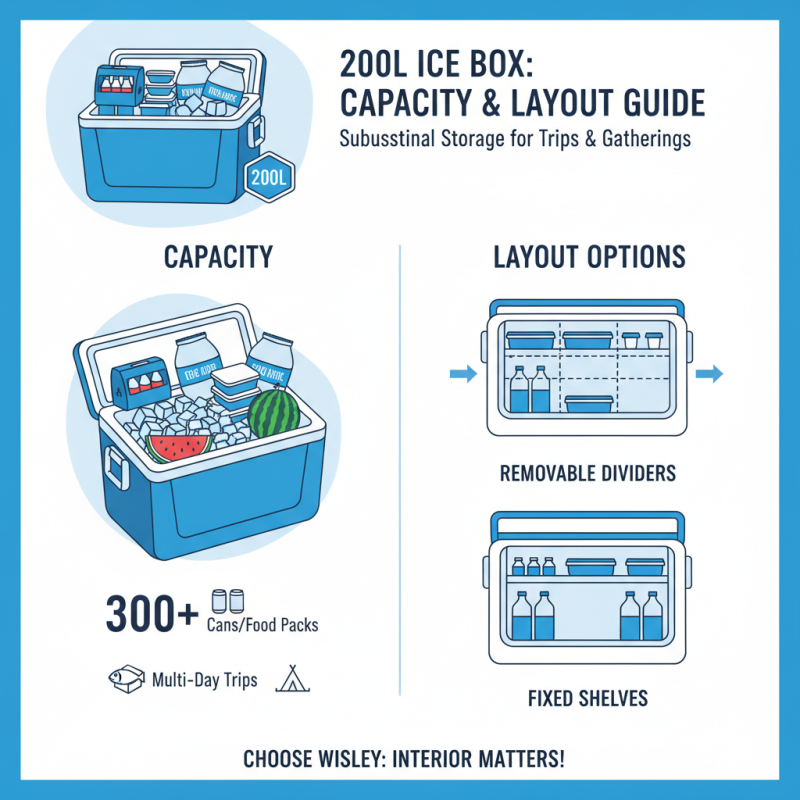
When choosing a 200L ice box, capacity is key. A 200-liter ice box can hold a substantial amount of supplies. It’s perfect for trips or gatherings. However, understanding the actual storage space is crucial. The interior layout can make a big difference. Some models offer removable dividers, while others have fixed shelves. Think about what you’ll store.
Consider your needs and the types of items you plan to keep cold. If you’re bringing drinks, an organized space helps. You might want to focus on a design that maximizes access. A well-planned layout could reduce clutter. If you pack things tightly, finding items can be tricky. Aim for a balance between capacity and usability.
Reflect on the size of your typical outings. If you often travel solo, a large ice box might feel excessive. A smaller size could be more convenient. However, if you frequently host barbecues or road trips, the capacity of a 200L ice box might be just right. Think about these factors. They’ll guide you to the best choice for your adventures.
Material Matters: Analyzing Durability and Weight for Portability
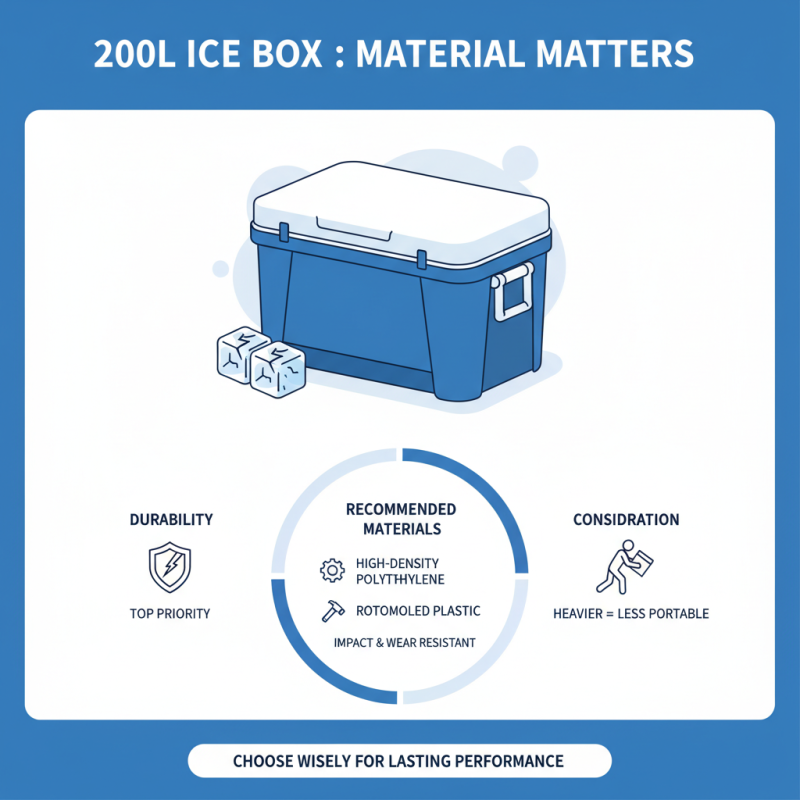
When selecting a 200l ice box, the choice of material is crucial. Durability should be your top priority. A robust ice box can withstand rough handling and extreme weather. Consider materials like high-density polyethylene or rotomolded plastic. They resist impact and wear, ensuring long-lasting performance. However, keep in mind that heavier materials can compromise portability.
Weight is another critical factor. A lightweight ice box is easier to transport. If you plan to carry it frequently, look for options that balance sturdiness with lower weight. Aluminum can be an excellent choice here. It is lightweight yet durable. Find an option that suits your adventure style. Even with durable materials, remember that no ice box is perfect. Some may not seal entirely, leading to ice melting faster. Reflect on your needs carefully; sometimes, you might have to compromise on one aspect to gain another.
Cooler Design Features: Importance of Lids, Handles, and Drainage Systems
When selecting a 200L ice box, the design features are critical. The lid's quality affects insulation. A well-fitted lid keeps the cold air in and the warm air out. If the lid does not seal properly, ice melts faster. Look for options with secure latches or locks. They add to the seal’s integrity.
Handles also matter. A sturdy handle allows easy transport. Consider how often you'll move the cooler. Some designs have folding handles, which save space. Yet, they may not be as durable. You might need to test how they feel when loaded. Not every design will suit your needs perfectly.
Drainage systems can be a game-changer. A good drainage feature allows for easy cleaning and water removal. If the drain is poorly positioned, it can lead to spills and mess. Some ice boxes lack this feature entirely. Think carefully about your intended use and check details. Details can make a significant difference in performance.
Top 10 Tips for Choosing the Best 200l Ice Box
Brand Reputation: Researching Top Manufacturers and Their Performance Metrics
When choosing a 200l ice box, brand reputation plays a significant role. Researching top manufacturers can reveal a lot about their reliability. Look for past performance metrics to gauge how well they hold up over time. Consumer reviews are invaluable. They often highlight both strengths and weaknesses. Pay attention to recurring issues mentioned by users.
Manufacturers' histories provide insight into their commitment to quality. How long have they been in the market? Newer brands might seem appealing, but they lack a performance track record. An established brand usually offers better assurance. However, not all long-standing brands are excellent. Some may fall short in innovation.
Finding the right balance is key. A reputable brand might focus too much on price and forget durability. Collecting data from various sources is essential. Use forums and review sites to compare experiences. A well-rounded view helps in making a more informed decision. Always approach the research with a critical eye.