Top 10 Features of a 300l Ice Box Cooler You Must Know?
When it comes to outdoor adventures, the right gear is essential. An expert in the field, Dr. Sam Dorsey, once stated, "A quality cooler is a game-changer for any expedition." The 300l Ice Box Cooler is a top choice among enthusiasts. Its features can make or break your outdoor experience.
Understanding the importance of a reliable cooler is key. The 300l Ice Box Cooler packs enough space for food and drinks, crucial for long trips. Its durability stands out, ensuring it withstands rough conditions. This cooler is not just about capacity. Its insulation technology is designed to keep things cold for days.
However, not all coolers are perfect. Some users may find the weight a challenge. If you're traveling solo, the size could be overwhelming. Reflecting on these points can help in making an informed choice. Exploring the top features of the 300l Ice Box Cooler reveals how it can enhance your outdoor journeys significantly.
Key Insulation Properties of a 300L Ice Box Cooler
When considering a 300L ice box cooler, insulation properties are crucial. Effective insulation keeps your items cold for an extended period. The materials used can significantly impact performance. Polyurethane foam is often favored for its density and thermal retention. A thicker layer may offer better temperature control, but it also adds weight.
The design plays a key role as well. A tight-sealing lid prevents warm air from entering. Look for models with secure latches. Every bit of air exchange impacts cooling efficiency. Be mindful of the cooler's shape; a taller design may not chill as evenly as a wider one. Air circulation is essential.
Temperature retention isn't everything. Sometimes, coolers struggle with moisture buildup. Users often overlook condensation inside. This can lead to wet items, which is less than ideal. Remember, a cooler's performance varies with environmental conditions. It's a reminder that perfect insulation is a constant challenge in different settings.
Durability and Materials Used in Construction of Ice Box Coolers
When choosing a 300L ice box cooler, durability is key. The materials used in its construction significantly impact its lifespan. High-density polyethylene (HDPE) is a common choice. It's lightweight yet strong, able to withstand rough handling. According to a recent industry report, coolers made from HDPE can last up to 10 years with proper care.
Another crucial material is the insulation layer. Effective insulation keeps contents cold longer. Polyurethane foam is often used, offering low thermal conductivity. This type of insulation can enhance ice retention by 20-30%. However, not all coolers utilize the best insulation, resulting in varying performance. A product that claims superior insulation may not always deliver.
Latches and hinges are often overlooked features. They need to be sturdy, as they endure frequent use. Weak latches can lead to cold air escaping, compromising performance. A good design reflects attention to these small details. Choosing a cooler with robust features helps ensure it meets your expectations. Quality construction impacts not just usability but overall satisfaction in the long run.
Design Features That Enhance Portability and Usability
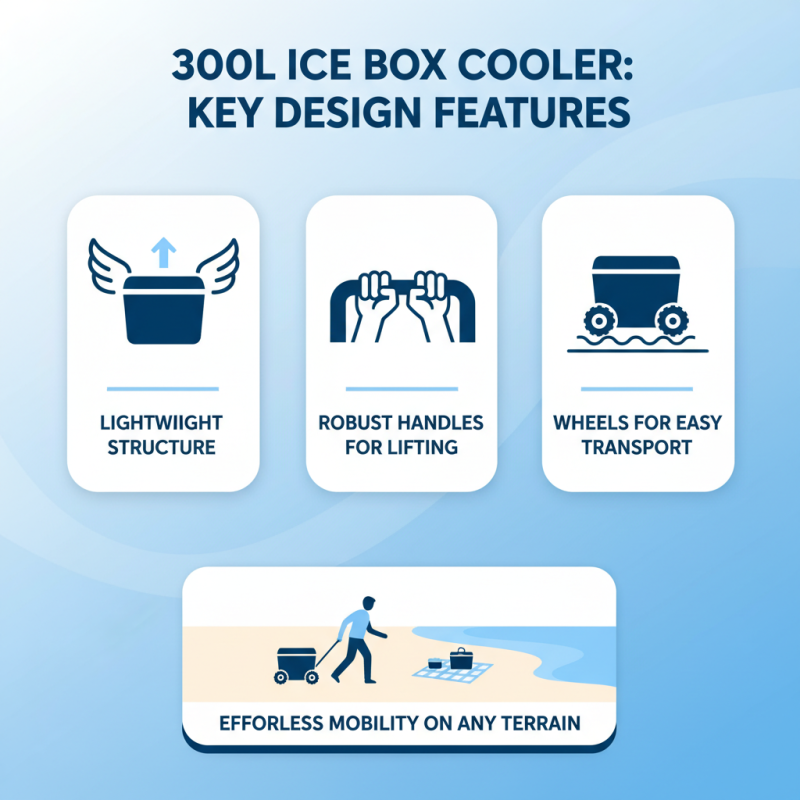
When choosing a 300L ice box cooler, design features play a vital role in portability and usability. A lightweight structure is essential. Ideally, it should have robust handles for easy lifting. Many coolers incorporate wheels for effortless movement across various terrains. Imagine rolling your cooler seamlessly from the car to a picnic spot, rather than struggling to carry it.
Weather resistance is another key factor. A well-designed cooler should withstand harsh outdoor conditions. Look for a durable outer shell that protects against sun and rain. However, some coolers may still fall short in extreme conditions. It’s worth checking user reviews on their performance during unexpected weather changes. Also, easy access to contents is crucial. Look for wide openings and secure latches. This simplicity can save time when serving drinks or snacks at gatherings but can sometimes lead to extra wear and tear on the latches over time.
An ergonomic design can significantly enhance user experience. Grippy surfaces on handles prevent slips, especially when wet. Thoughtful interior organization features can also make a difference. Some coolers come with removable dividers or mesh pockets. These can help keep items easier to find. Yet, if those compartments are not sturdy enough, they may hamper usability. Keep these details in mind when considering your cooler choice.
Advanced Cooling Technology in 300L Ice Box Coolers
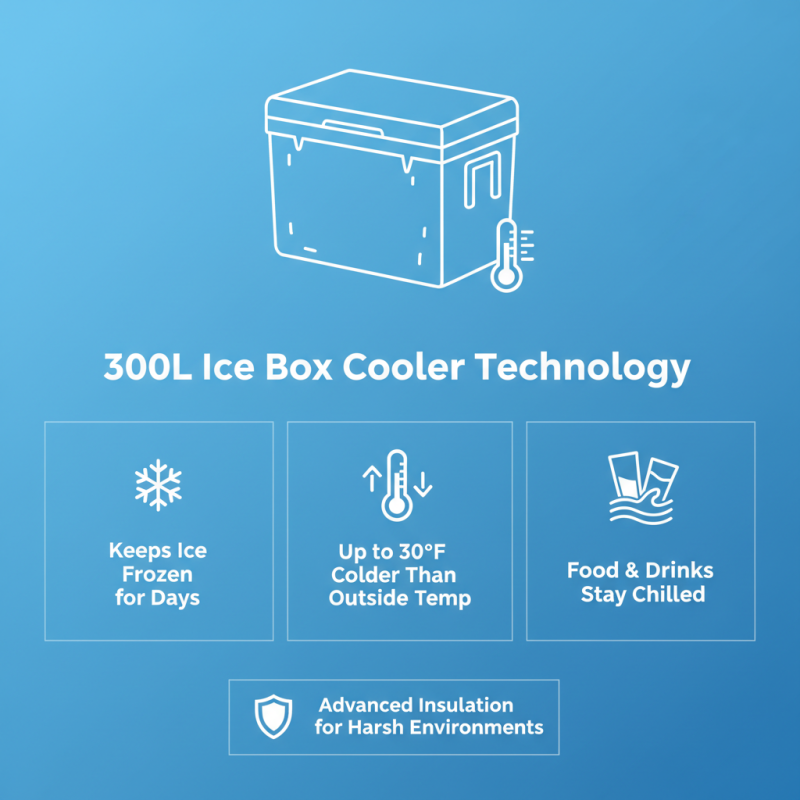
The advanced cooling technology in 300L ice box coolers is truly impressive. With proper insulation, these coolers keep ice frozen for days. A common report indicates that well-insulated coolers can maintain a temperature difference of up to 30°F compared to the outside temperature. This ensures that food and drinks stay chilled, even in harsh environments.
One must consider the materials used as well. High-density polyethylene is frequently seen in these coolers. It enhances durability and resistance to UV rays and impacts. Additionally, some models now include advanced refrigerant solutions. This technology can reduce energy consumption while providing efficient cooling. A report from the Outdoor Industry Association reveals that over 70% of consumers favor energy-efficient products. However, not all 300L coolers utilize such innovation, leading to variability in performance.
Despite these advancements, there are areas for improvement. Many coolers underperform in extreme heat. Users have reported inconsistent ice retention when the temperature exceeds 90°F. This disparity prompts a need for ongoing research and development. Enhancements to insulation technology could yield even better results. Being aware of these issues is essential for making informed choices in the market.
Comparison of Storage Capacity and Organization Solutions
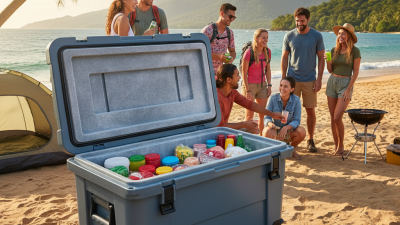
When considering a 300-liter ice box cooler, storage capacity and organization are key features. The spacious interior can hold a substantial amount of food and drinks. However, without effective organization, this space can feel chaotic. Compartmentalization is critical. You might need removable dividers or bins. This helps separate items and keeps everything easily accessible.
A well-organized cooler can save time. Imagine searching for a drink only to find it buried beneath a pile of snacks. Frustrating, right? Utilizing labeling can also enhance organization. A simple sticker can help identify various sections. But remember, not everyone will keep everything tidy. Understanding this can lead to a more realistic approach to organization. Regularly checking and reorganizing is necessary, even though it may feel tedious.
Adjustable shelves or trays are other useful features. These allow customization based on personal preferences. Yet, some users may find them confusing or cumbersome. It’s worth considering what works best for you. A cooler is not just about capacity. It's about how effectively you can utilize that space. Ensuring everything is in its place can greatly enhance your outdoor experience.