Top 10 Camping Cooler Box Refrigerator Options for Your Outdoor Adventures?
When planning an outdoor adventure, choosing the right equipment is crucial. One of the key items is the Camping Cooler Box Refrigerator. This product not only keeps your food fresh but also enhances your overall experience. Expert outdoor enthusiast Jon Hartman once stated, “A reliable cooler makes the difference between a great trip and a mediocre one.”
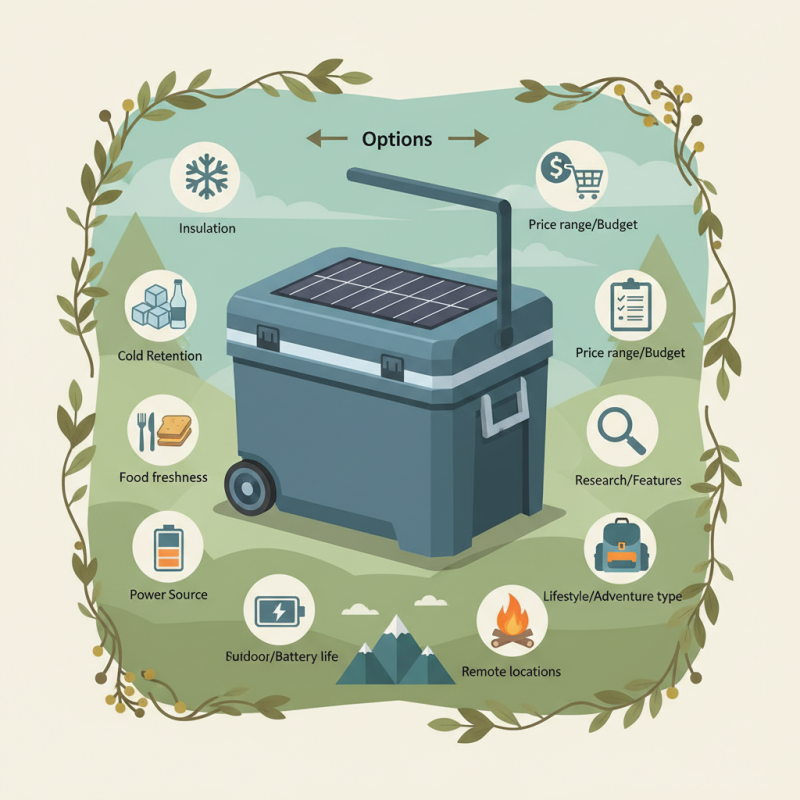
Quality coolers offer more than just insulation. They ensure you have cold drinks and tasty meals even in remote locations. For instance, a well-designed cooler can store ice for days. But not all coolers meet this standard. Some may underperform, leaving you with spoiled food. It's essential to research before purchasing.
The market is flooded with options. You might feel overwhelmed by choices. There are price ranges and features to consider. Not all products suit every adventurer's needs. Reflecting on your requirements will help narrow down your options. A Camping Cooler Box Refrigerator should fit your lifestyle and budget while delivering reliability and performance.
Understanding the Importance of a Good Camping Cooler Box
A good camping cooler box is essential for outdoor adventures. It keeps your food fresh and drinks cold. Imagine a hot day, and you reach for a chilled drink. That refreshing feeling is priceless. A quality cooler helps maintain the temperature of your items. This prevents spoilage and keeps your group satisfied.
Tips: Consider the size of your group. If you have a large party, a bigger cooler is necessary. But for solo trips, a smaller option works. Think about the duration of your trip. If you're away for days, a cooler with better insulation should be your choice. It’s easy to underestimate how quickly items can spoil without proper cooling.
Another point to think about is portability. Some coolers are heavy and hard to carry. Try to find models with wheels or comfortable grips. However, sometimes these features can break, leading to frustrating moments. So, check the durability before buying. Reflect on your needs before making a purchase, as a hasty choice can ruin your trip.
Key Features to Look for in a Camping Cooler Box
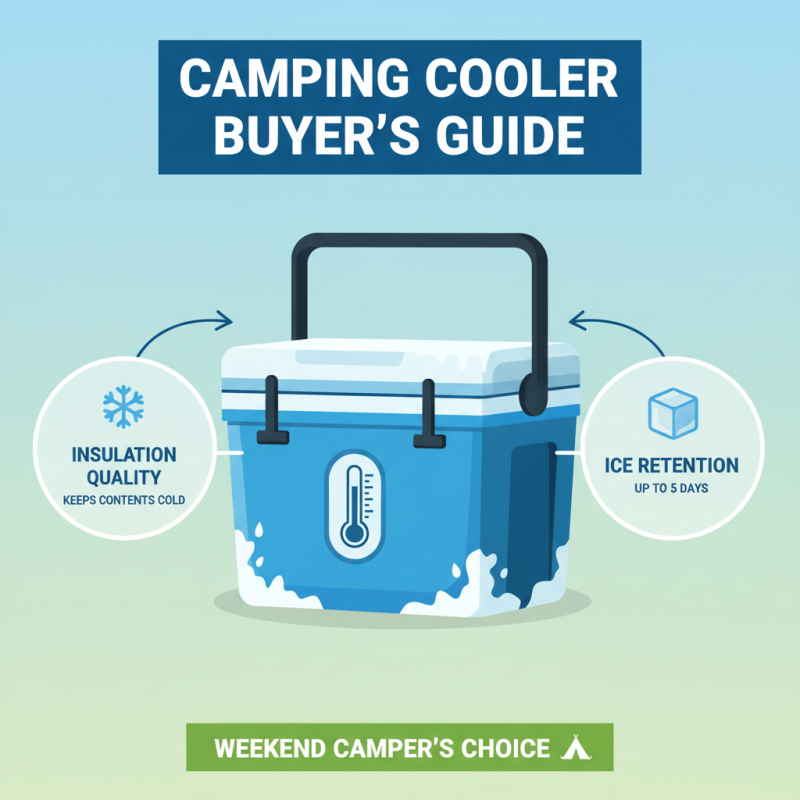
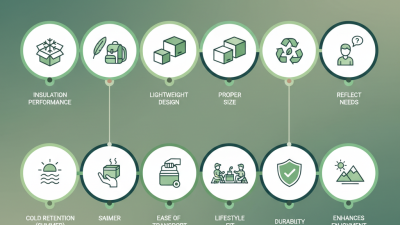
When choosing a camping cooler box, several key features stand out. Insulation plays a vital role. High-quality insulation materials keep contents cold longer. According to industry reports, coolers with two inches of insulation can retain ice for up to five days. This feature is crucial for weekend campers who rely on fresh food.
Portability is another important factor. Look for lightweight models with sturdy handles. Many coolers today weigh less than 10 pounds, making transport easier. Compact designs can fit in car trunks without hassle. Some even come with wheels for added convenience. However, some campers overlook the size requirements. It's essential to choose a cooler that fits your specific needs.
Durability cannot be ignored. High-quality coolers resist impacts and harsh outdoor conditions. They should be able to handle drops without damage. The right materials can withstand extreme temperatures and protect contents inside. Yet, not all brands achieve this. A good cooler may cost more upfront but save money in the long run.
Top 10 Camping Cooler Box Refrigerators: Overview and Comparison
When embarking on outdoor adventures, choosing the right camping cooler box refrigerator is crucial. These coolers vary in size, insulation quality, and ease of transport. Some are lightweight, making them easy to carry, while others prioritize maximum storage. Think about your group size and the length of your trip.
Another important aspect is cooling efficiency. Some refrigerators cool quickly but may drain batteries fast. Others work slowly but provide longer-lasting cold retention. It’s also worth considering how easy it is to clean and maintain these coolers. A model that requires frequent upkeep may not be ideal for long trips.
Keep in mind the balance between features and price. A cooler with advanced features might be tempting, but it could also stretch your budget. Not everyone needs extra compartments or a digital display. A simpler design could work just as well. Selecting the right camping cooler calls for thoughtful reflection on your specific needs.
Evaluating Performance: Keeping Your Food and Drinks Cold
When heading into the wilderness, maintaining the right temperature for perishables is crucial. The ability of a cooler to keep food and drinks cold directly affects your outdoor experience. According to industry reports, a high-performance cooler can maintain temperatures below 40°F for up to 10 days. These coolers often utilize thick insulation and airtight seals to prevent warm air from entering. Nevertheless, some models may fall short, leading to squashed sandwiches or warm sodas.
Effective performance depends on several factors, including how often the cooler is opened. Each time a cooler is opened, warm air enters, disrupting the internal temperature. Experts suggest limiting access to increase efficiency. Additionally, the cooler's material plays a role; rotomolded coolers, for instance, generally outperform traditional ones in durability and temperature retention. However, there are trade-offs. Heavier materials can add strain during transportation, making even short hikes feel longer.
While it’s essential to prioritize insulation and construction, consider size and portability too. Larger coolers can hold more, but may be cumbersome. Many outdoor enthusiasts recommend a balance between capacity and weight. Some coolers may promise extended cooling periods, but factors like climate and exposure to sunlight can significantly influence performance. Ultimately, not every cooler delivers on its promises. Evaluating your own needs is key.
Tips for Proper Usage and Maintenance of Camping Coolers
Camping coolers are essential for outdoor adventures. They help keep food and drinks cold, enhancing your experience. However, using and maintaining them properly is crucial.
One important tip is to pre-chill your cooler. Reports indicate that coolers maintain temperature more effectively when they start cool. Fill it with ice a few hours before your trip. Use block ice instead of ice cubes; block ice lasts longer. Additionally, try to minimize the number of times you open the cooler. Each time the lid opens, cold air escapes, reducing cooling efficiency.
Clean your cooler after every use. This prevents odors and bacteria growth. A simple mixture of warm water and mild soap can work wonders. Avoid harsh chemicals that can damage the interior. Store it in a cool, dry place when not in use. A cooler left in a hot area can degrade its insulation over time.
Remember that keeping a cooler functional requires effort. Not every trip will have perfect conditions. If you notice condensation or ice melting quickly, reassess your process. Small adjustments can yield better results for your future adventures.