
What Is an Outdoor Ice Cooler Box and How Does It Work?
An Outdoor Ice Cooler Box is more than a cold container. It is a portable thermal system for beaches, campsites, boats, sporting events, and emergency food storage. Its walls usually combine tough plastic with polyurethane foam. That foam slows heat transfer. A tight lid reduces warm-air exchange. Ice then absorbs incoming heat as it melts, protecting food and drinks inside.
The market is growing with outdoor participation. The Outdoor Foundation’s 2024 Outdoor Participation Trends Report recorded 175.8 million U.S. outdoor participants in 2023. Grand View Research also identifies rising demand for durable, insulated coolers worldwide. These figures show stronger interest, but they do not guarantee product quality. A larger box may hold more ice, yet it can become heavy, awkward, and difficult to drain. Real life is messier.
Roy Seiders, YETI’s co-founder, described the design ambition simply: “We wanted to build the best cooler possible.” That principle helps explain modern features, including pressure-fitted lids, freezer-grade gaskets, molded handles, and thick insulation. However, performance depends on practical use. Pre-chilling the box, limiting lid openings, and keeping it out of direct sunlight can extend ice retention. Even the best model cannot defeat constant heat exposure. That caveat matters.
This guide examines what an Outdoor Ice Cooler Box is, how it works, and why construction affects cooling performance. It also considers capacity, insulation, drainage, portability, hygiene, and realistic ice-retention claims. Readers should compare controlled test results with everyday experience. A cooler that excels during a shaded weekend may disappoint on a crowded, sunlit beach. There is no perfect choice. Only a suitable one.
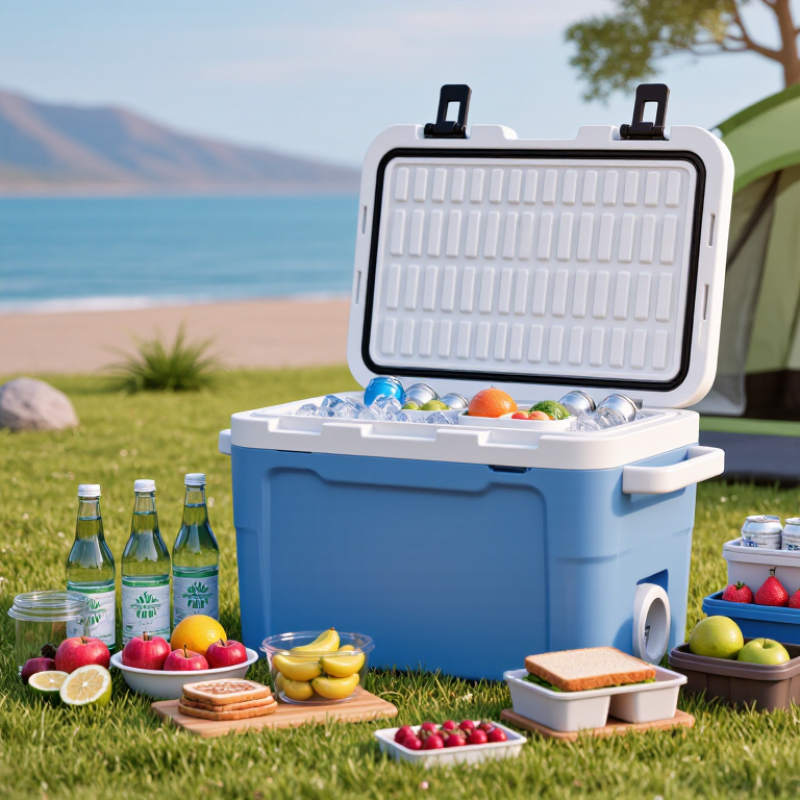
What Is an Outdoor Ice Cooler Box?
What Is an Outdoor Ice Cooler Box and How Does It Work?
An outdoor ice cooler box is an insulated container for keeping food and drinks cold without electricity. It normally has a rigid shell, thick foam insulation, a tight lid, and an interior that resists moisture. Ice absorbs surrounding heat as it melts. Water’s latent heat of fusion is approximately 334 kilojoules per kilogram, according to standard thermodynamic data. The insulation slows heat entering from warm air, sunlight, and hot surfaces. It does not create cold. It preserves it.
In practical use, a full cooler usually performs better than a half-empty one. Cold contents and ice leave fewer air pockets inside. The U.S. Department of Agriculture’s Food Safety and Inspection Service recommends keeping perishable food at 40°F (4°C) or below. It also advises discarding perishables left above safe temperatures for over two hours. A cooler can support this target, but its performance changes with lid opening, ice quantity, and outdoor temperature. I have sometimes trusted a cooler too long. That is a mistake worth remembering.
Tips: Pre-chill the box before packing it. Use sealed containers to prevent meltwater contact. Place ice above delicate food because cold air falls. Keep the cooler shaded, and open it briefly. A simple thermometer offers better evidence than touch. USDA FSIS data is useful here, but real conditions still require judgment.
What Is an Outdoor Ice Cooler Box and How Does It Work?
| Category | Feature or Dimension | Typical Information | How It Works or Why It Matters |
|---|---|---|---|
| Definition | Outdoor ice cooler box | An insulated, portable container designed to keep food and drinks cold without continuous electrical power. | It slows heat transfer from the surrounding environment into the cold interior. |
| Cooling method | Ice or frozen cold packs | Common cooling materials include cubed ice, block ice, reusable gel packs, and frozen water bottles. | The ice absorbs heat as it warms and melts, helping maintain a low internal temperature. |
| Insulation | Foam insulation layer | Rigid plastic coolers commonly use closed-cell foam insulation between the inner and outer walls; soft coolers often use foam sheets. | Foam contains many small air pockets that reduce conductive and convective heat transfer. |
| Outer shell | Rigid or flexible protective body | Rigid models typically use molded plastic, while soft models commonly use coated fabric or synthetic textile materials. | The shell protects the insulation and helps the cooler withstand outdoor handling. |
| Capacity | Small to large storage volume | Portable cooler boxes commonly range from approximately 5 to 100 liters, depending on the design. | Larger capacity provides more storage but usually requires more ice, space, and carrying effort. |
| Temperature range | Cold storage temperature | With sufficient ice and limited opening, the interior can generally remain near or below 4°C for perishable-food storage. | Actual temperature depends on ice quantity, food temperature, ambient heat, sunlight, and how often the lid is opened. |
| Ice retention | Duration of cooling | Basic models may keep contents cold for roughly 1–2 days, while heavily insulated designs can last several days under favorable conditions. | Ice retention is not fixed; shade, a full load, pre-chilling, and fewer lid openings improve performance. |
| Lid and seal | Insulated lid with gasket or zipper | Rigid coolers may use a compression gasket, while soft coolers commonly use a sealed zipper or roll-top closure. | A tight closure reduces warm-air exchange and limits cold-air loss. |
| Drainage | Drain plug or meltwater outlet | Many rigid coolers include a drain opening near the bottom for removing melted ice. | Drainage makes cleaning easier and allows meltwater to be removed without unloading the cooler. |
| Portability | Handles, shoulder straps, or wheels | Transport features vary according to cooler size and intended outdoor use. | Handles and wheels distribute the load, while straps are useful for smaller soft-sided coolers. |
| Best practices | Loading and placement | Pre-chill the cooler and contents, use enough ice, keep the lid closed, avoid direct sunlight, and separate raw food from ready-to-eat items. | These practices reduce heat gain, improve cooling efficiency, and help limit cross-contamination. |
| Common uses | Outdoor food and beverage storage | Typical uses include camping, picnics, fishing, beach trips, road travel, sporting events, and outdoor work. | The cooler provides temporary cold storage where a refrigerator or powered cooling unit is unavailable. |
Note: Cooling performance varies with insulation thickness, ice type and quantity, ambient temperature, sunlight exposure, load arrangement, and frequency of opening.
Related Posts
-
Why Choose a Premium Cooler Box for Your Outdoor Adventures?
-
What Is a Roto Molded Cooler Box?
-
What Is the Best Roto Molded Cooler Box from China?
-
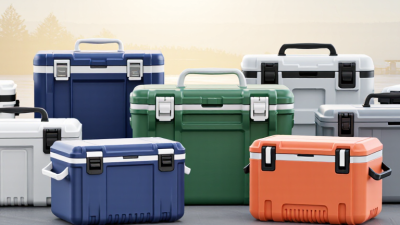
China Top 10 Cooler Box Manufacturers for Global Buyers
-
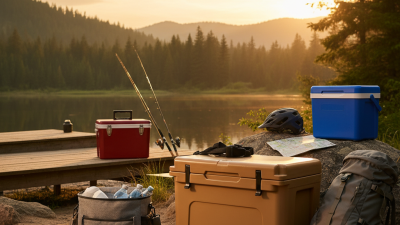
What is a Cooler Box? Ultimate Guide to Choosing the Right One for You
-
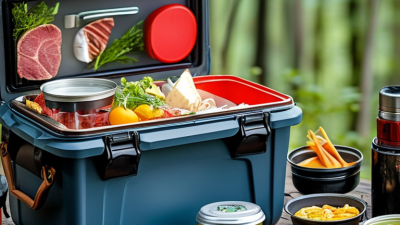
Best Cooler Box for Every Adventure in 2026?