What is an Ice Box Cooler and How Does It Work?
An Ice Box Cooler is a handy device designed to keep your food and drinks cold. It works by utilizing insulating materials. This helps to maintain a low temperature for longer periods. You might wonder how it manages to do this so effectively.
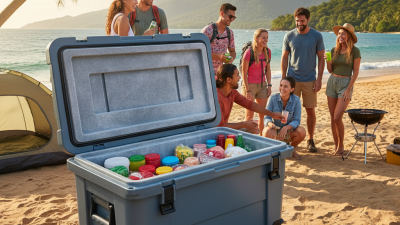
The Ice Box Cooler typically has thick walls filled with air or foam. This construction minimizes heat transfer from the outside. Many people use these coolers for picnics, camping trips, or beach outings. They rely on these coolers for fresh snacks and drinks. However, some may forget to add enough ice, leading to disappointment.
Despite its convenience, an Ice Box Cooler has limitations. Over time, ice can melt faster than expected. You may find the ice lasting only a few hours in hot weather. Reflecting on your cooler usage can lead to better planning. Choosing the right size and type enhances your experience with this essential outdoor gear.
What Is an Ice Box Cooler?
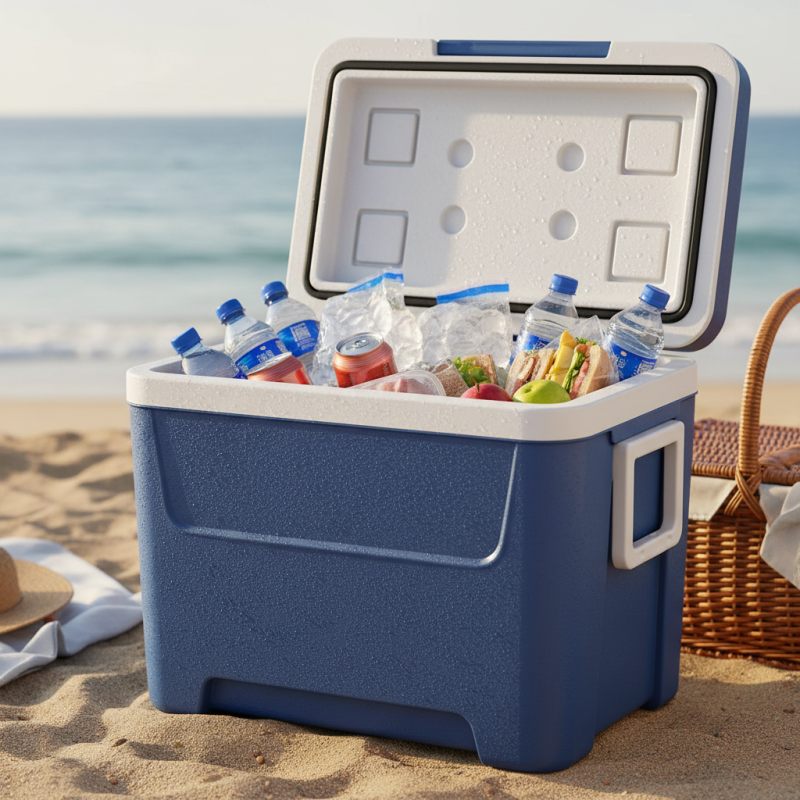
An ice box cooler is a portable storage solution for keeping perishable items cold. Typically, it is constructed from insulated materials that trap cold air. This design minimizes heat transfer, making it effective for various outdoor activities. Many people use them for picnics, camping trips, or beach outings. According to industry reports, around 47% of outdoor enthusiasts own such coolers.
The working principle of an ice box cooler is simple yet effective. Users fill the cooler with ice or ice packs. The insulation slows down heat absorption, maintaining a low temperature for extended periods. A study showed that the average cooler can keep contents cold for up to three days, depending on external conditions. However, users often overlook the importance of pre-cooling items before placing them inside. Pre-cooling can improve performance significantly.
Despite their benefits, ice box coolers are not perfect. Users may experience melting ice too soon, especially in hot weather. The efficiency can also be affected by frequent opening. A survey indicated that 30% of users are dissatisfied with how long their coolers keep contents cold. Users must reflect on their usage habits to maximize the cooler’s potential.
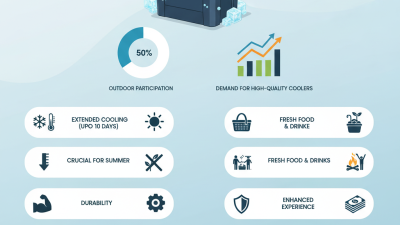
Ice Box Cooler Efficiency Comparison
The History and Evolution of Ice Box Coolers
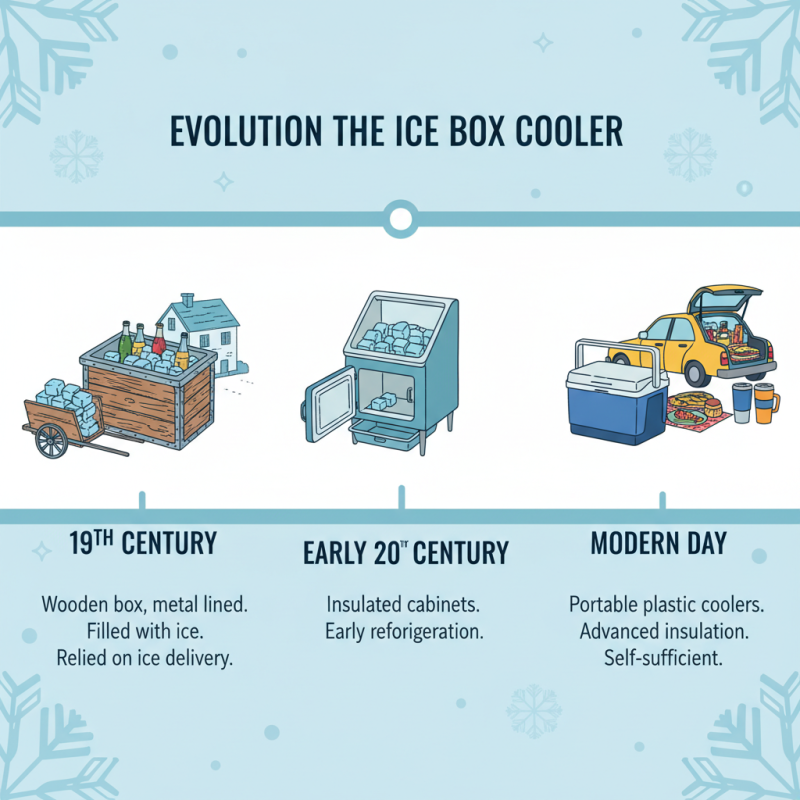
The ice box cooler has a rich history that dates back to the 19th century. Originally, these coolers were simple wooden boxes lined with metal. They were often filled with ice to keep food and drinks cold. At that time, ice delivery was a service. People relied on regular deliveries to maintain their coolers.
As refrigeration technology evolved, so did ice box coolers. By the mid-20th century, they began incorporating insulation materials. Foam insulation became popular, enhancing their ability to retain cold temperatures. These innovations made it easier for families to enjoy picnics and outdoor adventures. Yet, not every design was perfect. Many coolers struggled with durability. Users often faced leaks and wear over time.
Today, ice box coolers have evolved even further. They are now made from robust materials and feature improved seals. Users appreciate these advancements, but some models remain cumbersome. The balance between portability and performance is still a challenge. The evolution of ice box coolers is a testament to human ingenuity, but there’s always room for improvement.
How Does an Ice Box Cooler Work?
An ice box cooler works on a simple principle: insulation. It retains cold temperatures while keeping heat out. Typically made of thick, durable materials, these coolers trap cold air inside. A well-designed cooler can maintain temperatures for days. According to a report by the American Society of Refrigeration and Air Conditioning Engineers, a cooler can reduce temperature fluctuations significantly with proper use.
Understanding how an ice box cooler functions is key to maximizing its benefits. The insulating properties create a barrier, holding ice that cools its contents. However, factors like outside temperature and duration of exposure can affect performance. If the cooler is left in direct sunlight, ice melts faster.
Tips:
- Keep the cooler in shaded areas to prolong ice retention.
- Use ice packs alongside ice cubes; they cool better for longer periods.
- Avoid opening the cooler frequently, as this lets warm air in.
While ice box coolers serve their purpose, they are not always perfect. Overpacking can restrict airflow and lead to uneven cooling. Next time you rely on one, consider these improvements.
Key Features and Benefits of Using an Ice Box Cooler
Ice box coolers are essential for outdoor activities. They retain ice for extended periods. A study by the Outdoor Industry Association indicates that nearly 60% of outdoor enthusiasts use coolers while camping or tailgating. This popularity highlights their significance.
The key features of ice box coolers often include robust insulation. Many models have thick walls that minimize heat transfer. They also feature airtight seals, preventing warm air from entering. However, not all coolers perform equally. Some may not meet expectations in extreme heat. According to ThermoKing research, the cooling efficiency can drop by 30% if a cooler is exposed to direct sunlight.
The benefits are apparent. They keep beverages cold and food fresh. This can enhance the enjoyment of outings. One user noted that their cooler kept ice intact for three days during a summer festival. However, portability can be a challenge. Heavy models are cumbersome to carry. Oddly enough, some users may find them difficult to clean, leading to lingering odors. Despite these drawbacks, ice box coolers remain a vital tool for any adventure.
Tips for Maximizing Efficiency and Longevity of Ice Box Coolers
To maximize the efficiency and longevity of your ice box cooler, it's crucial to understand how it operates. Ice box coolers are designed to keep items cold by insulating them from external heat. To make the most of this insulation, always pre-chill your cooler. Add ice packs or ice cubes before placing your items inside. This simple step can significantly lower the internal temperature.
Keep your cooler out of direct sunlight. If possible, place it in a shaded area. Sunlight can warm the exterior, making it harder for the cooler to maintain low temperatures. Regularly check the ice level. If it’s low, add more ice to sustain the desired chill. Using block ice can be more effective than loose ice because it melts slower.
Avoid overpacking your cooler. Too many items may limit airflow and cause uneven cooling. Sometimes, I’ve seen people load their cooler without considering this. As a result, some items remain warm. When organizing, leave spaces for air circulation. It’s a small adjustment that can make a big difference. Lastly, clean your cooler after each use. Residual food and liquids can lead to odors and mold.
What is an Ice Box Cooler and How Does It Work? - Tips for Maximizing Efficiency and Longevity of Ice Box Coolers
| Feature |
Description |
Efficiency Tips |
Longevity Tips |
| Insulation |
Thick foam insulation helps maintain temperature. |
Pre-cool your cooler and contents before a trip. |
Clean the interior regularly to prevent odors. |
| Seal |
Rubber gaskets create an airtight seal. |
Ensure the lid closes completely each time. |
Inspect and replace any worn gaskets promptly. |
| Drainage |
Integrated drain plugs make for easy emptying. |
Empty any melted ice for better efficiency. |
Store in a cool, dry place when not in use. |
| Durability |
Rugged materials withstand damage during transport. |
Use a protective cover for outdoor storage. |
Avoid dropping or knocking the cooler to reduce wear. |
| Size |
Available in various capacities for different needs. |
Choose the right size for your outing to minimize air space. |
Avoid overloading to maintain structural integrity. |