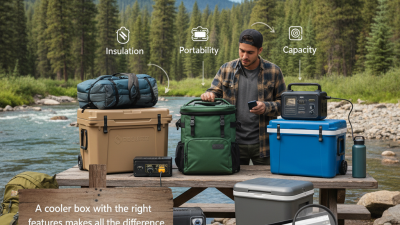
2026 How to Choose the Best Ice Cream Cooler Box for Your Needs?
Choosing the right Ice Cream Cooler Box can significantly enhance your experience, whether you are camping, hosting a party, or simply enjoying a day out. Industry expert Dr. Emily Peterson, a renowned authority in food safety and storage, emphasizes, “The right cooler can keep ice cream at the perfect temperature for hours.” Her expertise highlights the importance of selecting a cooler that meets your specific needs.
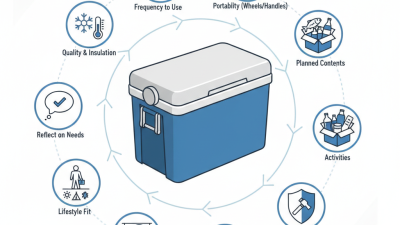
When considering an Ice Cream Cooler Box, think about insulation quality, size, and ease of transport. Too many options can be overwhelming. Many boxes promise to keep contents frozen for days, but not all deliver. It’s important to reflect on the real-world performance of these coolers.
Additionally, consider the materials used in construction. Some coolers are designed for heavy-duty use, while others are lightweight for easy carrying. Each option has its pros and cons. Balancing efficiency with practicality often leads to tricky decisions. Don’t rush this choice; what works for one situation may not work for another.
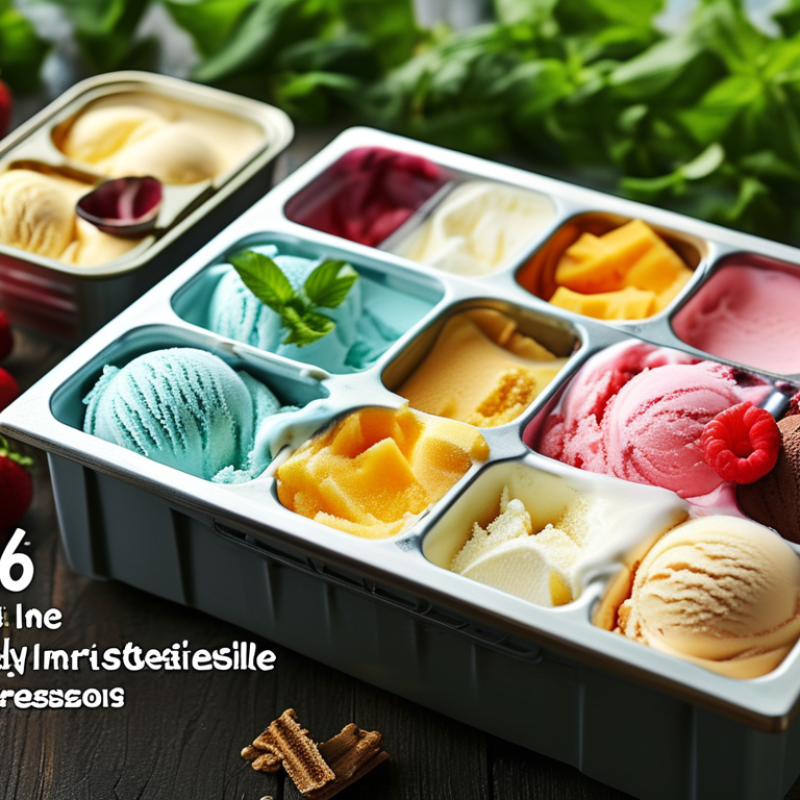
Understanding the Different Types of Ice Cream Cooler Boxes
Choosing the right ice cream cooler box can be overwhelming. There are various types to consider. Each type serves a distinct purpose and comes with unique features.
One popular option is the insulated cooler box. These are designed to maintain low temperatures for extended periods. They often feature thick walls and high-quality insulation. This type is ideal for outdoor gatherings or long trips. However, it can be heavy, making it less portable. Consider your transportation needs carefully.
Another option is the compact cooler box. These are lightweight and easy to carry. Perfect for day trips or small events, they offer convenience. However, their capacity is limited. Being practical in your choice is essential. Balancing size and functionality can make a significant difference. Ultimately, knowing your specific needs will guide your decision.
Key Features to Consider When Choosing an Ice Cream Cooler Box
When selecting the perfect ice cream cooler box, several key features play a crucial role.
Insulation quality is paramount. High-performance insulation ensures that ice cream remains frozen longer, even in warm temperatures. According to the Ice Cream Association, a good cooler should maintain temperatures below -20°F for several hours.
Another aspect to consider is size. Think about your typical outings. A 20-quart cooler may suffice for small gatherings, while larger events might require a 50-quart box. Compact and portable designs are important too, especially for outdoor activities. They should fit easily in a car trunk or be lightweight enough to carry.
Material matters as well. Durable, waterproof exteriors can withstand rough handling and varying weather. Some coolers even feature UV-resistant materials, enhancing their lifespan.
Don't overlook the ease of use. Features like sturdy handles and built-in wheels can simplify transport. A common oversight is not checking for secure lids; they prevent melting and messy spills.
Always examine these details for a more effective choice.
Assessing Capacity and Portability of Ice Cream Cooler Boxes
When selecting an ice cream cooler box, capacity and portability are essential factors to consider. Your capacity needs will depend on your usual gatherings and storage. A box that holds enough for a family barbecue might not fit well for a camping trip. Think about how much ice cream you typically serve and choose a size that meets those needs.
Portability is key for those on the go. Look for lighter models with comfortable handles. Consider how far you will carry the cooler. Some boxes may be compact but awkward to transport. If you tend to travel longer distances, a more robust yet manageable design will serve you better.
**Tips:** Always check the weight before purchase. Test how it feels when loaded. Think about where you will store it when not in use. A box that is too large can be cumbersome even when empty. Keep in mind that ensuring easy access will enhance your experience with the cooler.
Evaluating Insulation and Temperature Retention in Coolers
When choosing an ice cream cooler, insulation quality is crucial. Effective insulation keeps your ice cream frozen longer. Look for models with thick walls and high-density foam. This material slows down heat transfer. The better the insulation, the better the temperature retention.
Temperature retention varies among coolers. Some coolers may only keep ice for a day. Others manage to maintain low temperatures for days on end. It’s important to research different products. User reviews can provide insights into real performance. These reviews often highlight strengths and weaknesses based on real-life usage.
Not every cooler performs as advertised. Some users find that their ice cream melts faster than expected. This could be due to external temperatures or cooler design flaws. It’s essential to test coolers to see how they meet your specific needs. Checking ratings and recommendations can mitigate these potential pitfalls.
2026 How to Choose the Best Ice Cream Cooler Box for Your Needs?
| Cooler Model |
Insulation Type |
Temperature Retention (Hours) |
Capacity (Liters) |
Weight (kg) |
Price ($) |
| Model A |
Foam Insulation |
24 |
30 |
3.5 |
99 |
| Model B |
Polyurethane Insulation |
36 |
50 |
5.0 |
149 |
| Model C |
EVA Foam |
20 |
25 |
2.8 |
75 |
| Model D |
Expanded Polystyrene |
48 |
70 |
7.0 |
199 |
Pricing and Brand Selection: Finding the Right Ice Cream Cooler Box
When selecting an ice cream cooler box, pricing and brand play a significant role. Higher-priced boxes often have better insulation and durability. However, this doesn’t always guarantee quality. Brands vary in reputation, and new companies might offer competitive features at lower prices.
Consider your budget carefully. Don’t just go for what’s popular. Instead, assess what features you need. For a casual user, an affordable option may suffice. However, if you frequently transport ice cream, invest in a high-end cooler. Look for boxes that promise long-lasting cold retention.
Tips: Research product reviews online. Verify customer experiences to gauge reliability. Ask friends or family about their choices. Solid recommendations often lead to reliable purchases. Experimentation is key. Buying from multiple brands can reveal what really works for you.
Ice Cream Cooler Box Price Comparison