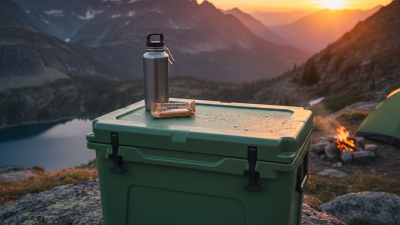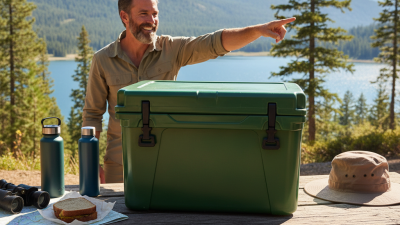
A Big Ice Box is more than a large container filled with ice. It is a portable thermal system designed to slow heat movement and protect food, drinks, or temperature-sensitive supplies. Its performance depends on several connected parts. Thick insulated walls reduce heat transfer. A tight lid limits warm air exchange. A durable gasket helps close small gaps. Ice then absorbs incoming heat as it gradually melts.
Cooler designer and YETI co-founder Roy Seiders captured this practical idea in a frequently cited line: “We wanted to build the cooler we’d use every day.” That principle explains why a reliable Big Ice Box must balance insulation, capacity, strength, and everyday handling. A box may hold more than 100 quarts, but poor organization can waste that space. Warm drinks placed beside frequently opened items will lose their chill faster. A simple divider can make a surprising difference.
The operating process is straightforward, but not effortless. Pre-chilling the interior improves initial performance. Adding cold contents reduces the ice burden. Keeping the lid closed preserves the internal temperature. Direct sunlight can still weaken results, even with excellent insulation. That detail is easy to overlook.
Real conditions are less perfect. Ice quality, outdoor temperature, drainage, and opening frequency all change performance. Some product claims also assume ideal testing environments. A careful buyer should compare usable capacity, seal quality, insulation thickness, cleaning access, and warranty terms. This article examines how a Big Ice Box works, where its efficiency comes from, and which design features matter during camping trips, fishing days, events, and extended outdoor storage.
Defining 50–100-Quart High-Capacity Coolers
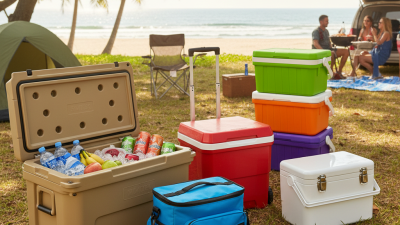
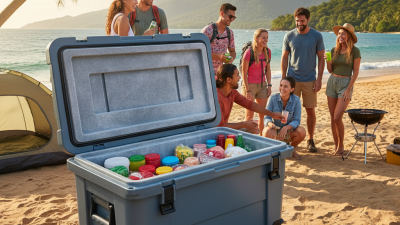
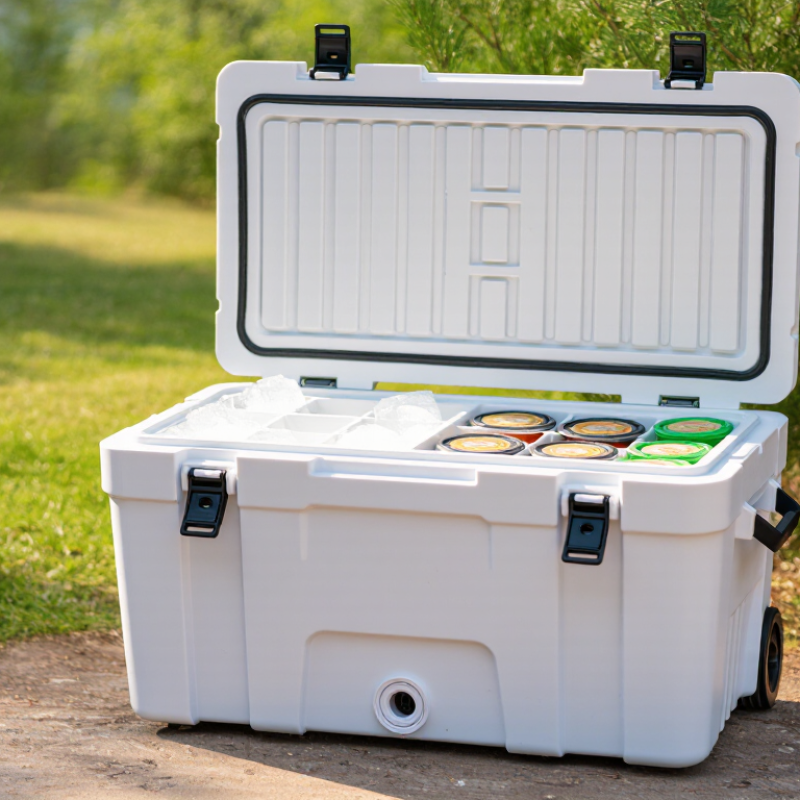
A big ice box usually refers to a high-capacity cooler holding 50 to 100 quarts, or about 47 to 95 liters. It can store drinks, meal containers, fresh ingredients, and ice for group trips. A 50-quart model suits a small gathering, while a 100-quart model handles larger outdoor events. Capacity claims can confuse. The stated volume describes the empty interior, not the usable space after adding ice and containers.
These coolers work through thick insulation, a tight-fitting lid, and reduced air exchange. Ice absorbs heat from the interior as it melts, while insulation slows heat movement from outside. A shaded position improves performance. Direct sunlight can warm the outer shell quickly. In my experience, organized packing matters almost as much as cooler size. Cold items should go in first, with ice filling gaps around them. A simple thermometer provides more reliable information than guessing by touch. Aim to keep perishable food at or below 40°F (4°C).
Tips:
Pre-chill the cooler and its contents before leaving. Use block ice for longer cooling and smaller ice pieces for faster contact. Keep the lid closed. Drain meltwater only when necessary, because cold water can still help maintain a low temperature. Check the hinges, seal, drain plug, and handles before carrying a fully loaded box. Large coolers become surprisingly heavy.
A big ice box uses thick foam insulation to slow heat transfer. Its walls commonly measure 2–3 inches, or 5–8 centimeters, thick. That thickness creates a longer path for heat moving from warm air outside to cold contents inside. Foam traps many tiny pockets of still air, reducing conduction and limiting internal air movement. However, insulation does not stop heat completely.
In practical use, a closed lid matters as much as wall thickness. Every opening lets warm air enter and cold air escape. A tight gasket can reduce this exchange, while direct sunlight can quickly warm the outer shell. Pre-chilling the container and its contents also helps. Cold food uses less ice during the first few hours. Loose ice fills small gaps, but frozen packs may keep surfaces cleaner and easier to organize.
The performance depends on foam density, lid design, drain fittings, and how full the box is. Two containers with equal insulation thickness may hold ice for different periods. That detail is easy to overlook. I would not treat a stated cooling time as a guarantee, because outdoor temperature, wind, shade, and opening frequency change the result. A simple test works well: place a thermometer inside, record the starting temperature, and check it after several hours. Big does not always mean better. Empty air space can warm faster than a tightly packed load.
What Is a Big Ice Box and How Does It Work?
How Ice Absorbs Heat Through Its 334 kJ/kg Latent Heat
A big ice box slows heat transfer with thick insulation, a tight lid, and cold ice inside. Heat still enters through the walls, lid gaps, food, and frequent opening. The box does not create cold. It only delays warming.
Ice has an important thermal advantage. One kilogram of ice at 0°C can absorb about 334 kilojoules while melting. This energy is called latent heat. During melting, the ice can remain near 0°C instead of rapidly becoming warmer water. For example, a steady heat leak of 10 watts adds 864 kilojoules in one day. In ideal conditions, two kilograms of ice could absorb that energy.
Real conditions are less perfect. Warm drinks, sunlight, and repeated lid openings add extra heat. I once estimated cooling time from ice weight alone, but the result was too optimistic. The insulation quality mattered more than expected. A thermometer placed near the stored items gives better evidence than touching the lid.
Meltwater also deserves attention. It may stay cold, but it no longer offers the same melting capacity as solid ice. Draining it can reduce contact with warmer surfaces, although the best choice depends on the box design and contents. A practical test uses the same load, opening schedule, and starting temperature each time. Small measurements reveal where heat is entering.
What Is a Big Ice Box and How Does It Work?
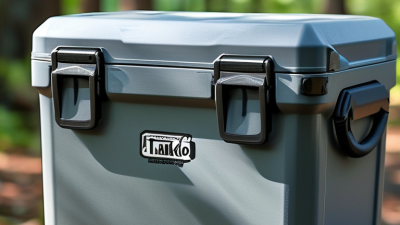
A big ice box is an insulated container designed to hold food, drinks, or medical supplies at low temperatures. Its performance depends on more than thick walls. The lid, gasket, hinges, and drain must work together. A flexible gasket seals the gap around the lid. This limits warm air entry and slows cold air loss. Even a small crease can reduce cooling efficiency. I once noticed faster melting after a gasket became stiff, although the insulation still looked excellent.
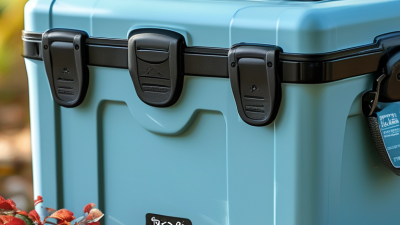
Strong hinges help the lid close evenly. Uneven pressure can leave tiny openings along one edge. Hinges also reduce lid movement during transport. The drain has a different purpose. It releases melted ice and cleaning water without requiring the box to be tipped. A raised interior floor can keep food above collected water. However, an open drain plug can leak cold air and water. That detail is easy to overlook.
Tips: Check the gasket before each long trip. Wipe away crumbs and moisture. Close the lid gently, then inspect all edges. Keep the drain plug fully sealed during cooling. Pre-chilling the box and its contents can also reduce ice use. Still, these steps are not perfect. Frequent opening will warm the interior, even with excellent seals.
Typical thermal conductivity of materials used in insulation, gaskets, hinges, and drains
Lower thermal conductivity generally means less heat transfer through the material. Closed-cell foam insulation provides the main thermal barrier, while an elastomeric gasket limits warm-air leakage around the lid. Metal hinges and drain fittings can conduct heat more easily, so minimizing their exposed area and using tight seals helps preserve ice life. Values shown are typical reference values and vary by material grade, density, and temperature.
A big ice box is an insulated container designed to slow heat transfer. Its walls reduce warm air movement, while ice absorbs heat as it melts. The goal is simple: keep perishable food at or below the FDA’s 41°F (5°C) safety limit. Size helps, but size alone does not guarantee safe storage.
Pre-chill the box before loading it. Use frozen packs or clean, bagged ice around the food, especially near the top. Cold air falls, while warm air rises. Keep the lid closed and place the box away from sunlight, hot vehicle interiors, and wet ground. A small refrigerator thermometer gives better evidence than touch. Check the temperature after packing and during long trips. Ice looks convincing. It can still hide warm food.
Keep raw meat sealed and separate from ready-to-eat items. Store drinks in another container if possible, because frequent opening adds heat. Drain meltwater only when necessary, since cold water can still help maintain low temperatures. I once trusted a thick layer of ice without checking the center. That was a poor assumption. The outside felt cold, but the thermometer showed a warmer zone inside. Pack tightly, but leave no leaking containers. Replace ice when the temperature rises above 41°F (5°C), and discard perishable food if safe cold holding cannot be confirmed. Temperature records may feel excessive, yet they reveal problems that appearance misses.
| Data Dimension | Typical or Recommended Value | How It Affects Temperature Control |
|---|---|---|
| Definition | A large insulated container used to store food, beverages, ice, or temperature-sensitive supplies. | Insulation slows heat entering the container, while ice absorbs heat as it melts. |
| Food-safety temperature limit | Keep perishable food at or below 41°F (5°C). | Measure the food or its surrounding air with a calibrated thermometer; a cool-feeling container is not proof of safe temperature. |
| Cooling mechanism | Conductive and convective heat transfer from contents to ice or frozen packs. | Ice remains near its melting point while absorbing heat, helping maintain a cold interior when the lid stays closed. |
| Common capacity range | Approximately 40–150 quarts (38–142 liters) for a large ice box. | A larger volume can hold more food and ice, but it also needs adequate ice and sufficient cooling time before use. |
| Insulation thickness | About 1–3 inches (2.5–7.6 cm) of rigid foam or equivalent insulation is common in high-performance designs. | Thicker and more continuous insulation generally reduces heat gain, especially through the walls, lid, and base. |
| Ice-to-food planning ratio | Use roughly 1 pound of ice for every 1 pound of perishable food as a practical starting point. | Hot weather, frequent opening, warm contents, and long storage periods require more ice than this basic ratio. |
| Ice condition | Use solidly frozen ice or frozen packs; crushed ice cools quickly but usually melts faster. | Large blocks last longer, while smaller pieces fill gaps and improve contact with packaged food. |
| Pre-chilling time | Pre-chill the empty ice box for about 30–60 minutes, then load cold food and ice. | Pre-chilling reduces the initial heat load and preserves more ice for maintaining the target temperature. |
| Loading arrangement | Place ice above, below, and around food; keep raw meat sealed and separated from ready-to-eat items. | Cold air and meltwater can surround the packages more effectively, while sealed packaging reduces cross-contamination. |
| Empty-space management | Minimize unused air space with additional ice or sealed cold packs. | Less warm air is available to circulate when the lid is opened, slowing temperature rise. |
| Temperature monitoring | Check with a food thermometer at loading and periodically during storage; target 41°F (5°C) or colder. | A thermometer provides measurable evidence that the food remains within the safety limit. |
| Opening frequency | Open only when necessary and close the lid immediately after each use. | Every opening allows warm ambient air to enter and accelerates ice melt. |
| Meltwater handling | Keep food packages sealed; drain meltwater only when necessary and replace it with fresh ice. | Meltwater is cold, but contaminated packages can spread bacteria through shared water. |
| Expected holding time | Often about 1–3 days with adequate ice, depending on insulation, weather, loading, and opening frequency. | This is not a guarantee; discard or rapidly re-chill food if its temperature exceeds the applicable safety limit. |
| Outdoor heat exposure | Keep the ice box shaded and off hot ground; ambient temperatures above 90°F (32°C) require extra caution. | Direct sunlight and hot surfaces increase heat gain and shorten the time ice can maintain safe temperatures. |
Practical rule: keep the lid closed, use enough ice, load only pre-chilled food, and verify the contents remain at or below 41°F (5°C) with a thermometer.