Essential Tips for Choosing the Perfect Portable Ice Box for Your Needs
Selecting the right portable ice box can be a daunting task. These versatile products play a crucial role in outdoor adventures and everyday outings alike. The perfect ice box should effectively keep your food and drinks cool while being easy to transport. However, not all options deliver the same performance or convenience.
When choosing a portable ice box, consider factors such as size, insulation, and durability. A larger ice box may not be the best choice if you have limited space. On the other hand, smaller models might not accommodate your needs for longer trips. Pay attention to the insulation quality—thicker walls often mean better temperature retention.
Don't overlook the design, either. A heavy ice box can be difficult to carry, especially over uneven terrain. While you want something sturdy, it should also be manageable. Reflect on your previous experiences with ice boxes; some may have disappointed you in ways you didn’t anticipate. Ensure your next choice truly meets your requirements, so you’re prepared for any adventure that lies ahead.
Understanding Your Needs for a Portable Ice Box
When selecting a portable ice box, understanding your needs is critical. Consider your intended use. Are you going camping, fishing, or hosting a backyard barbecue? Research shows that nearly 80% of outdoor enthusiasts prioritize portability when choosing an ice box. Weight, size, and ease of transport play significant roles. A lighter model may be more convenient, but it might not retain ice as long as heavier options do.
Evaluate storage capacity. Will you need it for drinks, food, or both? Data indicates that a 48-quart ice box can hold around 50 cans, but this varies. It’s essential to think about how often you will refill it. If you're on a long trip, space is crucial. Small ice boxes may struggle to meet your volume needs. A balance between size and insulation effectiveness is vital.
Lastly, consider your budget. High-end models boast impressive features, yet some may not be necessary for casual use. Research shows that 40% of consumers regret overspending on high-capacity features they rarely use. Reflect on what you truly need versus what seems appealing. This honest assessment can lead to wiser decisions. Making a choice isn't just about features; it’s about aligning your purchase with your actual usage.
Types of Portable Ice Boxes and Their Features
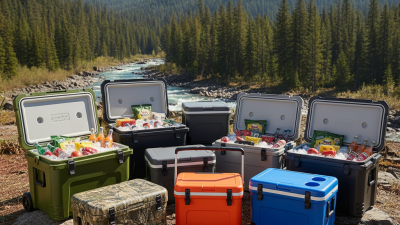
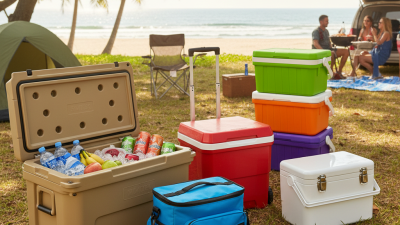
When selecting a portable ice box, understanding the types available is crucial. There are primarily three categories: hard-sided, soft-sided, and hybrid models. Hard-sided coolers offer durability and superior insulation. They work well for long trips. Research shows that these models maintain ice for up to seven days in ideal conditions, making them popular among campers and tailgaters.
Soft-sided ice boxes are lightweight and easy to carry. They often feature removable liners for simple cleaning. While they may not keep ice as long, they are excellent for short outings. A study indicated that soft-sided coolers can retain ice for nearly three days, making them ideal for picnic-goers or beach lovers.
Hybrid coolers blend features from both the hard and soft models. These offer versatility and can perform well in various conditions. However, the performance can be inconsistent. Some users report issues with leakage or inadequate insulation. It's wise to weigh these factors against your needs. Choosing the right type can significantly impact your outdoor experience.
Key Factors to Consider When Selecting an Ice Box
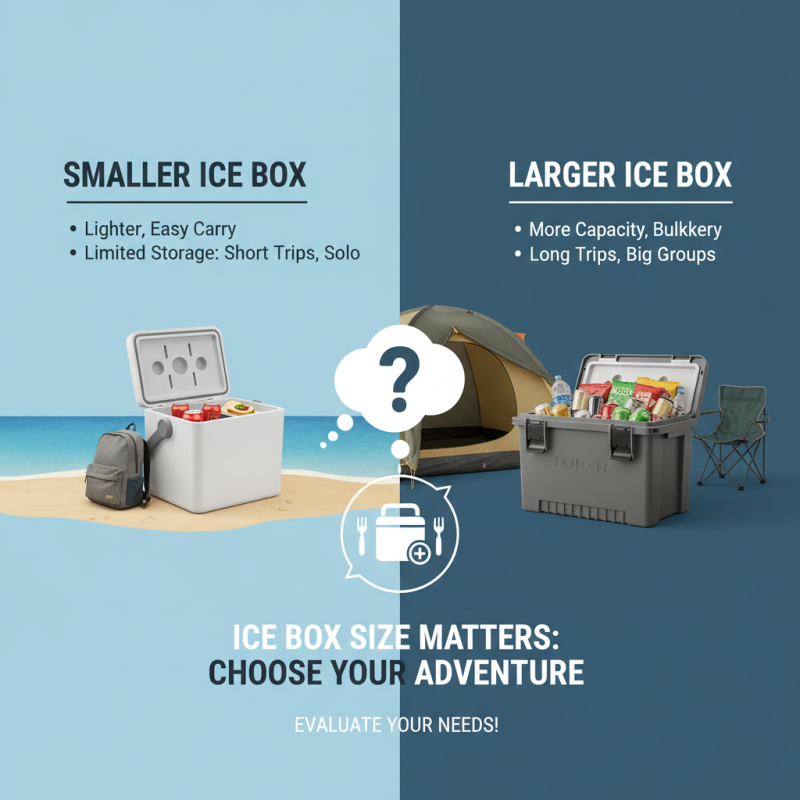
When selecting a portable ice box, size is a critical consideration. A smaller box may be lighter and easier to carry, but it could limit your storage capacity. If you're planning a long trip or a big event, a larger ice box might be necessary. It’s essential to evaluate how much space you’ll need for food and drinks. Visualize your outings. Picture the cooler filled with ice, beverages, and snacks. Will it hold everything you want?
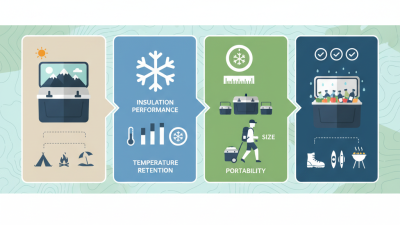
Insulation quality is another vital factor. Poor insulation can lead to melting ice and spoiled food. High-quality materials can keep your items cold for days. Sometimes, it’s hard to tell just by looking. Read reviews and research before purchasing. Additionally, think about the design and portability. Does it have sturdy handles? Are there wheels? Make sure it fits comfortably in your vehicle and is easy to transport.
Lastly, consider the price. A low-cost ice box may save money upfront but could lack durability. We often overlook these details, focusing solely on aesthetics. Reflect on your actual needs versus wants. Be realistic about how you will use it. This thoughtful approach can lead to a better choice, avoiding future regrets about your decision.
Maintenance and Care Tips for Longevity
When it comes to maintaining your portable ice box, cleanliness is crucial. After every use, you should clean it thoroughly. Use mild soap and warm water to scrub the interior. Pay attention to corners where grime can build up. Rinse it well to avoid any soap residue. This helps maintain the freshness of your food and drinks. It’s a simple task that pays off in the long run.
Another essential aspect of care is proper storage. Storing your ice box in a dry, cool place is essential. Sunlight can damage materials over time. If you noticed some wear, like cracks or dents, address them quickly. A small issue can escalate if ignored. Regularly check seals and hinges. A malfunction can diminish insulation performance. Repairing or replacing parts on time can extend its service life.
Lastly, always consider what you put inside. Overpacking can strain the ice box. Leave space for air circulation. It’s easy to get carried away. You might think more is better, but balance is vital. Too much weight can wear down the ice box faster. Avoid using sharp objects inside to prevent cuts and tears. Identifying these habits is key to ensuring your ice box serves you well for years.
Budget Considerations for Your Portable Ice Box Purchase
When considering a portable ice box, budget plays a crucial role. Look at how frequently you’ll use it. If it’s for occasional trips, you might not need to spend much. However, frequent users might want to invest more for durability and insulation. Prices can vary widely. Set a price range before browsing to avoid overspending.
Consider additional features that can impact the price. Some ice boxes come with wheels, while others have extra compartments. Think about whether these features are essential for your needs. Sometimes, simpler models may perform just as well. A straightforward design might save money and be easier to manage.
Don’t forget to check reviews or ask others about their experiences. Learn from the mistakes of others. A higher price does not always guarantee better quality. Sometimes, cheaper options perform surprisingly well. Stay mindful of what you truly need and avoid unnecessary extras that inflate costs.
Budget Considerations for Portable Ice Boxes
This chart shows the availability of portable ice boxes across different budget ranges. It's helpful for consumers looking to understand how many options they have at varying price points.