10 Essential Tips for Choosing the Perfect Cooler Box Green
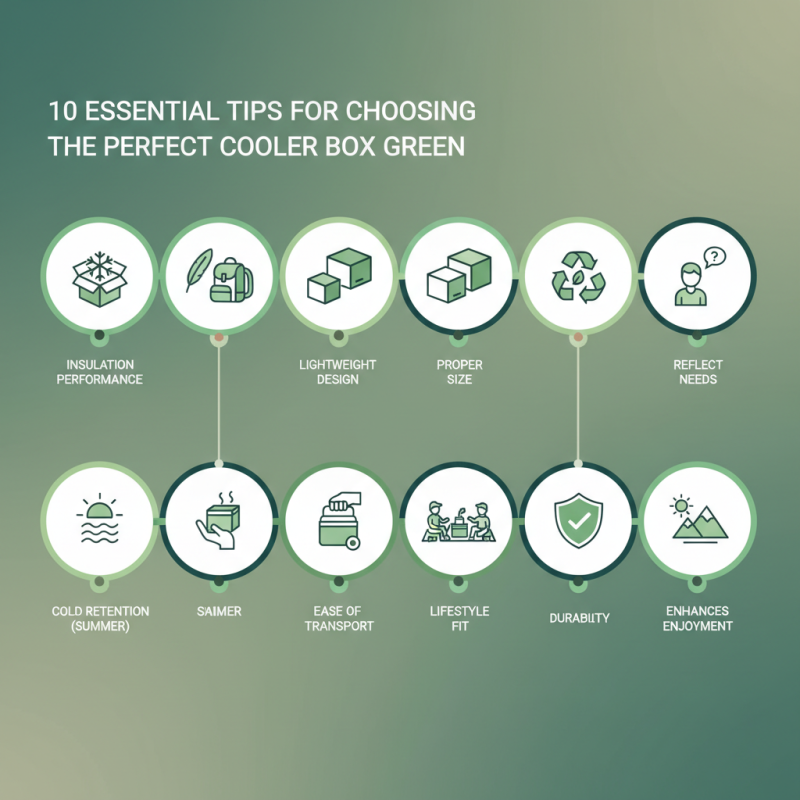
Choosing the right Cooler Box Green is crucial for outdoor experiences. According to the Outdoor Industry Association, sales of cooler boxes have surged by 30% in recent years. This growth shows that more people value high-quality cooling solutions. Expert Mark Jensen states, "A well-chosen cooler enhances any outdoor activity."
When selecting a cooler, consider insulation performance. Good insulation keeps items cold longer, vital during summer outings. Look for lightweight options too. Weight can affect ease of transport. Many overlook the importance of size, often choosing a cooler that’s too big or too small.
Research also indicates that eco-friendly materials are becoming a priority for consumers. The right Cooler Box Green should balance functionality with sustainability. Reflecting on your needs is important. Buying a cooler that doesn't fit your lifestyle can lead to regrets. Remember, the perfect cooler enhances your outdoor enjoyment.
Understanding the Different Types of Cooler Boxes Available
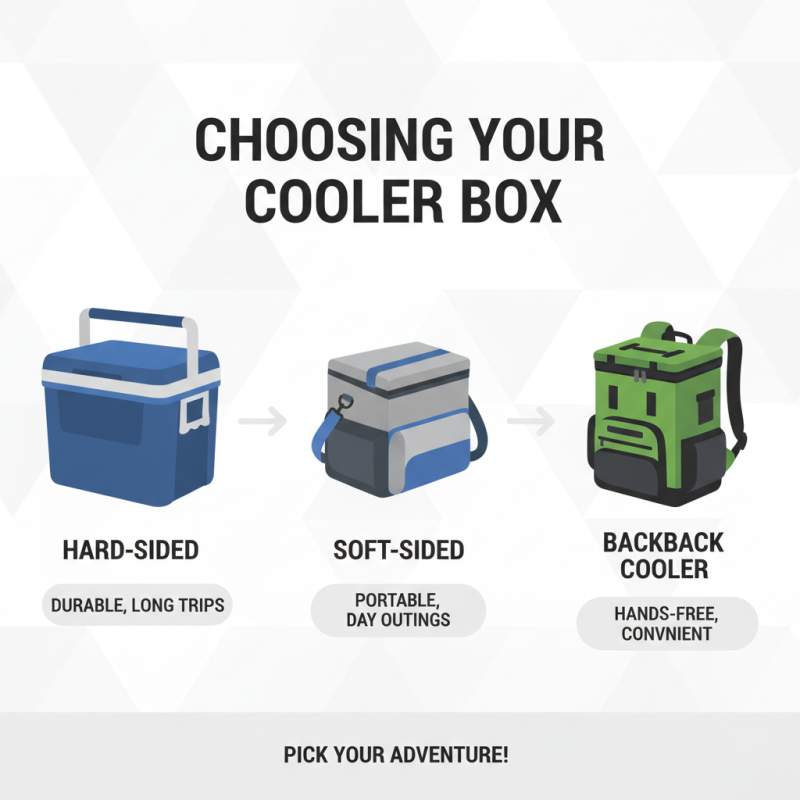
When selecting a cooler box, it's essential to understand the different types available. There are hard-sided coolers, soft-sided options, and even backpack coolers. Each type has unique benefits. Hard coolers are durable and offer great insulation. They are ideal for long trips. Soft-sided coolers are more portable and easier to carry, perfect for day outings. Backpack coolers combine convenience and functionality, allowing hands-free transport.
Tip 1: Consider your activities. If you're heading to a beach for a week, a hard cooler might be best. If you're going on a hike, a backpack cooler could serve you well. You might think that any cooler will do. However, using the wrong type can lead to disappointment.
Tip 2: Check insulation quality. Some coolers keep ice longer than others. Think about your needs. A short picnic might require less insulation. Meanwhile, a weekend camping trip demands something with better performance. Watching ice melt quickly can be frustrating.
Lastly, evaluate size and weight. A bulky cooler may not fit in your vehicle easily. Balance is key. A compact cooler may limit storage, while an oversized one could be difficult to transport. Reflect on what fits your lifestyle the best.
Key Features to Consider When Selecting a Cooler Box
When selecting a cooler box, several key features should be at the forefront of your mind.
Insulation is crucial. Good insulation keeps your items cold. Look for boxes that offer at least two inches of foam insulation.
A sturdy exterior is also essential. You want a cooler that can withstand rough handling. Materials like rotomolded plastic are excellent for durability.
Consider the size before making a choice. A cooler that is too small may not meet your needs. Conversely, a large box can be cumbersome.
It's essential to find a balance. Additionally, think about portability. Integrated handles or wheels can make transport easier.
However, not every cooler has this feature, and you might need to carry it by hand.
Drainage is another aspect that often gets overlooked.
A well-designed cooler should have a drain plug. This feature makes it easier to empty melted ice. Some models may have poorly designed drains, creating a hassle.
Ventilation can also be a concern. Without it, odors can build up quickly. Always check if the cooler has proper ventilation.
Assessing Insulation Efficiency for Longer Ice Retention
When selecting a cooler box,
insulation efficiency is crucial.
A well-insulated cooler keeps ice longer, keeping your drinks cold. Look for thick walls
made from quality materials. Polyurethane foam is often effective.
However, not all coolers provide the same level of insulation. Some owners report disappointment in
ice retention during hot days.
Before buying, test the cooler's insulation. Fill it with ice and check how long it lasts. If you often camp
or spend time outdoors, this is important. Sometimes, we assume a cooler will perform well, but that isn’t
always the case. Consider real user reviews, and learn from others'
experiences. Pay attention to how easy it is to clean, too.
Durability is another aspect connected to
insulation. A sturdy cooler often withstands harsh conditions, which supports its insulation properties.
However, even the toughest models can develop issues over time.
Heat can compromise insulation, leading to quick
melting of ice. Regular maintenance can extend the life of your cooler.
Size and Portability: Finding the Right Fit for Your Needs
When selecting a cooler box, size and portability are crucial factors. Many outdoor activities require different sizes. A small cooler might suffice for a day trip, while longer camping trips may demand larger capacity. According to recent industry reports, 70% of outdoor enthusiasts prefer coolers that hold at least 50 quarts for multi-day use. This data highlights the need for careful consideration.
Portability is equally important. If a cooler is heavy and unwieldy, it won't be used as often. Look for features like wheels or comfortable carrying handles. Research shows that cooler boxes weighing over 20 pounds become cumbersome for 60% of users. A compact, lightweight cooler can make a significant difference.
However, it is easy to overlook these details in favor of price or aesthetics. Buyers often regret not considering their specific needs. Balancing size, weight, and usability is essential. The perfect cooler should fit seamlessly into your adventures, enhancing your experience rather than hindering it. Prioritize your requirements, and you'll find the right cooler box that matches your lifestyle.
Budget Considerations: Balancing Cost and Quality in Cooler Boxes
Choosing a cooler box involves careful consideration of budget. A report from the Outdoor Industry Association indicates that consumer spending on outdoor gear has surged by 20% in recent years. This points to growing interest in products that balance cost and quality. However, a high price doesn’t always guarantee effectiveness.
When looking at cooler boxes, compare features against price. Look for insulation quality and durability. The best coolers can keep ice for several days. Industry tests show that higher-priced coolers often outperform cheaper ones for ice retention. Yet, some budget options provide adequate performance for casual users. Are you using it for picnics, or long camping trips?
Don’t forget to account for user reviews. Many buyers express dissatisfaction over underperforming coolers. They mention leaks or poor insulation. This feedback is crucial. It is important to find a cooler that meets your specific needs without sacrificing quality. Sometimes, a mid-range cooler box proves to be the best investment. You may end up spending less in the long run.
10 Essential Tips for Choosing the Perfect Cooler Box Green - Budget Considerations: Balancing Cost and Quality in Cooler Boxes
| Feature |
Importance |
Budget Range ($) |
Quality Rating (1-5) |
| Insulation Quality |
High |
50 - 150 |
5 |
| Size/Capacity |
Moderate |
30 - 100 |
4 |
| Material Durability |
High |
70 - 200 |
5 |
| Weight |
Low |
20 - 80 |
3 |
| Cooler Type |
Moderate |
40 - 120 |
4 |
| Portability Features |
High |
30 - 90 |
4 |
| Price-to-Performance Ratio |
High |
50 - 150 |
5 |
| Warranty |
Moderate |
0 - 50 |
3 |
| Environmental Impact |
High |
80 - 200 |
5 |
| User Reviews |
High |
Varies |
4 |