What is a Cooler Box? Ultimate Guide to Choosing the Right One for You
When it comes to outdoor adventures, whether it's camping, hiking, or a day at the beach, having a reliable Cooler Box can make all the difference. Cooler boxes are designed to keep food and beverages cold for extended periods, making them indispensable for enthusiasts of outdoor activities. According to a recent industry report by Grand View Research, the cooler market is projected to reach $4.27 billion by 2025, underscoring the growing consumer demand for high-performance, durable, and functional cooling solutions.
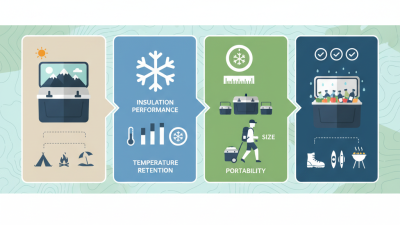
Choosing the right cooler box is not just about picking a container; it's about optimizing your outdoor experience. With various options available in terms of size, insulation technology, and portability features, it is crucial to understand what fits best for your specific needs. Research indicates that nearly 60% of outdoor enthusiasts consider insulation performance as a priority, highlighting the importance of thermal retention capabilities in cooler boxes. This guide aims to equip you with the knowledge necessary to select the perfect cooler box, ensuring your perishables remain safe and cool while you enjoy the great outdoors.
What is a Cooler Box? Understanding Its Definition and Purpose
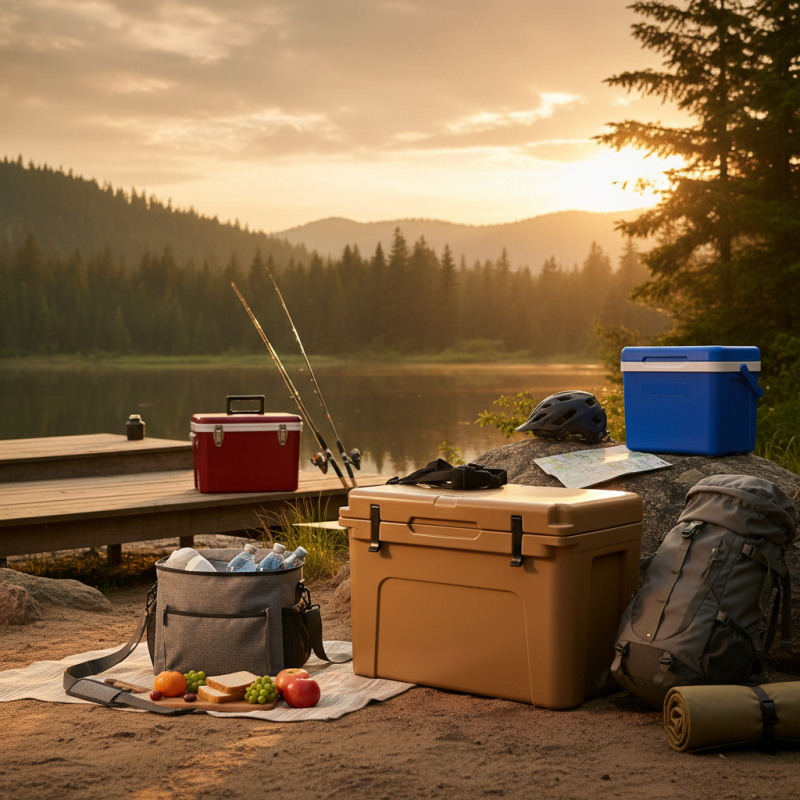
A cooler box, often referred to as a cooler or an ice box, is a portable container designed to keep food and beverages cold, making it an essential companion for outings, picnics, and camping trips. The primary purpose of a cooler box is to provide insulation that retains cool temperatures and minimizes heat transfer, ensuring that perishable items remain fresh for extended periods. According to a report by Grand View Research, the global cooler market was valued at approximately $3.5 billion in 2020 and is projected to see significant growth, driven by increasing outdoor activities and the rising demand for convenience-based products.
Understanding the different types of cooler boxes, from soft-sided to rigid ones, can help users choose the right product for their needs. Soft-sided coolers are lightweight and easily portable, making them ideal for day trips, while hard-sided models offer superior insulation and durability, perfect for longer excursions. The same Grand View Research report indicates that hard-sided coolers account for over 60% of the market share, attributed to their ability to maintain low temperatures for longer durations. Additionally, features such as UV protection, built-in bottle openers, and wheels can enhance usability, catering to various consumer preferences and activities.
Benefits of Using a Cooler Box: Exploring Temperature Retention and Insulation
When it comes to outdoor activities like camping, picnicking, or tailgating, investing in a quality cooler box can significantly enhance your experience. The primary benefits of using a cooler box lie in its ability to retain temperature and provide excellent insulation. According to a report from the Outdoor Industry Association, cooler boxes can keep ice for up to 10 days, depending on the insulation technology used, which underscores their pivotal role in food and beverage preservation during extended outings.
Effective temperature retention is largely determined by the cooler's construction materials. High-density foam insulation is typically more effective than traditional methods, providing a barrier that minimizes heat transfer. For instance, a cooler with 2 inches of insulation can maintain internal temperatures up to 40°F lower than the ambient temperature for prolonged periods. Therefore, when selecting a cooler box, look for products that emphasize their insulation capabilities and are specifically designed for the environment in which you will be using them.
Tips: Always pre-chill your cooler by placing ice or cold packs inside a few hours before your trip. This practice further enhances the cooler's performance. Additionally, consider packing your cooler efficiently; grouping perishable items together and limiting the frequency of opening the lid can greatly increase the retention of cold air.
Types of Cooler Boxes: Hard-Sided, Soft-Sided, and Electric Options
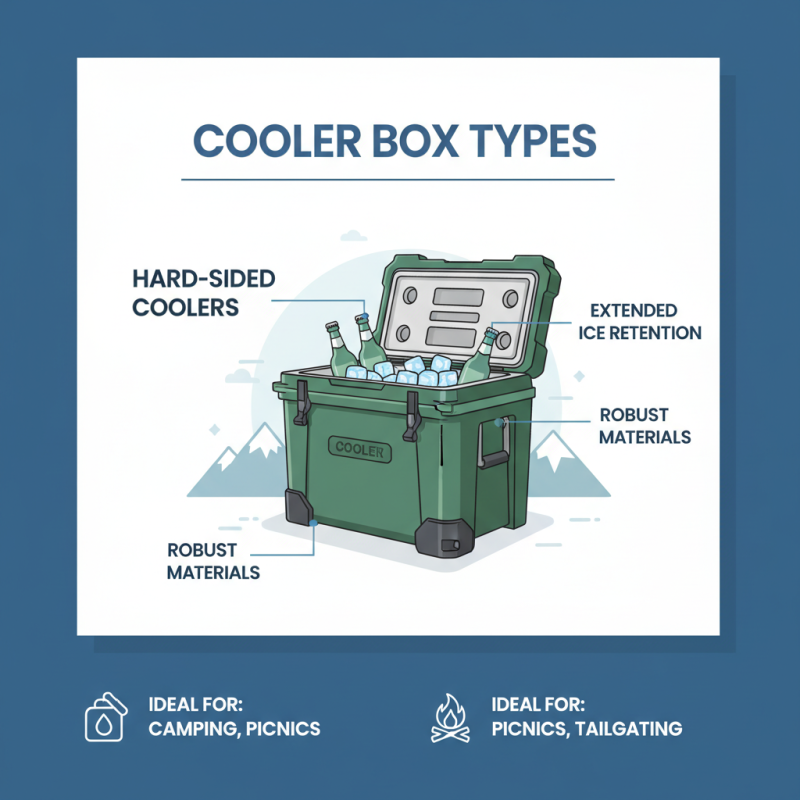
When it comes to cooler boxes, understanding the different types available can help you make the best choice for your needs. Hard-sided coolers are known for their durability and insulation capabilities. Constructed with robust materials, these coolers are ideal for outdoor adventures such as camping, picnics, or tailgating. They often feature a rugged design that can withstand rough handling and can keep ice frozen for extended periods, making them perfect for long trips.
On the other hand, soft-sided coolers offer a lightweight and portable alternative. These coolers are typically made from flexible materials that allow for easy transport and storage. While they may not retain ice for as long as hard-sided versions, they are often more versatile and can be used for day trips, beach outings, or even as lunch bags. Many soft-sided coolers come with additional pockets for organization, making them practical for on-the-go lifestyles.
Lastly, electric coolers provide a convenient option for those looking to keep their items chilled without relying solely on ice. These coolers can be plugged into a power source, allowing for consistent temperature control. They are particularly useful for road trips or extended camping trips where access to electricity is available. With various features such as built-in charging ports and adjustable temperature settings, electric coolers cater to a range of needs for modern outdoor enthusiasts.
Key Features to Consider When Choosing a Cooler Box: Size, Portability, and Durability
When choosing the right cooler box, it's essential to consider key features such as size, portability, and durability. The size of the cooler box directly impacts its capacity to hold food, beverages, or ice. If you intend to use it for family picnics or camping trips, opt for a larger size with ample space. However, for day trips or individual use, a more compact cooler may suffice. Always assess your typical needs to select a cooler that strikes the right balance between size and usability.
Portability is another crucial aspect. Look for features that enhance mobility, such as ergonomic handles, wheels, or lightweight materials. A cooler box should be easy to transport, especially if you plan to carry it over long distances. Additionally, consider how it fits within your vehicle or storage space. A cooler that is easy to carry will make your outdoor adventures much more enjoyable.
Durability cannot be overlooked when selecting a cooler box. A sturdy design can withstand rough handling, extreme temperatures, and various outdoor conditions. Opt for materials that are reinforced and resistant to wear and tear. This investment pays off in the long run, as a durable cooler will keep your items fresh and intact for years to come.
Tips: Always check customer reviews and user feedback to gain insights into real-world performance. A trial run at home with ice can also help you gauge insulation effectiveness before venturing out. Lastly, consider the intended purpose of your cooler box to ensure it meets your specific needs.
What is a Cooler Box? Ultimate Guide to Choosing the Right One for You
| Feature |
Description |
Importance |
| Size |
Choose a size based on the number of users and the amount of items you intend to store. |
Very Important |
| Portability |
Consider weight and handle design for easy transport, especially for outdoor activities. |
Important |
| Durability |
Look for robust materials and construction to withstand outdoor elements and rough handling. |
Critical |
| Insulation |
Check the insulation type and thickness for effective temperature retention. |
Very Important |
| Price |
Evaluate based on features offered and your budget constraints. |
Important |
Industry Data: Market Trends and Popular Brands in the Cooler Box Sector
The cooler box market has experienced significant growth in recent years, driven by an increasing demand for outdoor activities and a rising trend in food preservation and transport. According to a recent report by Market Research Future, the global cooler box market is projected to reach USD 2.5 billion by 2025, with a compound annual growth rate (CAGR) of 4.8% from 2019 to 2025. This growth is primarily fueled by the rising popularity of camping, fishing, and tailgating, where efficient food and beverage storage solutions are paramount.
In addition to outdoor enthusiasts, a notable segment contributing to the cooler box market is the food service industry, which utilizes these products for transporting perishable items. The demand for portable refrigeration continues to expand, with consumers showing a preference for lightweight and durable designs. Furthermore, innovations such as advanced insulation materials and eco-friendly options are becoming increasingly important. A 2022 survey suggested that 67% of customers prioritize insulation performance and sustainability when choosing a cooler box. This trend reflects a broader shift towards environmentally conscious consumerism, urging manufacturers to adapt their offerings to meet these evolving preferences.