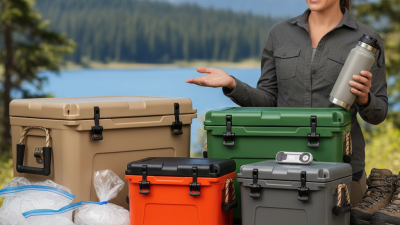
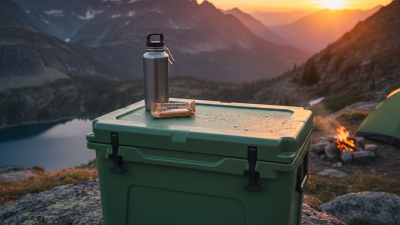
Hot And Cold Cooler Box Tips for Your Next Purchase?
When considering your next purchase of a Hot And Cold Cooler Box, expert opinions are crucial. James Carter, a prominent figure in the outdoor gear industry, emphasizes, "Choosing the right cooler can make or break your adventure." This insight underscores the importance of selecting a reliable cooler box for various conditions.
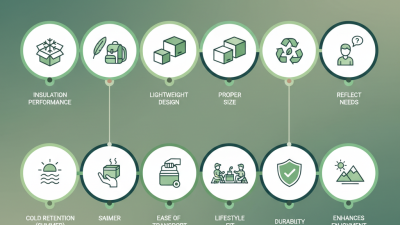
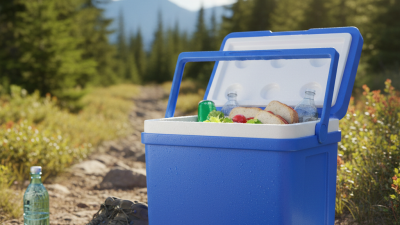
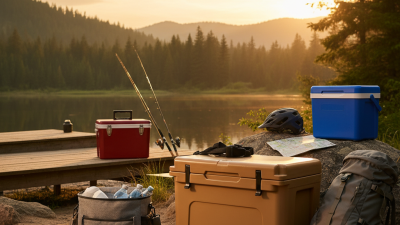
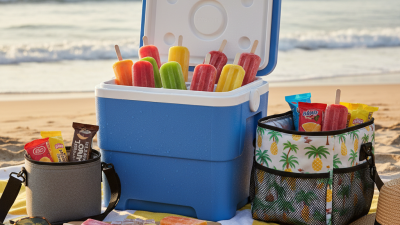
A quality Hot And Cold Cooler Box should cater to diverse needs. For family outings, a spacious model ensures everyone's snacks and drinks stay fresh. Beach trips demand insulated features to keep items cool under the sun. However, some consumers overlook the importance of durability and weight, leading to regrettable choices.
Investing in a Hot And Cold Cooler Box means understanding what suits your lifestyle. It’s not just about aesthetics; functionality is key. Seek out user reviews and professional tips to make an informed decision. Often, the ideal cooler isn’t the trendiest but offers reliability and practical use. Consider your specific needs and reflect on past experiences before making a purchase.
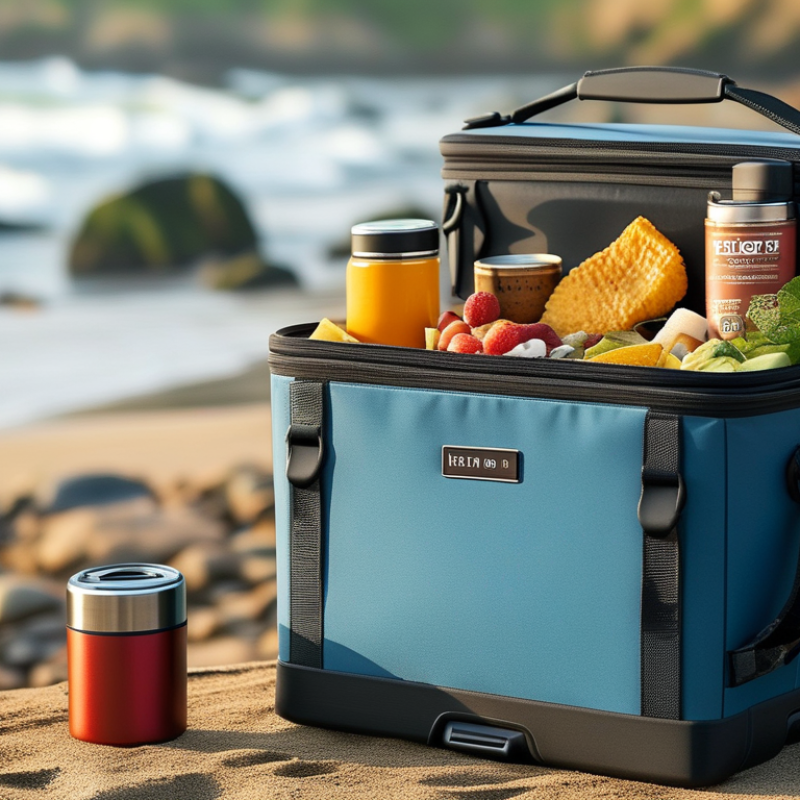
Understanding the Importance of Insulation in Cooler Boxes
When considering a cooler box, insulation plays a crucial role. It determines how well the box maintains temperature. Good insulation can keep your drinks cold or food fresh for hours, even in hot weather. Effective materials trap air, reducing heat transfer. Look for options that feature thick walls and advanced insulation technology. This ensures your items stay at the desired temperature longer.
Many people underestimate the significance of insulation. A cooler with poor insulation may lead to disappointment. Cold drinks may turn lukewarm quickly, and ice could melt faster than expected. Research shows that well-insulated coolers can maintain temperature for significantly longer periods. Choosing the right insulation can enhance your outdoor experience, whether at a picnic or a camping trip.
It's important to invest time in understanding insulation features. Not every design option is equal. Sometimes, users find that even well-reviewed coolers fall short in real-life situations. Examine user feedback to identify which models excel in specific conditions. This insight can guide your purchase, ensuring it aligns with your needs and expectations.
Key Features to Consider for Maximum Cooling Efficiency
When considering a cooler box, focus on insulation quality. Thick, high-density foam is crucial for maximizing cooling efficiency. Look for double-wall construction, as it traps air better and prevents heat exchange. This feature can significantly extend the life of your perishables during outdoor activities or road trips.
Portability plays a key role too. A cooler box should be lightweight and easy to carry. Features like built-in handles and wheels are essential for convenience. However, remember that excess weight can affect maneuverability. Assess what works best for your lifestyle—sometimes, a heavier, more insulated cooler may be worth the trade-off.
Lastly, check the lid's seal and closure mechanism. A tight seal prevents warm air from seeping in. It’s a common flaw in many coolers. If the seal is weak, your cooler may not perform well. Look for user reviews that highlight longevity and efficiency over time. Insulation matters, but reliability in everyday use is paramount.
Comparative Analysis of Popular Cooler Box Brands and Models
When selecting a cooler box, understanding the variety of brands and models is essential. A recent industry report shows that the cooler box market is expected to grow at a CAGR of 4.5% from 2022 to 2027. Consumers are now seeking efficiency and durability. This demand drives manufacturers to innovate both styles and features.
Different cooler boxes have unique capabilities. Some units focus on portability, while others emphasize thermal retention. The temperature retention can vary significantly. Reports indicate that premium models can keep ice for up to 10 days, while budget options fall short at just two days. Evaluate your needs. If you’re planning a long camping trip, quality should prevail over price. However, lighter boxes may work for casual outings.
Here’s the challenge: many consumers rush into purchasing. It often leads to dissatisfaction. Whether it’s size, weight, or insulation, a hasty decision can result in regrets. The wrong choice can spoil your outdoor experience. Reading reviews and comparing specs carefully will lead to a better decision. Use reliable data to inform your purchase.
Best Practices for Maintaining Temperature Control During Use
When using a cooler box, temperature control is crucial. To maintain optimal conditions for your food and drinks, consider some practical tips. Keeping your cooler insulated helps minimize temperature fluctuations. Even a small gap can lead to significant heat transfer. Check the seals and lids for damage regularly.
Packing techniques matter. Start by chilling your cooler overnight with ice packs. When ready, layer ice at the bottom and add your items. Avoid opening the cooler too often. Each time you do, cold air escapes. Be aware of warm items added later. They can raise the overall temperature quickly.
Regular maintenance is key. Clean your cooler after each use to prevent odors and bacteria growth. Inspect for wear and tear to ensure longevity. Recognize that no cooler is perfect. Overpacking can limit airflow, impacting performance. A little reflection on usage habits will lead to better temperature management.
Temperature Control Performance of Cooler Boxes
Environmental Considerations: Sustainable Materials in Cooler Design
When considering a cooler box, environmental impact is crucial. Traditional coolers often use non-biodegradable materials. These can sit in landfills for years. Opting for coolers made from sustainable materials makes a significant difference. Look for options that use recycled plastics or eco-friendly insulation. These materials not only reduce waste but also minimize your carbon footprint.
Another aspect to contemplate is the longevity of the product. A well-constructed cooler can last for years, which offsets any initial environmental impact. Some designs may fall short in durability, leading to premature disposal. Reflect on your choice's longevity and sustainability. Additionally, consider how the cooler is manufactured. Some brands prioritize ethical sourcing, which impacts both the environment and local communities. Not all products will meet these standards, so do your research. Aim for a balance between functionality and eco-friendliness in your next purchase. Your choice can promote a healthier planet.
Hot And Cold Cooler Box Tips for Your Next Purchase? - Environmental Considerations: Sustainable Materials in Cooler Design
| Feature |
Description |
Environmental Impact |
Sustainability Rating |
| Insulation Material |
Foam, Polyurethane, or Recycled Materials |
High energy efficiency and reduce carbon footprint |
A+ |
| Exterior Material |
Recyclable Polypropylene or Biodegradable Plastics |
Lower environmental impact from production to disposal |
A |
| Size Options |
Variety of sizes from personal to family use |
Encourages proper portioning and reduces waste |
B+ |
| Packaging |
Minimal use of plastic; uses recycled materials |
Reduces landfill waste |
A+ |
| Durability |
Engineered to withstand weather and wear |
Longer lifespan reduces need for replacements |
A |