How to Choose the Best Plastic Ice Cooler Box for Your Needs?
Choosing the right Plastic Ice Cooler Box can feel overwhelming. With numerous options available, understanding your unique needs is crucial. A good cooler not only keeps your drinks cold but enhances your outdoor experiences.
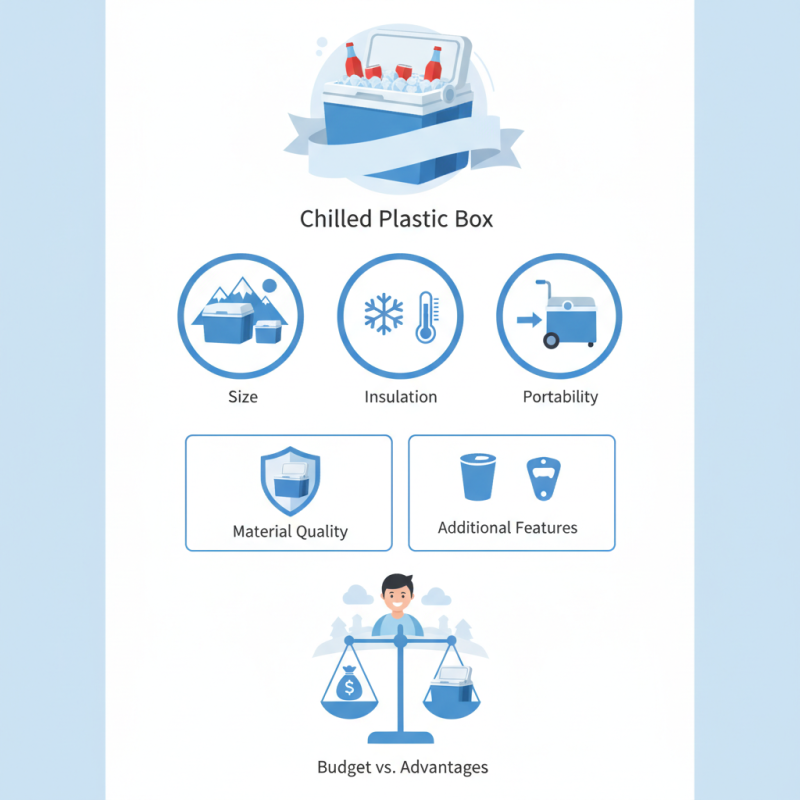
Consider factors like size, insulation, and portability. A smaller cooler may suit day trips, while larger models are perfect for camping.Evaluate the material quality as well. A durable cooler can withstand rough handling, ensuring long-term use.
Don’t overlook additional features such as built-in cup holders or drain plugs. Each feature can add convenience. However, some coolers come with high price tags. It’s essential to weigh your budget against the cooler’s advantages. Finding the right balance will lead to a more satisfying purchase. Ultimately, the best Plastic Ice Cooler Box is the one that meets your specific needs and preferences.
Factors to Consider When Selecting a Plastic Ice Cooler Box
When choosing a plastic ice cooler box, several critical factors must be considered. First, the insulation thickness plays a vital role in effectiveness. A study by The Outdoor Foundation indicates that proper insulation can keep ice for up to 10 days. Consumers should also check the cooler's construction materials. Higher quality plastics add durability and impact resistance, which are crucial for outdoor activities.
Size and capacity are equally significant. A smaller cooler may suit day trips, while larger ones are better for extended camping. Market research shows that 68% of users prefer coolers that fit their specific needs without compromising on space. Additionally, consider weight and portability. Ideally, you want a cooler that balances capacity with ease of transport, particularly for hiking or tailgating events.
Finally, drainage systems can greatly affect functionality. Efficient drain plugs can make clean-up simple, often overlooked by buyers. Many users report frustrations with difficult-to-drain models, highlighting the need for practical features. These minor details, while often ignored, can significantly enhance your cooling experience. Each choice has its implications, urging careful consideration based on personal needs and activity type.
Different Types of Plastic Ice Cooler Boxes Available on the Market
When selecting a plastic ice cooler box, it’s crucial to understand the various types available. Insulated coolers are popular for their thermal retention. They often use foam insulation, keeping contents cold for several days. According to industry reports, coolers with thick walls can maintain lower temperatures for up to 5 days, making them ideal for long trips.
Soft-sided coolers are lightweight and portable. They typically include a waterproof lining, making them great for day trips. However, they may not retain ice as long, usually lasting around 24 hours. Studies indicate that their cooler temperatures can vary significantly based on external conditions. Thus, careful consideration is essential before selecting a type.
Hard-shell coolers offer durable construction, which is beneficial for outdoor activities. They often include features like built-in bottle openers and tie-down points. However, their weight can be a downside, especially when full. A study from the American Coolers Association showed that while hard-shell coolers are effective, user feedback highlights the need for better ergonomic designs. This illustrates the importance of balancing durability and usability in your choice.
How to Choose the Best Plastic Ice Cooler Box for Your Needs?
| Type |
Capacity (Quarts) |
Insulation Type |
Weight (lbs) |
Average Price ($) |
| Hard Cooler |
54 |
Rigid Foam |
25 |
150 |
| Soft Cooler |
12 |
Insulated Fabric |
3 |
50 |
| Ice Chest |
36 |
Thermal Insulation |
15 |
80 |
| Beverage Cooler |
15 |
Foam Insulation |
5 |
30 |
Capacity and Size: What You Need to Keep in Mind
When choosing a plastic ice cooler box, capacity and size are crucial factors.
An adequate size ensures you can store enough food and beverages for your outdoor activities.
Consider how many people you typically cater to during picnics or camping trips.
A compact cooler may suffice for a small group, while larger gatherings require more capacity.
Keep in mind that a cooler’s size impacts its portability.
Bulky models may hold more, but can be cumbersome to transport.
Think about your mode of travel.
If you're hiking, a lightweight, compact cooler would be preferable. Conversely, for car camping, a larger cooler might offer greater flexibility.
Additionally, consider your storage space at home.
A big cooler won't be practical if you have limited storage. Reflect on these points before making a choice.
Inadequate planning can lead to dissatisfaction later.
It’s essential to find a balance between capacity and convenience.
Insulation Quality: Importance for Ice Retention
When selecting a plastic ice cooler box,
insulation quality is paramount.
High-quality insulation can significantly impact how long ice remains frozen. According to a study from the Outdoor Industry Association, coolers with superior insulation can retain ice for up to five days.
This is often measured by thermal resistance, expressed as R-value.
The higher the R-value, the better the insulation performance.
Many consumers underestimate this factor. In practice, a cooler with thin insulation might only keep ice for a day or two, which can be frustrating during long outings.
Effective insulation not only impacts ice retention but also regulates temperature for stored food and beverages.
A report from the American Society of Heating, Refrigerating and Air-Conditioning Engineers states that proper insulation can reduce energy loss by 30%.
Additionally, some cooler designs claim strong insulation but test poorly in real-life situations.
It's crucial to look for independent testing reports when comparing options.
Misleading marketing can lead to poor purchases. Thorough research is essential to find a cooler that truly meets your needs.
Consider the insulation type and thickness, as these factors directly influence long-term performance.
Portability Features: Handles and Wheels for Easy Transport
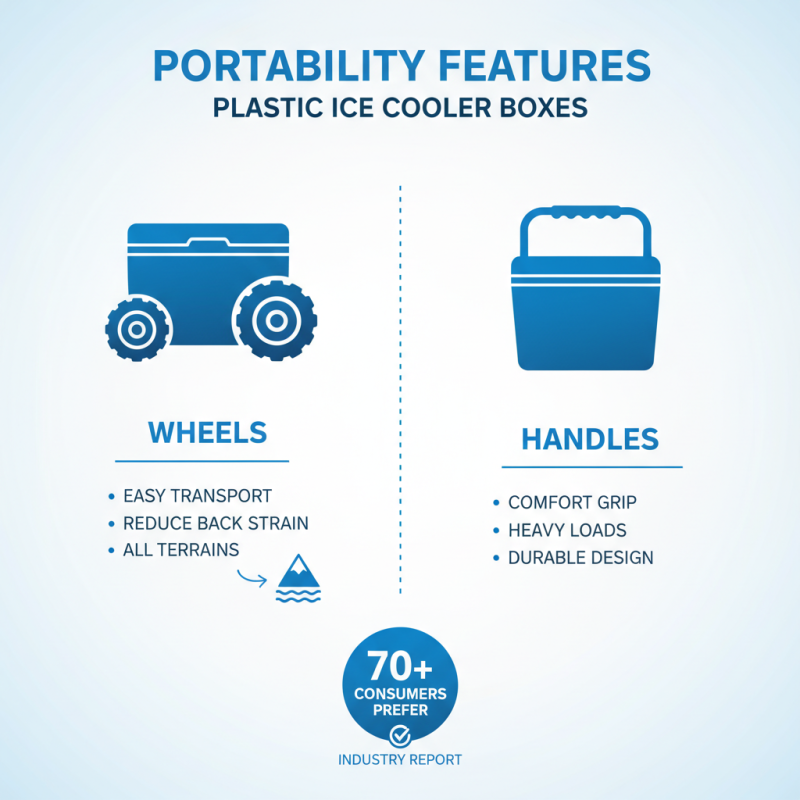
When selecting a plastic ice cooler box, portability features are crucial. Handles and wheels greatly enhance ease of transport. Industry reports indicate that over 70% of consumers prioritize these features. This is especially true for outdoor enthusiasts who traverse various terrains. Handy wheels reduce strain on the back. Robust handles provide a comfortable grip, vital for transporting heavy loads.
Design matters in cooler portability. Some models feature extendable handles, which can make maneuvering smoother, while others utilize a sturdy wheel system. A report from the Outdoor Industry Association highlights that coolers with both handles and wheels can see a 30% increase in user satisfaction. However, not all designs are equal. Some wheels may not hold up well on rough surfaces. Users should consider the type of terrain they frequent.
Another aspect to consider is the weight. Lightweight coolers with sturdy, foldable handles are often preferred for long trips. Yet, some may compromise thermal insulation for reduced weight. A balance must be found to meet individual needs. Engaging with various models and assessing personal requirements can prevent dissatisfaction later. The right cooler should make every trip easier, not more complicated.