How to Choose the Best Lunch Cooler Box for Your Needs?
Choosing the best Lunch Cooler Box can enhance your outdoor adventures or workdays. A good cooler keeps your food fresh and drinks cool. It's essential to consider size, insulation, and durability when making your choice. Some coolers are too bulky for a simple picnic, while others lack enough space for longer trips.
Look for features that suit your lifestyle. Lightweight options are great for hiking, but they may not hold ice as long. On the other hand, heavy-duty models are excellent for camping but can be cumbersome to carry. If you often travel, evaluate the design features. Do they cater to your needs?
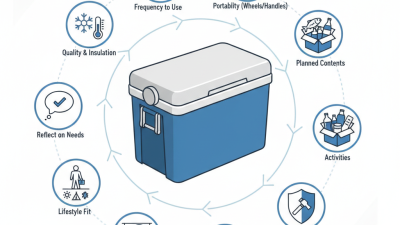
Think about your specific requirements. A cooler that fits your needs today might not serve you well in the future. It’s crucial to reflect on your habits. Do you pack light meals or large feasts? Ultimately, selecting the right Lunch Cooler Box requires some thought and research. Aim to find a balance between practicality and convenience.
Understanding Your Needs: Types of Lunch Cooler Boxes Available
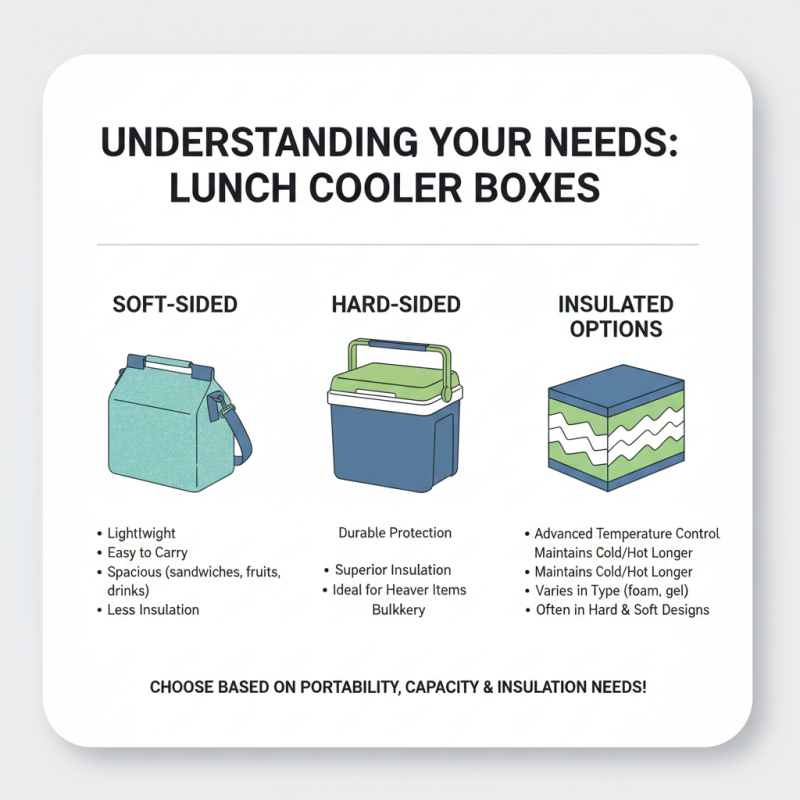
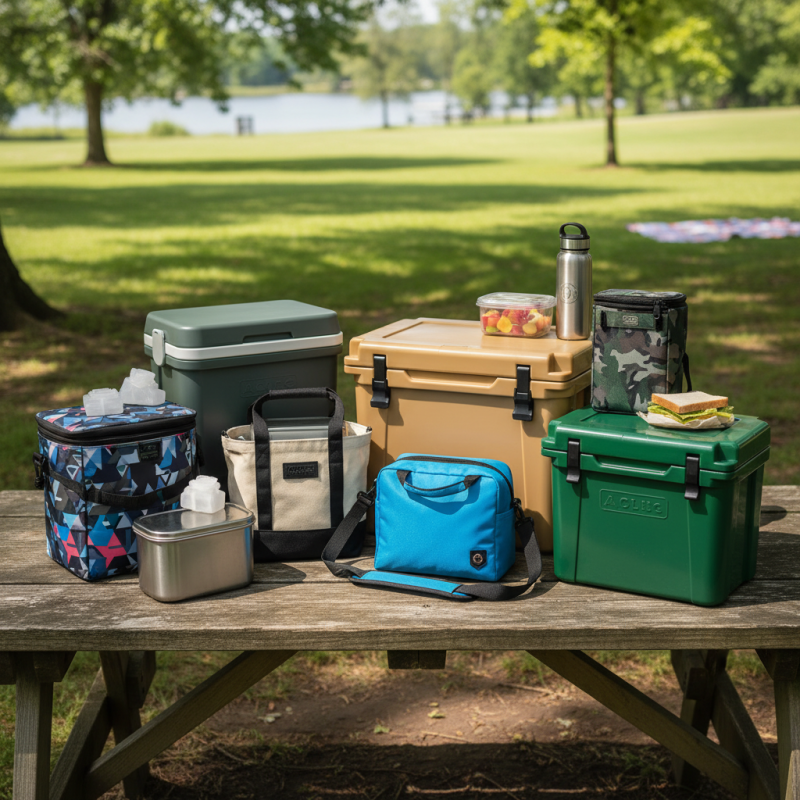
When choosing a lunch cooler box, understanding the types available is essential. There are soft-sided, hard-sided, and insulated options. Soft-sided cooler bags are lightweight and easy to carry. They typically have plenty of space for sandwiches, fruits, and drinks. However, they may not offer the same level of insulation as hard-sided boxes.
Hard-sided coolers are more durable. They can maintain temperature longer, making them ideal for day trips. Yet, they can be heavy and cumbersome to transport. Insulated containers, such as metal or glass, are perfect for meals that need to stay hot or cold. But they often have limited capacity.
**Tips:** Consider your typical outings. Do you pack light for a quick lunch or prepare meals for a picnic? Reflect on your needs. A cooler that fits your lifestyle can prevent frustration. For those who often carry drinks, ensure there’s enough room. Ultimately, choosing the right one can improve your lunch experience significantly.
Assessing Insulation Efficiency: How to Measure Performance
When selecting a lunch cooler, insulation efficiency is crucial. Good insulation keeps food at the right temperature. According to industry studies, a cooler with a high insulation rating can maintain temperature for over 12 hours. Evaluate the materials used in the cooler's construction. Thick foam and airtight seals greatly enhance performance.
Tips: Look for coolers with dual insulation layers. Also, consider the type of refrigerants used. Some coolers utilize gel packs that minimize heat transfer.
To assess a cooler's performance, conduct a temperature test. Fill the cooler with ice and monitor how long it stays frozen. Data from consumer reports show that coolers with high-density foam outperform those with lower-grade insulation.
Remember to think about the cooler's design. A sleek design may be appealing but might sacrifice insulation. As you choose, keep in mind that a perfect cooler doesn't exist. Balance insulation, size, and weight according to your specific needs.
How to Choose the Best Lunch Cooler Box for Your Needs? - Assessing Insulation Efficiency: How to Measure Performance
| Cooler Model |
Insulation Type |
Performance Rating (hours) |
Capacity (liters) |
Weight (kg) |
Price ($) |
| Model A |
Foam Insulation |
10 |
25 |
3.5 |
49.99 |
| Model B |
Thermal Insulation |
12 |
30 |
4.0 |
59.99 |
| Model C |
Thick Insulation |
15 |
40 |
5.5 |
79.99 |
| Model D |
Polyurethane Insulation |
14 |
50 |
6.0 |
89.99 |
Consideration of Size and Capacity: Finding the Right Fit
When selecting a lunch cooler box, size and capacity play crucial roles. Proper sizing ensures your meals fit snugly without excess space. Industry reports indicate that nearly 70% of consumers prioritize size when making a purchase. A cooler that is too small can lead to squished sandwiches or spilled drinks. Conversely, a cooler that's too large may be cumbersome to carry. Finding a balance is key for convenience.
Consider how many meals you need to carry. A box with a capacity that suits your lunch frequency will often work best. Research shows that coolers holding 20-30 liters serve about 70% of users well. This size typically accommodates several meals and snacks. Yet, do not overlook potential overpacking. Packing too many items can compromise cooling efficiency. This emphasizes the importance of packing smart, not just full.
Using visual cues can also assist in your selection. A cooler with strategically placed compartments can help distribute weight evenly. This can make carrying more manageable. However, a complex interior may slow down your packing process. Simple designs often work better for some users. Reflect on what fits your lifestyle best. Think about your typical outings and meals. Every choice you make matters for the overall experience.
Evaluating Portability Features: Handles, Straps, and Weight
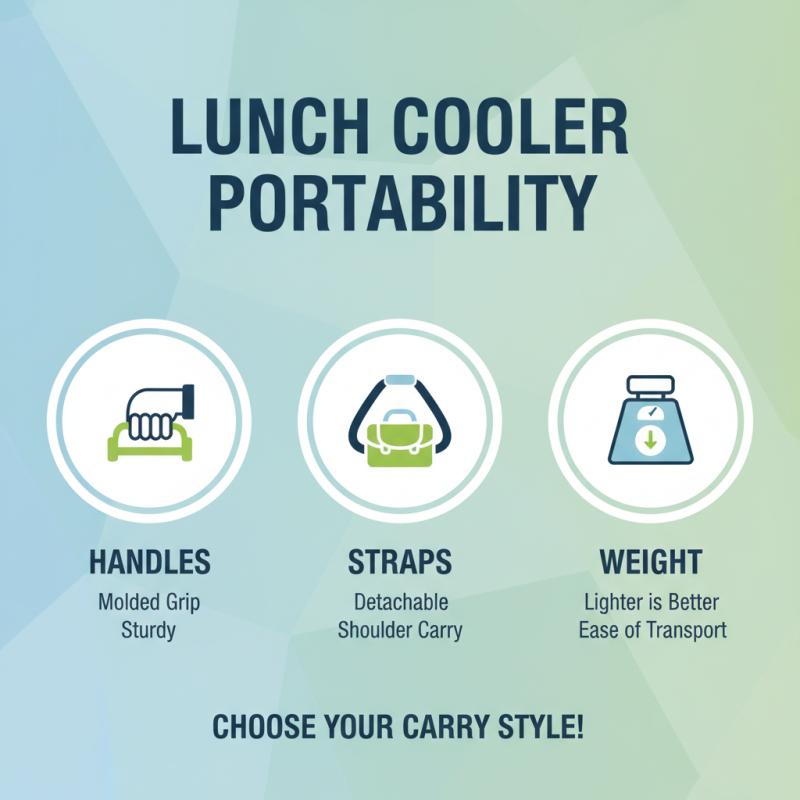
When selecting a lunch cooler box, portability is vital. Handles play a significant role in ease of transport. Some coolers have sturdy, molded handles that provide a comfortable grip. Others come with detachable straps to wear over the shoulder. Consider how you'll carry the cooler—hands-free options can prove beneficial.
Weight is another crucial factor. A lighter cooler is easier to manage, especially when it's filled. Some designs sacrifice insulation for weight, which can be a compromise. Think about the balance between carrying capacity and weight. You want something that is convenient but still functional.
The size of the cooler can also affect portability. If it's too large, it might become cumbersome. A cooler that fits snugly in your vehicle or picnic setup is ideal. It's essential to reflect on your needs carefully. You may find that what seems perfect initially might not serve you well in practice. Prioritize what matters most for your lifestyle.
Budgeting for Quality: Finding the Best Value for Your Lunch Cooler
When selecting a lunch cooler, budgeting for quality is essential. A higher price tag doesn’t always guarantee better performance. Sometimes, cheaper options surprise you with their durability. Focus on what features you truly need. A simple, insulated box can often suffice for daily lunches.
Tips: Consider the size and insulation material. A hefty cooler may seem sturdy, but it can be cumbersome. Look for lightweight options that still provide good insulation. You want your food to stay fresh, but carrying a heavy load can be tiring.
The design also matters. A cooler with compartments can be helpful, but overly complicated designs might just confuse you. Think about how you use it daily. Are you often on the go, or are you preparing meals in advance? Choose a cooler that fits your lifestyle. Sometimes, opting for flexibility can lead to better choices. Take time to ponder the features versus your specific needs.
How to Choose the Best Lunch Cooler Box for Your Needs?
This chart illustrates the average price range and insulation duration of different types of lunch cooler boxes based on their material and design. Choosing a cooler that fits your budget while providing adequate insulation is essential for keeping your meals fresh.