How to Choose the Best Plastic Ice Cooler Box for Your Needs?
When selecting a Plastic Ice Cooler Box, the options can be overwhelming. Experts in the industry often emphasize the importance of choosing according to personal needs. John Thompson, a well-known authority in outdoor gear, states, “The right cooler can make or break your outdoor experience.” His insight underscores the necessity of understanding your unique requirements.
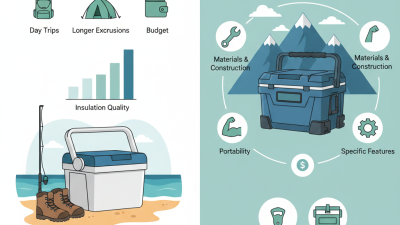
Consider the capacity, insulation type, and portability when making your choice. High-quality coolers are designed to retain ice for longer periods. For example, thick walls and a tight seal can enhance the cooling efficiency. Different activities may call for different features. A day at the beach requires a different selection than an extended camping trip.
Choosing a Plastic Ice Cooler Box isn't merely a simple task. It’s about matching it to your lifestyle. Reflect on what you need — storage space, weight, or durability. Sometimes, choices made in haste lead to regrets. An informed decision ensures you invest wisely in a product that genuinely meets your needs. The right cooler not only preserves food and drink but also enhances your outdoor enjoyment.
Understanding Different Types of Plastic Ice Cooler Boxes: An Overview
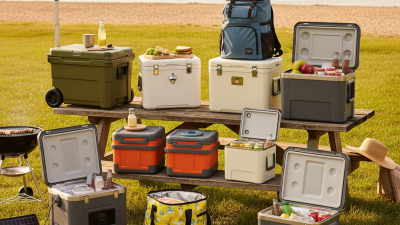
When selecting a plastic ice cooler box, it's crucial to understand the different types available. There are hard-sided coolers, soft-sided options, and even hybrid designs. Hard-sided coolers are known for their durability and capacity. According to a recent study, about 75% of outdoor enthusiasts prefer hard-sided units for camping trips. These coolers can retain ice for days, making them ideal for extended adventures.
Soft-sided coolers offer portability that is unmatched. Weighing significantly less, they are perfect for day trips or picnics. Although they may not retain ice as long, advancements in insulation technology are enhancing their performance. Reports indicate that 60% of casual users find soft-sided coolers sufficient for their short outings. Hybrid models attempt to combine the strengths of both designs, appealing to consumers seeking versatility.
While these insights offer a overview, personal needs vary. Those who prioritize space might lean towards hard-sided coolers. Meanwhile, minimalists may favor the lighter soft-sided versions. It is important to think through your unique usage scenarios. Evaluate how you plan to use the cooler, and factor in the frequency of use. Identifying these preferences will result in a more informed choice.
Key Features to Consider When Selecting a Cooler Box for Your Needs
When choosing a plastic ice cooler box, several key features can significantly impact your experience. First, consider the size and capacity. Cooler boxes come in various sizes, from those that hold just a few drinks to larger models capable of storing several days' worth of food and beverages. Think about your typical outing. Are you camping for a weekend or just heading to a picnic? The right size will make transport easier and help avoid excess space.
Another important feature is insulation. Good insulation keeps ice from melting quickly. Look for materials that are known for their durability and thermal efficiency. Some models may even have multiple layers of insulation, which can enhance performance. Weight is also a factor, especially if you need to carry the cooler over distances. Heavier coolers may offer better insulation but can be cumbersome.
Portability features should also not be overlooked. Many cooler boxes come with wheels, handles, or straps for easy transport. Think about how you intend to use the cooler. Will you be taking it on hiking trips or to the beach? A portable model can make your outdoor adventures more enjoyable. Evaluate your specific needs and preferences to find the cooler that fits your lifestyle best.
Comparative Analysis of Insulation Materials and Their Performance Ratings
When selecting a plastic ice cooler box, insulation material is crucial. The type of insulation directly affects how long your cooler will keep items cold. Common types include polyurethane foam and expanded polystyrene. According to a recent report by the Outdoor Industry Association, polyurethane foam can provide superior insulation, maintaining temperatures up to 48 hours in controlled tests. This efficiency makes it a preferred choice for extended trips or outdoor events.
However, performance can vary widely among products. A study from the National Institute of Standards and Technology indicated that variations in wall thickness and material density significantly influence thermal retention. For instance, coolers with thicker walls often outperform their thinner counterparts by a substantial margin, resulting in prolonged ice retention.
It's essential to weigh these factors against your needs. A more insulated cooler often comes with added weight and cost. Balancing insulation performance with portability could lead to tough decisions. Consider your typical usage scenarios. If you expect frequent openings, a cooler with high air sealing may perform better than one simply rated for insulation. Reflect on your requirements to make the best choice.
How to Choose the Best Plastic Ice Cooler Box for Your Needs? - Comparative Analysis of Insulation Materials and Their Performance Ratings
| Model |
Insulation Material |
Performance Rating (Hours) |
Capacity (Liters) |
Weight (Kg) |
| Model A |
Polyurethane |
48 |
40 |
5 |
| Model B |
Expanded Polystyrene |
36 |
30 |
4.5 |
| Model C |
Polyethylene |
24 |
20 |
3.2 |
Evaluating Size and Capacity: How Much Storage Do You Actually Need?
Choosing the right size and capacity for a plastic ice cooler box is essential. You need to think about your specific needs. Are you planning a day trip, or will you be camping for a week? These scenarios require different storage options. A smaller cooler may suffice for a picnic, but larger gatherings demand more space.
Assessing how much you plan to store is crucial. Consider the amount of food and drinks you typically bring. For just two people, a cooler with a capacity of around 20 quarts might be adequate. However, larger groups might need a cooler that holds over 50 quarts. Visualizing your needs is important. Imagine packing for a full day at the beach. Will everything fit in your cooler, or will you be left scrambling for space?
Be mindful of the cooler’s dimensions. A large capacity often means a bulkier design. Ask yourself if you have enough room in your vehicle. Think about how heavy it will be when full. The sturdiness of the cooler can impact its portability as well. Finding that balance between capacity and convenience can be challenging yet rewarding as you plan your outings.
How to Choose the Best Plastic Ice Cooler Box for Your Needs?
This chart displays the storage capacities of different sizes of plastic ice cooler boxes. Depending on your needs, selecting the right size is crucial for optimal storage.
Price vs. Quality: Finding the Best Value in Plastic Ice Cooler Boxes
When selecting a plastic ice cooler box, price and quality often stand at odds. The average price for high-quality coolers can range from $50 to over $300. However, industry reports indicate that consumers frequently prioritize cheap options, leading to dissatisfaction. A study by the International Association of Refrigerated Transport highlights that nearly 40% of users find their cooler inadequate for insulation efficiency.
Quality ties directly into performance. Well-constructed coolers utilize high-density polyethylene, which enhances durability and insulation. According to research from the Outdoor Products Association, a quality cooler can maintain ice for several days. Yet, many budget models only keep ice for 12 hours. Such inefficiency can lead to wasted food and beverages.
Choosing a cooler involves careful consideration. You want to balance your budget against performance needs. Sometimes, spending a bit more upfront can save you money in the long run. The cost of replacing an inadequate cooler adds up. Reflecting on these factors might lead to an informed decision, steering you away from impulse buys that fail expectations.