2026 How to Choose the Best Ice Box Freezer for Your Needs?
Choosing the right Ice Box Freezer can significantly impact your storage needs. With so many options available, making a decision can feel overwhelming. Factors like size, insulation, and energy efficiency are crucial. You want an ice box that fits your space and lifestyle.
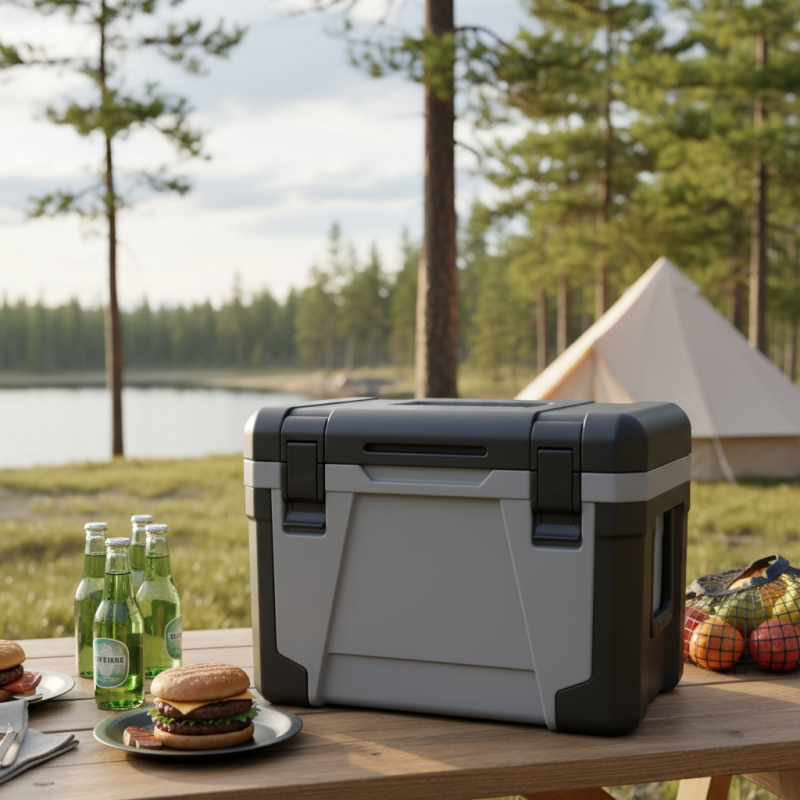
Picture your next camping trip or family gathering. An efficient ice box freezer could keep meat fresh and drinks cold. Remember, not all ice box freezers perform the same. Some models may fall short in temperature control or durability. Research is essential.
Reflect on your priorities: Are portability and weight more important? Or do you prioritize sheer capacity? Each choice influences your experience. Be careful not to rush the buying process. Take the time to evaluate what truly meets your needs. An informed decision leads to satisfaction.
Understanding Different Types of Ice Box Freezers and Their Uses
When selecting an ice box freezer, understanding the types available is essential. There are several kinds, each serving unique purposes. Portable ice box freezers are popular for camping and road trips. They are lightweight and easy to carry. On the other hand, larger chest freezers are great for home use. They provide ample storage for bulk items.
Consider the insulation and cooling mechanism. Some models use advanced technology to maintain temperature efficiently. Others may need frequent monitoring. It's crucial to think about how you plan to use the freezer. If you frequently travel, a compact model might suit you better. However, if you entertain often, a larger option allows for more ice storage.
Another detail to reflect on is energy consumption. Some freezers consume more power than others. This factor can impact your electricity bills significantly over time. Pay attention to energy ratings and estimated operating costs. Understanding these aspects will help you find the best ice box freezer for your needs.
Key Factors to Consider: Size, Capacity, and Energy Efficiency Ratings
When choosing the best ice box freezer, size, capacity, and energy efficiency ratings emerge as crucial factors. According to industry reports, a family of four typically needs a freezer with at least 4.5 cubic feet of space. If you have more food to store, opt for larger models. Compact options are available for smaller households, but they can be limiting.
Energy efficiency is another vital aspect. Look for freezers with Energy Star ratings. These models can be up to 30% more efficient than standard freezers, helping you save on electricity bills. In 2021, the average energy consumption for a conventional freezer was around 400 kWh per year. Selecting an efficient model can significantly decrease that number.
Tips: Always measure your available space before purchasing. A poorly fitted freezer can lead to wasted energy and frustration. Also, assess your storage needs regularly. What seems sufficient today may not be ideal a year from now. Consider the annual cost of operation. A cheaper model might incur higher energy costs over time, demanding an evaluation of both upfront and long-term expenses.
Comparative Analysis: Top Brands and Models in the Ice Box Freezer Market
When exploring the ice box freezer market, it’s essential to compare leading brands and their models.
Industry reports indicate that the demand for these appliances is on the rise,
with an annual growth rate of approximately 8.5%. This growth is driven by increased consumer interest in energy-efficient and compact storage options.
Key factors to consider include storage capacity,
energy efficiency, and cooling performance.
For example, models vary significantly in their cubic feet capacity, ranging from 3 to 10 cubic feet.
Smaller units are suitable for limited spaces, while larger freezers can accommodate more food items.
Energy efficiency ratings offer insights into operating costs, which are crucial for long-term savings.
Despite this information, not all models perform equally. Some may struggle with temperature consistency, leading to
food spoilage. According to recent surveys, nearly 30% of users report dissatisfaction due to inadequate cooling.
Additionally, factors like noise levels and design aesthetics can influence user experience. Reflecting on these aspects provides a
more comprehensive view of what to watch for when selecting the best ice box freezer for individual needs.
Cost vs. Performance: Budgeting for Your Ideal Ice Box Freezer
Choosing the right ice box freezer involves balancing cost and performance. You want something practical, but also effective. A lower price might mean fewer features or lower efficiency. Evaluating your needs is crucial. If you only store a few items, a smaller model may suffice. However, if you plan to stock up for a long trip, invest in a larger, more performant unit.
Tips: Always consider energy costs. Higher performance models might have better energy ratings. This can save money over time. Also, look for alternatives. Refurbished models may offer great value.
Watch out for features you may not need. Extra compartments or fancy designs can inflate the price. It’s easy to get caught up in what looks good. Functionality should guide your purchase. Researching real user reviews can provide insights. You might find that some features are not worth it after all. Make a checklist of must-haves to keep focus and minimize impulse buys.