How to Choose the Best Cooler Box for Your Needs?
Choosing the right cooler box is essential for a variety of outdoor activities. Whether you are camping, tailgating, or enjoying a picnic, a cooler box with the right features can enhance your experience. The market offers a vast selection of options, which can make the decision overwhelming. Understanding your specific needs is crucial.
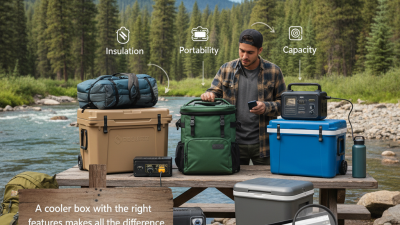
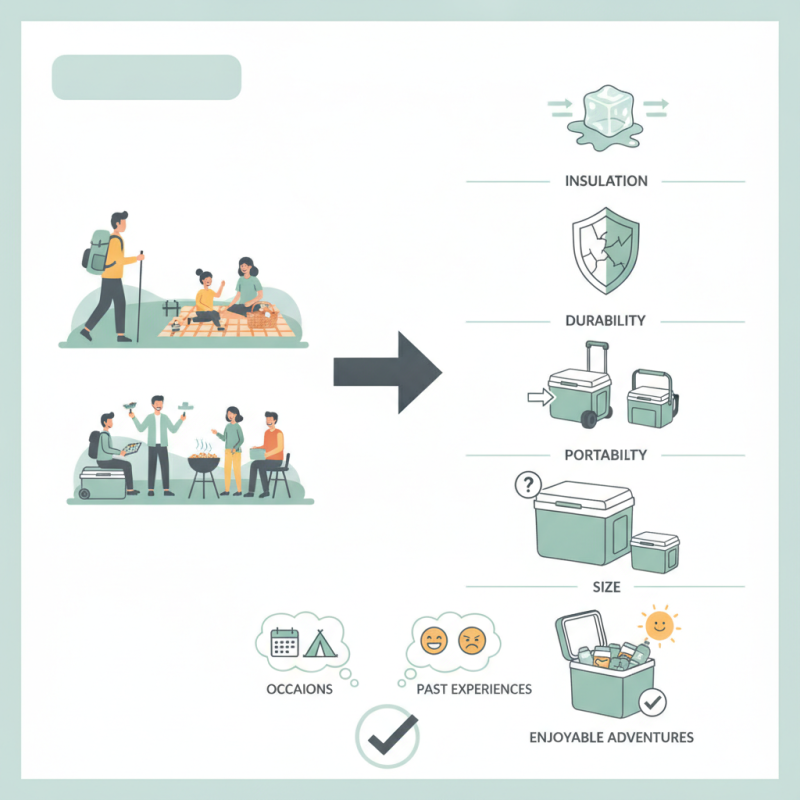
A cooler box with excellent insulation ensures your food and drinks stay cold longer. Look for durable materials that withstand wear and tear. Portability is another aspect to consider. A lightweight cooler will make transport easier, especially during long hikes. Don’t forget to assess the size. A box too large may be cumbersome, while one too small may not meet your requirements.
Remember, the best cooler box is the one that fits your lifestyle. Think about occasions where it will be used. Reflect on your past experiences with coolers. Did they meet your expectations? Knowing what works and what doesn’t can guide you in making a well-informed choice. Ultimately, buying a cooler box with thoughtful consideration can lead to more enjoyable adventures.
Identifying Your Cooling Needs and Usage Scenarios
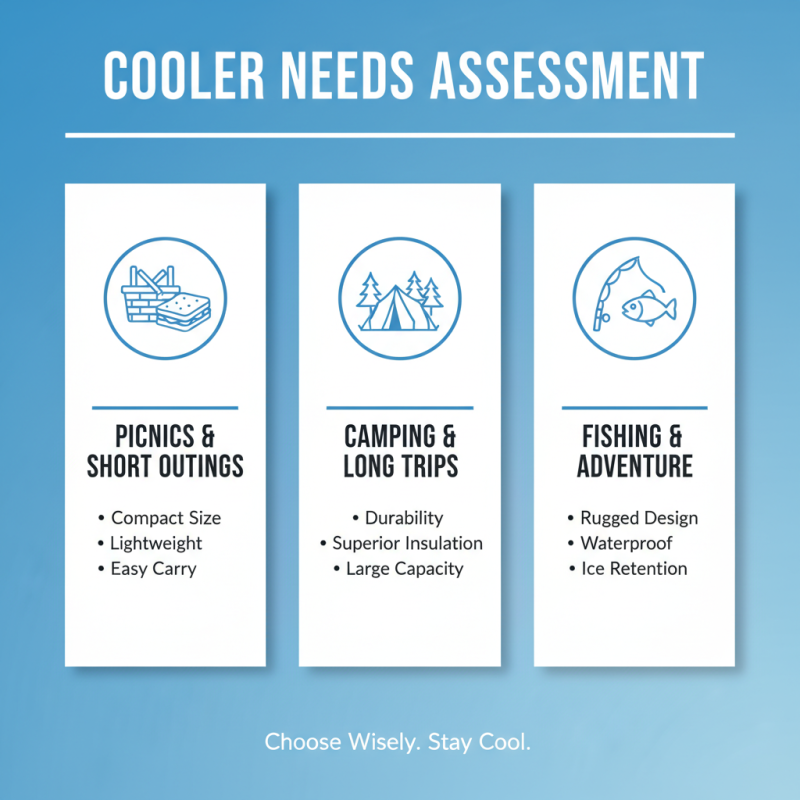
When selecting a cooler box, it's crucial to assess your specific cooling needs. Consider where and how you plan to use it. Is it for picnics, camping, or fishing trips? Each scenario demands different features. For short outings, a lightweight, compact cooler might suffice. If you’re heading on a multi-day camping expedition, durability and insulation become essential.
Think about the size and capacity you need. Will you be cooling drinks, food, or both? A smaller cooler might keep your beverages cold but won’t have the space for meals. Additionally, consider the weather conditions you'll face. In hot climates, superior insulation is non-negotiable. Reflect on your lifestyle, too. If you often host outdoor gatherings, a larger cooler could serve you better.
It’s important to recognize that picking the right cooler isn't just about size or brand. Look for features like ease of transport and cleaning. A cooler that fits well in your vehicle is a must. Ultimately, matching your cooler choice with your intended use can enhance your outdoor experiences. Adapt to your needs, and strive for a balance between functionality and convenience.
Comparing Different Types of Cooler Boxes and Their Features
Choosing the right cooler box can be challenging. Various types offer different features, each catering to specific needs. For instance, soft-sided coolers are lightweight and portable. They are ideal for picnics or day trips. Their flexibility allows easier packing, yet they may not hold ice as long as hard-shell types.
In contrast, hard coolers excel in insulation and durability. They are perfect for extended camping trips and can keep contents cold for days. Some models even include built-in features like bottle openers or dry storage compartments. However, their weight and bulk can be drawbacks for casual outdoor enthusiasts.
Insulated coolers bridge the gap between the two. They are versatile and can maintain temperature effectively. Yet, they might compromise on durability compared to hard options. It's essential to reflect on your specific use case and preferences. Will you prioritize weight and portability or superior cooling performance? Each type has unique pros and cons to consider.
How to Choose the Best Cooler Box for Your Needs? - Comparing Different Types of Cooler Boxes and Their Features
| Type |
Insulation Duration |
Capacity (Liters) |
Weight (kg) |
Ideal Use |
| Hard Cooler |
4-7 days |
20-70 |
5-10 |
Camping, Tailgating |
| Soft Cooler |
1-3 days |
5-25 |
1-3 |
Picnics, Short Trips |
| Electric Cooler |
Continuous |
20-40 |
3-10 |
Road Trips, RVs |
| Foam Cooler |
1-2 days |
10-40 |
1-2 |
Beach Trips, Casual Outings |
| Backpack Cooler |
1-3 days |
20-25 |
1-2 |
Hiking, Outdoor Adventures |
Assessing Size, Capacity, and Portability Requirements
When choosing a cooler box, assessing size, capacity, and portability is crucial. Research shows that
around 70% of outdoor enthusiasts prioritize these factors. Knowing how many items you
plan to store can guide your decision. A common mistake is underestimating space. Consider whether you'll pack drinks,
food, or both. A compact cooler may suffice for short trips, but longer excursions require greater capacity.
Portability often influences convenience. Many coolers weigh between 5 to 50 pounds. Heavier models can limit mobility.
Look for options with wheels or comfortable handles. A study indicates that 60% of users prefer lightweight designs.
Keep in mind that what seems portable might not be. Test lifting a cooler before purchasing. Consider your travel methods, too—hiking
versus driving impacts your choice.
Tips: Measure your gear before selecting a cooler. Ensure it fits in your vehicle or carries well.
Check for insulation types; better insulation translates to longer ice retention. Choose a size that meets your typical outing needs.
Picking the wrong size can lead to unnecessary frustration. Opt for a cooler that balances your needs for portability and capacity.
Evaluating Insulation Performance and Ice Retention
When selecting a cooler box, insulation performance plays a critical role. Effective insulation can significantly extend the ice retention time, keeping your contents cold for days. According to industry reports, high-quality coolers maintain ice for up to a week, while average models can drop to just a few days. Solid materials and proper design contribute to this difference.
Most coolers utilize different types of insulation, such as foam or vacuum-sealed layers. Effective foam can save about 15% more ice compared to others. However, not all foam types are created equal. Some may have gaps or poor density, leading to heat transfer and ultimately reducing ice life.
Moreover, a cooler’s construction significantly impacts insulation. Lids, seals, and hinges can allow air leakage. A recent survey highlighted that close to 30% of users reported poor lid sealing as a problem. Such issues should be addressed when considering a cooler. Reflecting on these aspects will help you make an informed decision tailored to your needs.
How to Choose the Best Cooler Box for Your Needs?
This chart illustrates the insulation performance and ice retention capacities of various cooler boxes based on independent evaluations.
Understanding Price Points and Budget Considerations
When choosing a cooler box, price is a key factor to consider. Cooler boxes come in various price ranges, from budget-friendly options to premium models. A report by Statista indicates that the average price of a high-quality cooler is around $150, while budget varieties can start as low as $30. Spending more often means better insulation and durability, but not always.
Understanding how often you will use the cooler is vital. Casual users may prefer basic models that offer sufficient insulation for day trips. Frequent campers or tailgaters might invest in advanced coolers. These options keep ice for up to a week but cost more. According to Outdoor Gear Lab, high-end coolers are designed for serious outdoor enthusiasts, reflecting a significant investment in quality.
Tip: Set a budget before you start shopping. This helps narrow down choices quickly. Consider your usage patterns. Ensure the cooler meets your needs without overspending.
Another consideration is the size and weight of the cooler. Larger models can be cumbersome. If you need portability, a smaller, lighter option may be better despite lower capacity. Not all high-priced coolers are energy efficient either. Look out for models that balance cost and functionality well.