China Top Cooler Box Green Options for Outdoor Adventures?
As outdoor adventures gain popularity, the demand for sustainable products increases. The Cooler Box Green market is evolving, focusing on environmentally friendly choices that cater to eco-conscious consumers. A recent report from Allied Market Research indicates the global cooler market could reach $4.8 billion by 2025, underscoring the rising consumer preference for green options.
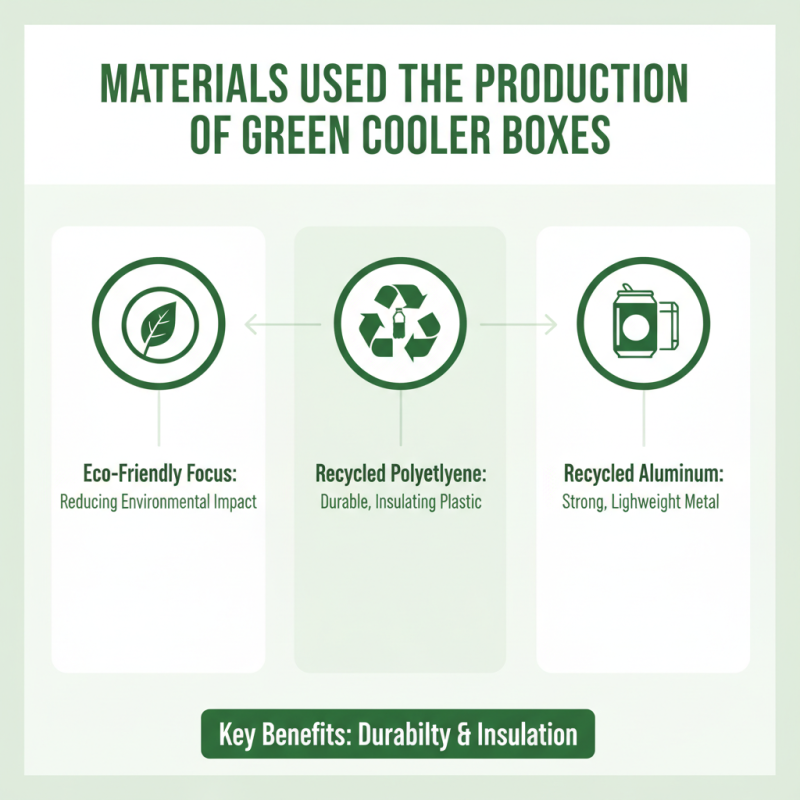
These innovative cooler boxes emphasize materials such as recycled plastics and bio-based foams. They aim to reduce environmental footprints while maintaining functionality. For instance, brands like Igloo and YETI have introduced models designed with energy efficiency in mind. These products reflect a growing awareness of sustainability in outdoor equipment.
However, challenges persist. Consumers may experience hesitation due to price differences or skepticism about performance. The balance between eco-friendliness and durability remains a topic for reflection. Amid these considerations, the Cooler Box Green solutions stand at the forefront, showing promise for a more sustainable outdoor experience.
Top Features to Consider in Eco-Friendly Cooler Boxes for Outdoor Use
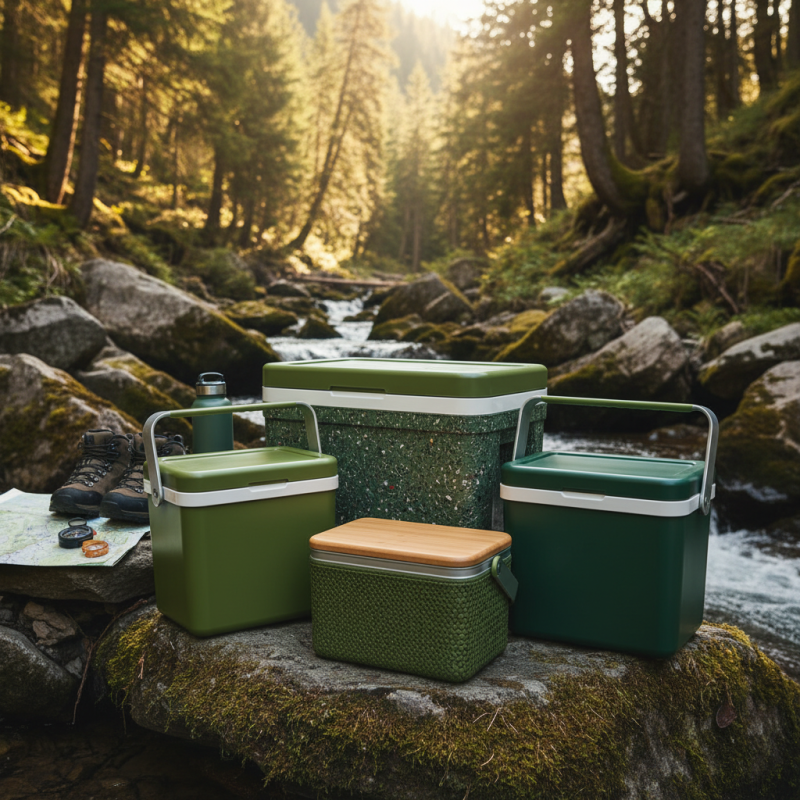
When selecting eco-friendly cooler boxes for outdoor adventures, it's vital to focus on impactful features. Durability is key. Many outdoor enthusiasts seek designs made from recyclable materials. Research indicates that 72% of consumers prioritize sustainable features when purchasing outdoor gear. This reflects a growing trend towards environmentally responsible choices.
Insulation performance is another critical feature. Effective insulation keeps food and drinks cold for extended periods. Studies show that some advanced options can maintain temperatures for over 5 days. However, some models fail to meet this standard, causing disappointment during long trips. Users should carefully evaluate temperature retention claims before purchase.
Weight is an often-overlooked aspect. Lighter coolers simplify transport, especially for hiking and camping. While larger models might promise more storage, their heft can become burdensome. Recent data suggests that 61% of users prefer carrying a lighter cooler, even if it means less capacity. Balancing size and weight is essential for a successful outdoor experience.
Popular Eco-Friendly Brands of Cooler Boxes in China
When it comes to outdoor adventures, having a reliable cooler box is essential. In China, many eco-friendly brands are leading the way. These brands focus on sustainable materials and energy-efficient designs. Users can enjoy the outdoors while reducing their environmental footprint.
One popular option is the cooler box made from recycled materials. These boxes not only keep drinks cold but also help divert plastic waste from landfills. Some models boast lightweight designs, making them easy to carry. However, durability may sometimes be an issue. A cooler that’s lightweight might not withstand rough handling during trips.
Many cooler brands emphasize insulation technology. Some products claim to keep ice for several days. Yet, some users find that performance can vary based on temperature and usage. It’s important to read reviews and seek advice from fellow outdoor enthusiasts. Balancing lightweight options with durability can be tricky, but it’s worth the effort for a memorable outdoor experience.
China Top Cooler Box Green Options for Outdoor Adventures
| Material |
Insulation Type |
Size (Liters) |
Weight (kg) |
Recyclable |
| Bamboo |
Foam Insulation |
30 |
3.0 |
Yes |
| Recycled Plastic |
Thermal Insulation |
50 |
5.5 |
Yes |
| Stainless Steel |
Vacuum Insulation |
25 |
4.0 |
Yes |
| Food-Grade Plastic |
PU Insulation |
40 |
4.5 |
Yes |
Energy Efficiency and Sustainability in Cooler Box Design
As outdoor adventures gain popularity, sustainability remains a key focus in cooler box design. Energy efficiency is essential for these products, especially with rising energy consumption in recent years. Reports indicate that cooler boxes contribute significantly to energy use during outings.
According to the International Energy Agency (IEA), energy consumed for cooling can be reduced by 30% with innovative designs and materials.
Many cooler boxes utilize advanced insulation, minimizing thermal transfer. This technology enhances ice retention, allowing for longer storage without excessive energy loss. Additionally, the use of recyclable materials in construction increases the product's lifespan and reduces waste. Industry studies show that consumers are increasingly inclined to choose eco-friendly options, driving manufacturers to prioritize sustainable practices.
Tips: When selecting a cooler box, look for designs that highlight energy efficiency ratings. Always consider materials that are easily recyclable. Evaluate features like multi-layer insulation to ensure longer-lasting performance. Choosing the right cooler not only benefits you but also supports the environment.
Comparative Analysis of Price and Performance for Outdoor Cooler Boxes
When it comes to outdoor adventures, choosing the right cooler box can make a significant difference. A recent study showed that consumers prioritize both price and performance. Most outdoor enthusiasts prefer a cooler that offers good insulation while being cost-effective. According to industry data, premium cooler boxes perform well at keeping ice intact for up to 10 days. However, the initial investment can be substantial, often exceeding $300.
On the other hand, more economical options are available, typically ranging from $50 to $150, but they may only keep ice for 1-3 days. Performance suffers, but these options are lighter and easier to carry. An industry report highlights that 70% of casual campers opt for these budget-friendly models. Yet, users often report dissatisfaction with ice retention during hot summer months. This illustrates a common dilemma—balancing affordability with functionality remains a challenge for many.
The growing trend of eco-friendly materials also influences consumer choices. Many brands now offer coolers made from recyclable materials. However, these models often fall short in performance compared to traditional options. As sustainability gains importance, the question arises—can outdoor enthusiasts find a cooler that meets both environmental and performance standards? This evolving market continues to reflect the need for innovation and improvement.