What Is a Catering Cooler Box and How Does It Work?
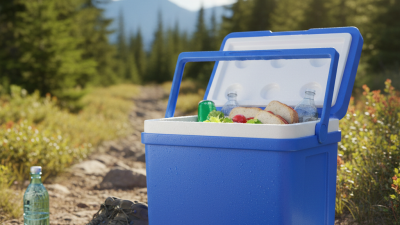
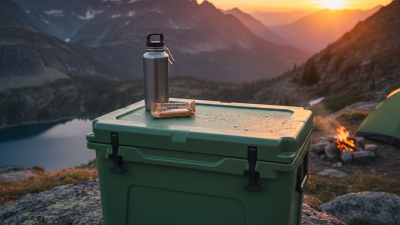
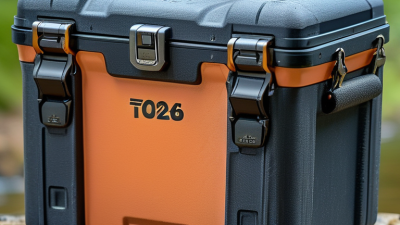
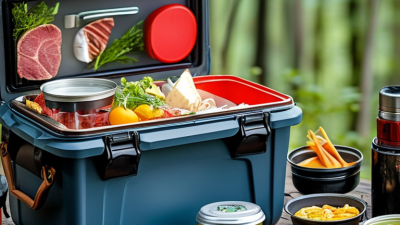
A Catering Cooler Box is a portable insulated container designed to protect prepared food during transport, service, and temporary storage. It helps maintain a stable internal temperature when meals travel between kitchens, venues, offices, and outdoor events. Unlike an ordinary storage box, it is built around thermal control, secure handling, and practical catering demands.
The basic design is simple. Thick insulation slows heat movement through the walls, lid, and base. Ice packs, gel packs, or other approved cooling materials absorb incoming heat. Cold air stays inside longer when the lid fits tightly and remains closed. Some models also use removable shelves, drainage plugs, carrying handles, or food-safe internal liners. These details matter when a box contains stacked trays, sauces, or delicate desserts.
A reliable cooler does not create cold by itself. It only preserves existing temperature conditions. That distinction is easy to miss. Food should be chilled properly before loading, and the box should not be opened unnecessarily. In professional practice, staff may use a clean thermometer to check the internal temperature during delivery and service. Exact requirements can vary by food type and local guidance, so manufacturers’ instructions and recognized food-safety standards deserve attention. Capacity ratings can also be optimistic when trays are tightly packed. This guide explains how a Catering Cooler Box works, where its design performs well, and which small handling mistakes can reduce its effectiveness. The goal is practical understanding, not exaggerated promises.
Definition and Purpose of a Catering Cooler Box
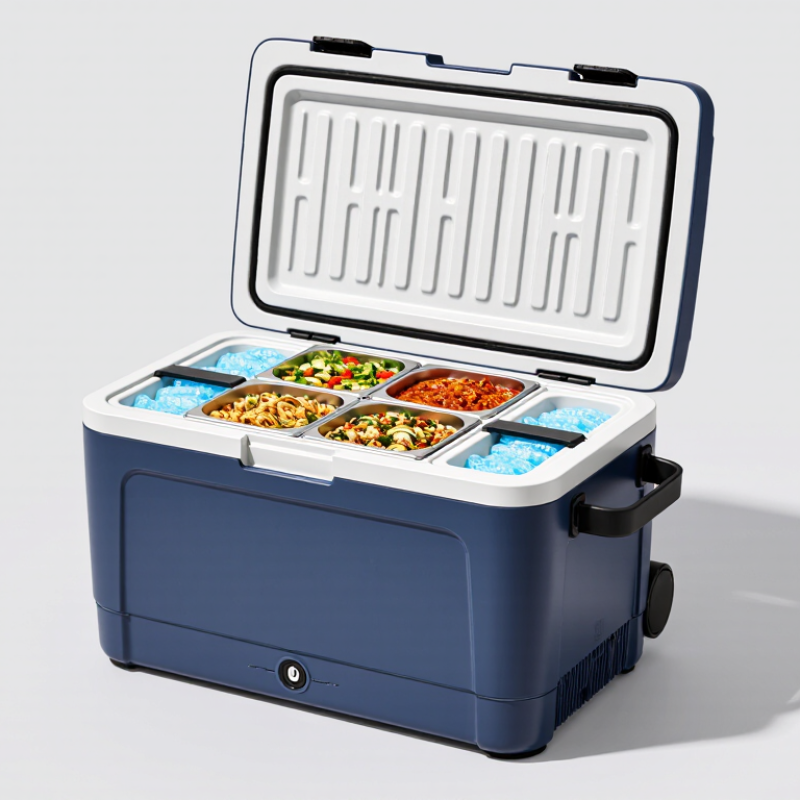
A catering cooler box is an insulated container designed to protect prepared food during transport and temporary service. Its purpose is more specific than ordinary storage. It slows heat exchange, helping cold dishes remain cold and hot dishes lose heat more slowly. Most models use rigid insulation, a tight lid, and removable ice packs or chilled gel packs. Some include separate compartments for food, drinks, and utensils.
In catering work, the box creates a controlled buffer between the kitchen and the serving table. A salad placed inside at 4°C can stay safer for longer when the container is pre-chilled and opened only when necessary. The box does not produce cold by itself. It preserves the temperature already created by refrigeration or heating equipment. That distinction matters. Many users expect too much from insulation.
Packing technique affects performance. Cold food should be sealed in shallow containers, with empty spaces reduced and chilled packs positioned around the load. Hot food needs suitable heat-retaining containers, not loose wrapping alone. Raw ingredients should remain separated from ready-to-eat dishes. I have found that a simple temperature log often reveals mistakes, especially when a box is opened repeatedly. Even a strong cooler can fail when overloaded, left in direct sunlight, or cleaned carelessly. The design helps, but handling still controls reliability.
How a Catering Cooler Box Preserves Food Temperature
What Is a Catering Cooler Box and How Does It Work?
A catering cooler box preserves food temperature by slowing heat transfer. Its insulated walls resist outside warmth, while chilled packs absorb incoming heat. A tightly sealed lid limits warm air exchange. Pre-cooling the box improves performance before food enters it. Cold food matters more than appearance.
The USDA Food Safety and Inspection Service advises keeping perishable food at 40°F (4°C) or below. The FDA Food Code 2022 uses 41°F (5°C) as a cold-holding limit. These figures show why a cooler box needs regular temperature checks.
Put a probe thermometer near the food, not against an ice pack. Temperature changes faster near the lid and corners. A full box usually holds cold longer, but overcrowding can block airflow. That detail is easy to miss.
Tips:
Chill the container first. Use several cold packs around the food. Keep raw ingredients sealed and separate from ready-to-eat items. Open the lid briefly.
In real catering work, perfect temperature control is unlikely. I would not trust the advertised holding time without testing it under local heat, sunlight, and opening frequency. Record readings during service, even when the box feels cold.
Step-by-Step Guide to Packing and Using the Cooler
What Is a Catering Cooler Box and How Does It Work?
A catering cooler box is an insulated container for transporting and holding perishable food. Its thick walls slow heat transfer from warm surroundings. Ice packs absorb incoming heat while keeping food temperatures stable. Before packing, wash the interior and dry it completely. Pre-chill the box with frozen packs for about 30 minutes. A warm container can shorten the safe holding time.
Pack dense, cold foods first, such as sealed meat trays and dairy containers. Place chilled packs around the sides, underneath, and above the food. Keep raw ingredients sealed and separated from ready-to-eat items. Fill empty spaces with additional cold packs or clean, food-safe material. Do not overfill the box. Air still needs to move around the contents. The lid should close firmly without crushing packages.
Keep it closed.
Use a calibrated thermometer, not your hand. The FDA Food Code 2022 recommends holding cold food at 41°F (5°C) or below. USDA FSIS guidance identifies 40°F to 140°F as the bacterial danger zone. USDA also advises discarding perishables left above 40°F for over two hours, or one hour above 90°F. Record temperatures when loading, delivering, and serving. In practice, I sometimes check too late, after opening the lid repeatedly. That habit needs correction. A cooler can feel cold while food near the center is already warming. Replace melting packs promptly, and inspect damaged seals before every service.
Cleaning, Safety Practices, and Proper Maintenance
What Is a Catering Cooler Box and How Does It Work?
A catering cooler box is an insulated container that slows heat transfer. It keeps prepared food and drinks cold during transport or service. Thick walls, tight seals, and chilled packs help maintain a stable internal temperature. A cooler does not create cold air. It preserves the cold already inside. Use a clean probe thermometer to check the center, not just the lid area. Perishable food should remain at or below 5°C (41°F), unless local guidance requires a stricter limit.
Cleaning must happen after every use. Remove food particles from corners, hinges, and drainage plugs. Wash the interior with warm water and mild detergent, then rinse thoroughly. Apply a food-safe sanitizing solution according to its instructions. Leave the lid open until every surface is completely dry. Moisture trapped inside can create unpleasant odors and support microbial growth. I sometimes recheck the bottom seam, because it is easy to overlook.
Tips:
Pre-chill the cooler before loading it. Place cold packs around, not only beneath, the food. Keep raw ingredients sealed and separate from ready-to-eat items. Limit lid opening during service. Do not overload the box, since cold air needs space to circulate. Inspect cracked insulation or damaged seals before use. A small leak may seem harmless, but it can quickly affect temperature control. Record cleaning and temperature checks when several staff members share responsibility. Controls help, though they are not perfect.