What Is the Best Roto Molded Cooler Box from China?
Choosing the best Roto Molded Cooler Box from China requires more than comparing prices and logo options. It demands practical inspection. A reliable cooler should have uniform walls, dense insulation, a tight gasket, and strong hinges. The lid should close evenly, without twisting or visible gaps. A well-designed drain plug also matters during outdoor use. Small details become important after several hours in heat.
Paul Nugent, a respected rotational-molding consultant and educator, offers a useful principle: “Design for the process, not against it.” This idea applies directly to cooler production. Rotational molding can create seamless, impact-resistant shells, but poor mold design may cause thin corners, weak handles, or inconsistent dimensions. Buyers should ask Chinese manufacturers about polyethylene grades, foam insulation density, mold maintenance, and production tolerances. Factory experience matters. So does transparent communication.
The strongest supplier should provide material documentation, sample testing, and clear inspection records. Check ice-retention performance under realistic conditions, not only laboratory claims. Test the cooler after opening the lid repeatedly. Carry it when fully loaded. Examine the drain and gasket afterward. Some buyers focus too heavily on appearance. That can be a mistake. A glossy finish cannot repair weak hardware.
There is no perfect model for every user. Marine professionals need different features from weekend campers. Even experienced buyers may overlook cleaning access or replacement parts. This guide compares key specifications, factory capabilities, and long-term usability. The goal is practical confidence, not an impressive catalog promise.
What Defines a High-Quality Roto Molded Cooler Box?
What Is the Best Roto Molded Cooler Box from China?
What Defines a High-Quality Roto Molded Cooler Box?
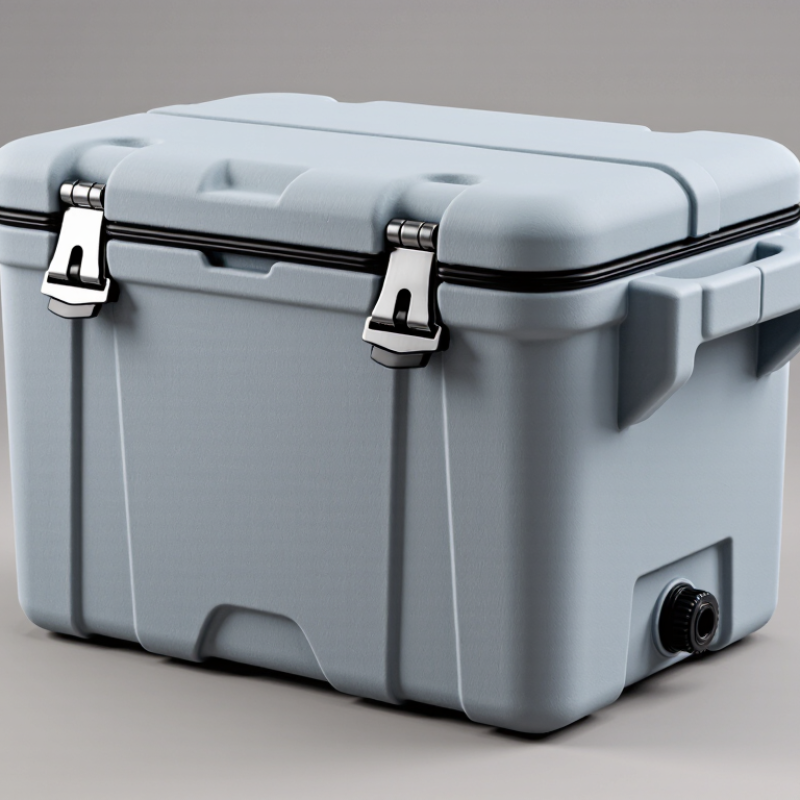
A high-quality roto molded cooler box begins with consistent wall thickness and dense insulation. During product inspections, I check corners first because weak molding often appears there. The shell should resist twisting when pressed by hand. It should also use UV-stabilized polyethylene for outdoor exposure. Color alone proves nothing. Material specifications and batch records matter more.
The lid must close evenly around the entire gasket. A practical test uses paper placed between the lid and seal. If the paper pulls out easily, cold air may escape. Good hinges should open smoothly without excessive side movement. Strong latches need secure pressure, but they should not require painful force. Small details reveal manufacturing discipline.
Drain plugs deserve attention too. They should seal firmly and remain easy to remove with wet hands. Stainless steel hardware can reduce corrosion, although poor installation still creates problems. A cooler may look impressive yet perform poorly if the insulation is uneven. I have seen attractive samples fail after repeated lid testing. That is why reliable suppliers should provide temperature tests, impact checks, food-contact documentation, and traceable production information. Capacity claims also need caution. Internal measurements often differ from advertised volume. A high-quality box balances thermal retention, durability, cleanability, and practical weight. It is not automatically better because it is heavier.
How Chinese Cooler Box Manufacturers Compare in Key Features
What Is the Best Roto Molded Cooler Box from China?
The best roto molded cooler box depends on how manufacturers balance insulation, durability, and production control. During factory evaluations, I check wall thickness, lid alignment, gasket compression, and hinge strength. These details affect ice retention and daily handling. A thick shell alone proves little. Poorly fitted lids can waste cold air quickly.
Chinese cooler box manufacturers often compete through different strengths. Some offer dense foam insulation and strong UV-resistant shells. Others focus on lighter designs, custom colors, or lower minimum order quantities. Look for food-contact-safe inner liners, rust-resistant hardware, and reliable drainage plugs. Ask for test records, material specifications, and inspection photos before ordering. One overlooked issue is consistency between samples and mass production. The first sample may look excellent, while later units vary slightly. That deserves attention.
Tips:
Compare insulation thickness, gasket quality, hinges, and drain design together. Request a drop test and a temperature-retention report. Check whether the factory can repeat the same result. A cooler that survives one demonstration is not automatically dependable. I would also inspect packaging, because damaged corners can appear before the product reaches your warehouse. Some buyers focus too much on appearance. That is an easy mistake. A practical evaluation should include weight, cleaning access, latch pressure, and replacement-part availability. Pricing matters, but unstable quality can cost more than expected.
Which Materials and Insulation Standards Matter Most?
When choosing a roto molded cooler box from China, material selection matters more than glossy hardware. The outer shell should use food-contact-grade LLDPE or HDPE, with consistent wall thickness and no visible weld lines. LLDPE usually handles impact better, while HDPE can offer higher stiffness. Ask for resin documentation, migration testing, and batch traceability. A low-cost shell is not a bargain if the lid twists after repeated transport.
Insulation deserves closer attention. The U.S. Department of Energy’s insulation data commonly places closed-cell polyurethane near R-6.0 to R-6.5 per inch, while expanded polystyrene is often near R-3.6 to R-4.2. This difference affects ice retention, but foam density and filling quality also matter. More foam is not always better. Voids around corners can create warm paths, even with thick walls. ASTM F2873 offers a practical framework for evaluating portable insulated containers, including temperature-retention performance and construction quality.
The gasket is easy to ignore. It should compress evenly around the full lid perimeter. Food-contact surfaces should align with applicable requirements such as EU Regulation 1935/2004 or FDA food-contact provisions, depending on the destination market. EN 12546-2 can also help assess insulated container performance. Request test temperatures, loading methods, opening frequency, and ambient conditions. Results without these details are weak evidence. Real testing in a hot warehouse may expose flaws that laboratory photographs never show.
How to Evaluate Capacity, Durability, and Portability
What Is the Best Roto Molded Cooler Box from China?
When evaluating a roto molded cooler box, start with usable capacity, not the advertised volume. Thick insulation and rounded corners reduce interior space. Measure the inside after checking the lid seal and basket arrangement. A box listed at 60 liters may hold fewer drinks than expected. Bring a ruler to sample inspections. It prevents guesswork.
Durability depends on more than heavy plastic.
Check whether the walls have consistent thickness and clean molding lines. Inspect hinges, latches, drain plugs, and handle mounts under repeated movement. During hands-on evaluations, I prefer lids that close firmly without excessive force. A loose gasket can waste cooling performance. It is easy to miss. Ask for drop-test records, temperature-retention data, and material details from the supplier. Test samples yourself when possible, because factory documents may not reflect every production batch.
Portability becomes critical when the cooler is full.
Calculate the loaded weight, not just the empty weight. Wide handles help two people carry it, while sturdy wheels suit longer paths. However, large wheels can increase storage height and shipping costs. I once favored maximum insulation and later found the box awkward in a vehicle. That choice needed reconsideration. Compare wheel clearance, grip comfort, drain access, and tie-down points. A reliable Chinese supplier should provide consistent samples, clear measurements, inspection support, and responsive answers about replacement parts.
What to Check Before Choosing a Chinese Cooler Box Supplier
What Is the Best Roto Molded Cooler Box from China?
What to Check Before Choosing a Chinese Cooler Box Supplier
Choosing a Chinese cooler box supplier requires more than comparing prices. Inspect the factory’s roto molding process, material controls, and quality records. Ask whether they use certified food-contact plastic and request current test documents. Do not accept vague claims. Ask for evidence.
Request a physical sample before placing a large order. Check wall thickness, lid alignment, hinge strength, drain fitting, and gasket compression. Fill the box with ice and measure temperature changes over several hours. Details matter. Also compare the sample with approved production drawings. A small design change can affect insulation performance.
Review the supplier’s minimum order quantity, production schedule, packaging method, and export experience. Confirm who pays for mold changes, replacement parts, and defective units. Reliable suppliers should explain their inspection stages, from raw material intake to carton loading. Video calls help, but an independent factory audit provides stronger evidence. References from similar buyers can reveal problems hidden during sales discussions.
Be careful with impressive test reports. Check the issuing laboratory, test date, product model, and tested material. Documents may not match your final cooler. I would also leave time for one correction round, because early samples are rarely perfect. Clear drawings, signed specifications, and inspection photos reduce costly misunderstandings. Still, communication can fail across languages and time zones. Build that risk into your purchasing plan.
What Is the Best Roto-Molded Cooler Box from China?
Typical thermal conductivity of cooler construction materials — lower values generally indicate better insulation performance.
Rigid polyurethane foam usually provides stronger insulation than EPS or EPP because it has lower thermal conductivity. When evaluating a Chinese cooler box supplier, request the insulation material specification, density, wall-thickness drawing, temperature-retention test method, and independent test reports. The values shown are typical published ranges at room temperature and should be verified against the supplier’s actual production sample.