Best Plastic Insulated Ice Box for Your Needs?
Choosing the best Plastic Insulated Ice Box can seem overwhelming. With numerous options available, how do you know which one suits your needs? Industry expert Sarah Jennings emphasizes, "A high-quality ice box can transform your outdoor experience." Her insight highlights the importance of selecting the right product.
Plastic Insulated Ice Boxes are not just for camping; they serve multiple purposes. Whether it's a weekend picnic, beach outing, or a long road trip, their functionality is unmatched. However, not all ice boxes perform equally. Some may not keep ice as long as advertised. This can lead to disappointment during your adventures.
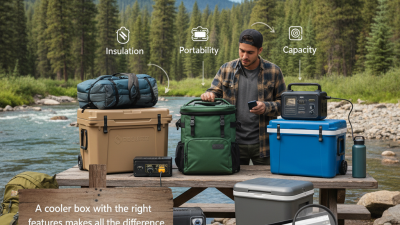
Understanding the features that matter can make a significant difference. Look for insulation quality, durability, and ease of transport. In a market crowded with choices, it's crucial to research and consider what best fits your lifestyle. Your ideal Plastic Insulated Ice Box should provide reliability while meeting your specific needs.

Understanding Plastic Insulated Ice Box Materials and Construction Techniques
When choosing a plastic insulated ice box, understanding materials and construction is essential. A well-designed ice box can significantly impact its performance. High-density polyethylene (HDPE) is a common material due to its durability and resistance to impact. It's lightweight, making it easy to transport. However, not all models use HDPE, which might mean compromised longevity. Some cheaper options may not offer the necessary insulation.
The construction techniques also play a crucial role in efficiency. Rotomolding is a popular method often associated with high-quality ice boxes. This technique ensures a thicker wall, which improves insulation. However, some ice boxes may not use this method, leading to weaker thermal retention. It’s vital to examine the design closely. The seal of the lid should also be a focal point. A poor seal can allow cold air to escape, negating insulation efforts.
Consider the thickness of the walls as well. Thicker walls typically improve insulation, but this can add weight. Some may prefer a lightweight option for easier handling. It’s a balancing act between convenience and functionality. Each option has its pros and cons. Ensuring you choose a well-constructed ice box requires careful thought and assessment of your specific needs.
Key Features to Consider When Choosing a Plastic Insulated Ice Box
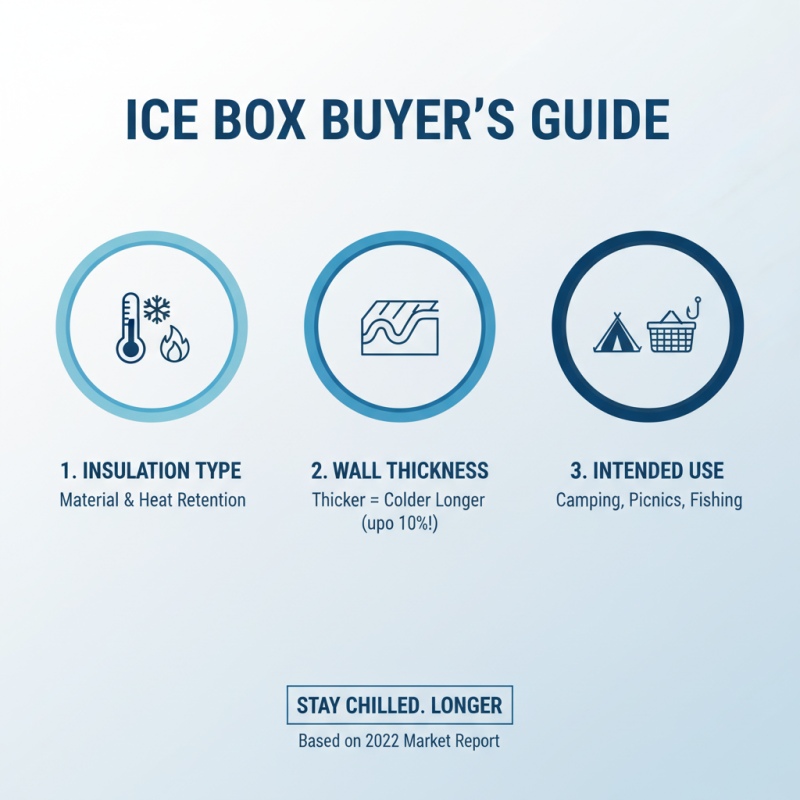
When selecting a plastic insulated ice box, several key features should be carefully evaluated. The insulation material plays a vital role in heat retention. Effective insulation can maintain temperatures for extended periods, reducing the need for frequent ice replenishment. A 2022 market report indicated that models with thicker walls can keep contents cold up to 10% longer than those with standard insulation. This distinction is crucial for outdoor enthusiasts or anyone needing reliable performance for camping or picnics.
Portability is another essential consideration. Features like sturdy handles and lightweight designs enhance convenience. According to a recent survey, nearly 70% of users prefer ice boxes that are easy to carry, especially during outdoor activities. Additionally, the size and storage capacity of the ice box should align with your needs. A family outing may require a larger capacity, while a smaller box suffices for individual use. Finding balance in design and practicality often leads to better user experiences.
Durability is equally important. The material should withstand various conditions, such as UV exposure and impact. Reports suggest that users often overlook potential wear and tear. Many plastic ice boxes, despite their appealing price points, may not endure harsh environments. Opting for models with reinforced materials can mitigate these concerns. The right choice results in a reliable and long-lasting ice box, enriching your outdoor adventures.
Comparative Analysis of Top Plastic Insulated Ice Boxes on the Market
When evaluating plastic insulated ice boxes, key features matter significantly. Capacity is essential for various needs. Larger models suit family outings, while smaller ones fit personal trips. Insulation thickness plays a vital role in maintaining temperature. Thicker insulation usually offers better retention of heat and cold.
Materials used in construction impact durability and weight. Lighter models are easier to transport but may sacrifice longevity. Color choices may appeal to personal style, but darker colors may absorb more heat in sunny environments. It's worth noting that not all ice boxes claim identical performance levels. Some might falter in extreme conditions.
Customer reviews provide invaluable insights into real-life performance. Many users highlight the importance of sealing mechanisms. A poor seal greatly reduces insulation effectiveness. Users should also consider ease of cleaning. Sometimes, the best option requires balancing multiple factors. Each user's needs are unique. Finding that perfect balance can be challenging.
Performance Metrics: Insulation Efficiency and Temperature Retention Data
When choosing a plastic insulated ice box, understanding insulation efficiency is crucial. A well-insulated ice box can significantly extend the cooling period. Select a box with thick walls, which helps maintain lower temperatures. Look for models that report temperature retention data. This information reflects how long the box can keep ice from melting.
Temperature retention varies greatly among different designs. Some models may promise long-lasting coolness but fail to deliver in real situations. Real-life tests show discrepancies between advertised performance and actual results. Even expert reviews can be misleading. Therefore, consider user feedback and performance metrics from multiple sources.
Remember, not all materials provide the same insulation quality. Traditional foam may offer decent insulation, but newer materials could excel. Experiment with different styles to determine what works best for your needs. Investigate the thickness and quality of the seal as well. A poor seal can drastically impact efficiency. Balancing insulation, size, and weight is essential in your selection process.
Best Plastic Insulated Ice Box for Your Needs? - Performance Metrics: Insulation Efficiency and Temperature Retention Data
| Model |
Insulation Efficiency (°F) |
Temperature Retention (Hours) |
Capacity (Quarts) |
Weight (lbs) |
| Model A |
25°F |
48 hours |
50 |
10 |
| Model B |
30°F |
36 hours |
40 |
8 |
| Model C |
27°F |
50 hours |
65 |
12 |
| Model D |
22°F |
40 hours |
30 |
6 |
| Model E |
29°F |
52 hours |
80 |
14 |
User Reviews and Ratings: Real-World Experiences with Plastic Ice Boxes
When exploring user reviews of plastic insulated ice boxes, many real-world experiences come to light. Users often highlight how essential insulation quality is for effective cooling. Some found that specific models keep ice for days, while others struggled with quicker melting. These discrepancies often stem from differences in design and material thickness.
Reviewers frequently mention the ease of transport. Many appreciate ergonomic handles that make carrying simpler. However, some users express frustration; they struggled with bulky sizes that were hard to maneuver. Another common point of discussion is durability. Certain boxes resist wear and tear, while others show signs of damage after minimal use. A few users have had to replace their models within a year, raising questions about long-term reliability.
Customers also reflect on additional features. Some appreciate built-in cup holders, while others feel these are unnecessary. The consensus seems to swing towards functionality over extras. A key takeaway from these reviews is the need for personal considerations. What works for one person may not suit another’s lifestyle. Such insights can guide potential buyers in making informed choices.