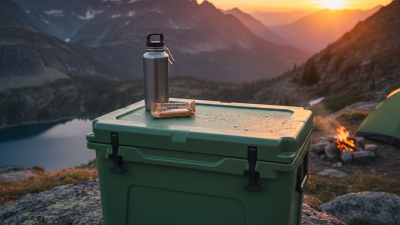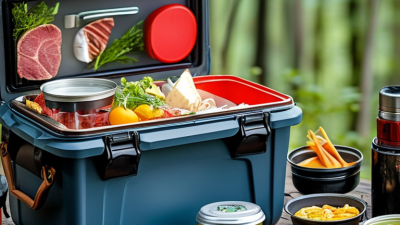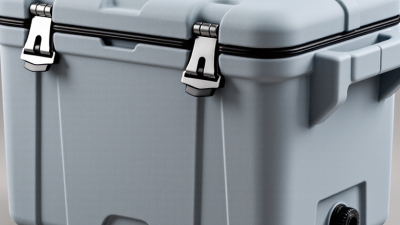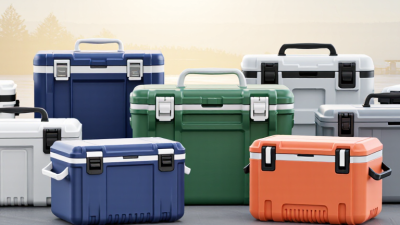
Choosing the right Picnic Cooler Box is no longer just a matter of size or color. Global buyers now compare insulation performance, food safety, portability, durability, and value. The 2024 Outdoor Participation Trends Report from the Outdoor Industry Association recorded 175.8 million U.S. outdoor participants in 2023. That figure signals strong demand for dependable equipment, although it does not represent every international market.
Temperature control matters most. The USDA recommends keeping cold food at 40°F (4°C) or below. It also advises discarding perishable food left above safe temperatures for more than two hours. The U.S. Food and Drug Administration offers similar guidance. These standards help explain why thick insulation, tight seals, and effective drainage deserve more attention than fashionable design.
Dr. Donald W. Schaffner, a food-safety expert at Rutgers University, states, “You can’t tell if a food is contaminated by looking at it, smelling it, or tasting it.” That warning should influence every purchasing decision. A clean interior and reliable closure are practical safeguards, not minor extras.
This guide examines ten leading cooler boxes for international buyers. We consider capacity, insulation, materials, carrying comfort, cleaning effort, and realistic outdoor use. A model may perform well at a beach but struggle during a long vehicle journey. Some specifications also depend on testing conditions and marketing claims. That deserves skepticism.
Small details matter. Think of melting ice, wet hands, crowded trunks, and uneven picnic ground. The best choice balances performance with local availability, replacement parts, shipping practicality, and budget. No cooler is perfect. However, careful comparison can prevent warm lunches, damaged goods, and disappointing purchases.
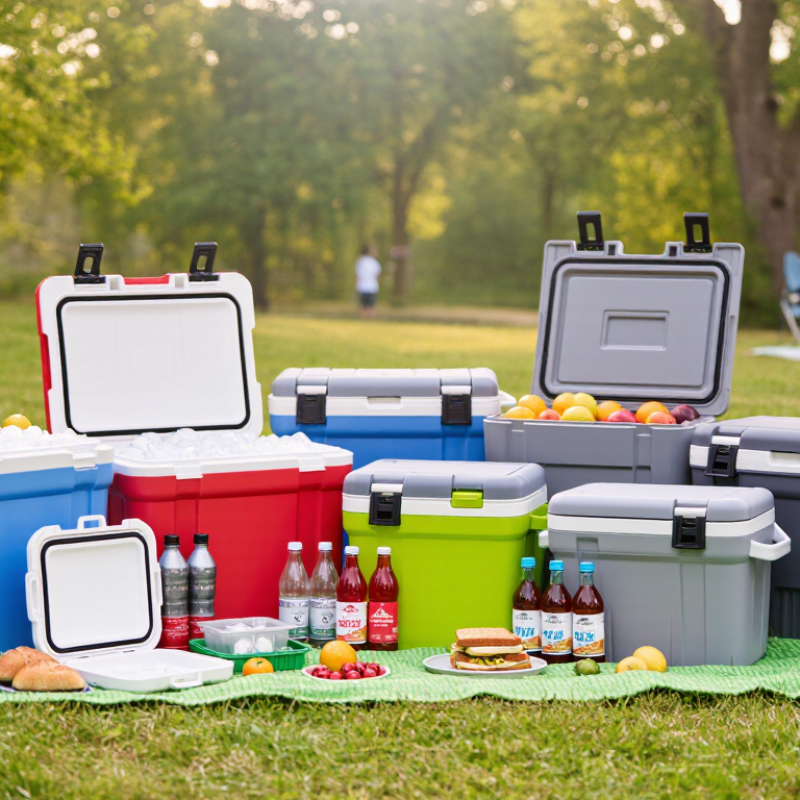
A picnic cooler box suitable for global buyers must perform in different climates, travel conditions, and family routines. Insulation matters, but advertised ice retention can be misleading. Heat, opening frequency, and ice size change results. A dependable cooler should keep contents cold for a practical day outdoors, not only in controlled testing.
Material safety is equally important. Choose food-contact materials with clear documentation and odor-resistant liners. Strong seams, a reliable lid seal, and a leak-resistant interior reduce problems during transport. Easy cleaning also matters. A removable liner or wide opening helps users wash away melted ice and food residue. Check local requirements, because accepted testing standards differ between markets.
Portability can decide whether a cooler gets used. Comfortable handles, balanced weight, and a compact shape help on trains, beaches, and uneven paths. Wheels may help large models, but they can add bulk and fail on sand. I once preferred a lightweight box, then found its thin handle uncomfortable after a long walk. That experience changed my priorities. No cooler is perfect. Buyers should compare capacity, empty weight, replacement-part access, and packaging quality before ordering internationally. Clear dimensions in both metric and imperial units also prevent costly misunderstandings.
The chart compares ten practical cooler-box profiles using a transparent 100-point suitability model. Scores consider insulation performance, useful capacity, portability, leak resistance, durability, and international shipping practicality. A higher score indicates a better overall fit for diverse global buying needs.
Evaluation framework: insulation 25%, capacity 20%, portability 20%, leak resistance 15%, durability 10%, and shipping practicality 10%. The profiles are generic product categories rather than company or brand data.
When comparing the 10 Best Picnic Cooler Boxes for Global Buyers, insulation should lead the checklist. The USDA FSIS identifies 40°F to 140°F as the food-safety danger zone. Therefore, buyers should examine insulation thickness, gasket quality, and lid sealing. A strong model also needs dependable thermal retention, not merely a low listed price. Look for test results showing cooling performance over 24 hours. However, laboratory results may differ under direct sunlight, repeated opening, or humid travel conditions.
Capacity requires careful judgment. A 20-liter box may suit two people for lunch, while larger groups need separate space for drinks and food. Measure internal dimensions, not only advertised volume. Check handle strength, hinge construction, drainage plugs, and wheel stability. The Outdoor Industry Association’s 2024 participation report recorded 175.8 million U.S. outdoor participants, showing how frequently portable equipment faces varied terrain. Still, that figure does not prove every cooler works well globally. Climate, transport habits, and local food packaging can change performance.
Tips: Choose reusable ice packs with a compatible shape. Pre-chill the box overnight. Keep raw foods sealed separately. Check whether materials meet local food-contact requirements. A perfect cooler does not exist. Buyers should compare verified test data with real user experience, then accept some practical compromise.
10 Best Picnic Cooler Box Types for Different Outdoor Needs
Choosing the best picnic cooler box depends on distance, weather, food volume, and transport. A soft-sided cooler suits short walks and light lunches. A hard-shell cooler offers stronger insulation for full-day trips. Personal coolers fit one meal, while family-size boxes hold drinks, fruit, and prepared dishes. A backpack cooler keeps both hands free on trails. Wheeled models help when carrying heavy loads across parks or beaches. Collapsible coolers save storage space after use. Insulated lunch boxes work well for offices and school outings. Electric coolers support longer journeys when a suitable power source is available. Marine-style coolers resist damp conditions, although they may add unnecessary weight.
Tips: Check the internal capacity, empty weight, handle strength, and insulation thickness. Separate raw ingredients from ready-to-eat food. Use sealed containers to prevent leaks. Pre-chill the cooler and reduce opening time. In warm weather, a thermometer helps maintain safer food temperatures. Do not assume a large box always performs better; a half-empty cooler may lose cold air quickly.
Global buyers should also inspect materials, drainage design, closure quality, and cleaning access. A cooler with awkward corners can trap food residue. That detail is easy to miss. Reusable ice packs are convenient, but their cooling duration varies. I would compare actual trip length with the stated performance, because advertised results may reflect ideal conditions. A simple, well-fitted cooler often proves more useful than a feature-heavy model.
Choosing among the 10 best picnic cooler boxes requires more than comparing capacity or appearance. Global buyers should match each model to local habits, climate, transport, and retail expectations. A compact 12-liter box may suit urban shoppers with short travel times. Larger families may need 30 liters, but oversized coolers can become difficult to carry.
Climate matters greatly. Hot, humid markets need thick insulation, tight lid seals, and handles that resist slipping. In cooler regions, weight, storage space, and easy cleaning may matter more. Check the internal shape carefully. A tall box may hold bottles well, while a wide box can fit meal containers and ice packs. Test the seal.
Material choices also affect market suitability. Food-contact surfaces should be easy to wash and resistant to staining. Hinges, latches, and wheels deserve practical inspection because small failures often create customer complaints. Drain plugs can help frequent users, but they may add another part that needs maintenance. Keep it simple.
Packaging and after-sales support influence buying decisions across borders. Confirm carton strength, product dimensions, and storage instructions before shipment. Local sellers may prefer stackable designs with clear capacity labels. Avoid assuming one feature works everywhere.
I once underestimated how strongly shoppers value a lightweight handle over extra insulation. That assumption needed correction. Buyer interviews, sample testing, and seasonal feedback provide stronger evidence than catalog images alone. Test the box with ice, drinks, and food containers before approving a model for a specific market.
A picnic cooler box performs best when it is clean, dry, and packed with a plan. Wipe the interior after every outing with mild soap and fresh water. Leave the lid open until all moisture disappears. Damp corners can develop unpleasant odors. Check the zipper, hinges, handles, and insulation before a long trip. Small damage becomes expensive when ignored.
Pre-chill the cooler and food before loading it. Use sealed ice packs to reduce leaks and keep raw ingredients separate from ready-to-eat food. Fill empty spaces with smaller packs, but do not force the lid closed. During transport, keep the box upright and secure it against movement. Avoid direct sunlight, especially inside a parked vehicle. A light-colored cover can help, though it is not a complete solution. I once trusted a tightly closed cooler for too long, and warm food spoiled before lunch. That mistake changed how I check temperatures.
Sustainable use depends on repeated service, not quick replacement. Choose a durable box that matches your usual group size. An oversized cooler wastes storage space and often needs more cooling material. Wash reusable containers instead of relying on disposable bags. Repair a loose strap or damaged seal when practical. Do not burn or discard insulation carelessly. Check local recycling guidance before disposing of plastic parts. Some materials look recyclable but are not accepted everywhere. Carrying the cooler for many seasons usually matters more than choosing the newest design.
| No. | Cooler Box Type | Typical Capacity | Typical Empty Weight | Insulation and Construction | Best For | Care and Cleaning | Transport Features | Sustainable Use Guidance |
|---|---|---|---|---|---|---|---|---|
| 1 | Compact Personal Soft Cooler | 8–12 L | 0.5–1.2 kg | Foam insulation with a water-resistant textile exterior and insulated liner. | One person, short outings, snacks, and drinks. | Hand wash the liner Air-dry fully with the lid open; do not store while damp. |
Shoulder strap or short carry handles; folds for storage when empty. | Reuse for many trips Repair small fabric or strap defects instead of replacing the whole cooler. |
| 2 | Insulated Picnic Tote | 15–20 L | 0.7–1.5 kg | Flexible foam insulation, coated fabric, zip closure, and a removable food-safe liner in many designs. | Family lunches, farmers’ market shopping, and urban picnics. | Wipe spills promptly Use mild soap and lukewarm water; avoid abrasive brushes. |
Comfortable handles, lightweight construction, and easy placement in a car or bicycle basket. | Use reusable containers Choose a replaceable liner and avoid single-use plastic bags. |
| 3 | Family Soft-Sided Cooler | 25–35 L | 1.3–2.5 kg | Multi-layer foam insulation with a reinforced fabric shell and leak-resistant internal lining. | Day trips for approximately 3–5 people. | Clean after every trip Remove the liner when possible, wash gently, and dry completely before closing. |
Padded shoulder strap, dual handles, and exterior pockets for utensils or napkins. | Avoid overloading Use reusable ice packs and keep the cooler in shade to reduce cooling demand. |
| 4 | Insulated Backpack Cooler | 15–25 L | 0.9–1.8 kg | Foam insulation with a water-resistant outer fabric, padded back panel, and insulated compartment. | Hiking, public transport, cycling, and hands-free travel. | Keep zippers clean Wipe the exterior, clean food residue from seams, and air-dry upside down. |
Adjustable shoulder straps distribute weight; compact shape improves mobility. | Long service life Do not use it as a seat or carry sharp objects that could damage the liner. |
| 5 | Rotomolded Hard Cooler | 35–55 L | 9–15 kg | Thick molded plastic walls with closed-cell foam insulation and a gasketed lid. | Large family picnics, camping, and extended outdoor use. | Rinse and sanitize Use mild detergent; leave the drain plug open and the lid raised until fully dry. |
Strong handles, secure latches, and stable placement on uneven ground. | Built for repeated use Replace damaged seals, hinges, or drain components when spare parts are available. |
| 6 | Wheeled Hard Cooler | 40–60 L | 10–17 kg | Rigid insulated shell with a fitted lid, molded wheels, and a telescoping or pull handle. | Long-distance transport, beaches, parks, and large food loads. | Clean wheels separately Remove sand and grit from wheels and handle joints; dry before indoor storage. |
Two-wheel transport reduces lifting effort; works best on paved or firm surfaces. | Reduce vehicle trips Use one larger cooler for group events rather than several small disposable containers. |
| 7 | Hybrid Hard-Base Soft Cooler | 25–40 L | 2.5–5 kg | Rigid waterproof base combined with flexible insulated walls and a zip or roll-top closure. | Buyers who need stability with lower weight than a fully rigid cooler. | Protect the fabric shell Wipe the base, clean the liner with mild soap, and avoid prolonged direct sunlight when empty. |
Carry handles, shoulder strap, and a stable base for car trunks or picnic tables. | Repairable design preferred Select models with replaceable straps, buckles, and liners. |
| 8 | Collapsible Insulated Box | 20–35 L | 1.0–2.5 kg | Foldable panels with foam insulation, a coated textile exterior, and a removable or wipe-clean interior. | Small homes, international travelers, and occasional picnic use. | Dry before folding Flatten only after all moisture and food residue have been removed. |
Low storage volume; often includes handles and a fold-flat structure. | Save storage space Use for food transport, grocery shopping, and beach trips to increase yearly utilization. |
| 9 | Stainless-Steel Insulated Cooler | 15–30 L | 3–6 kg | Double-wall stainless-steel body with vacuum insulation or an insulated removable interior. | Durability-focused users and environments where odor resistance matters. | Avoid chlorine cleaners Wash with mild detergent, rinse thoroughly, and dry to prevent water spots. |
Rigid handles and a strong body; heavier than textile alternatives but resistant to fabric wear. | Highly reusable shell Use washable food containers and avoid denting the body during transport. |
| 10 | Eco-Fiber Insulated Cooler | 12–25 L | 0.8–2.0 kg | Insulation may include recycled textile fiber, plant-based fiber, or recycled foam within a coated fabric shell. | Buyers prioritizing lower material impact and lightweight daily use. | Follow material instructions Spot-clean the shell, avoid machine washing unless permitted, and dry in shade. |
Lightweight handles or shoulder straps; generally folds or compresses for storage. | Check end-of-life options Prefer durable construction, recycled content disclosure, and recyclable components where locally supported. |
Typical specifications vary by design and size. Capacity, empty weight, insulation performance, materials, and care instructions should be verified against the individual product specification before purchase.