Best Ice Box Tips for Global Buyers What to Look For?
When searching for the best ice box, global buyers must consider various factors. Renowned ice box expert, Dr. Samuel Frost, once stated, "Choosing the right ice box can make or break your outdoor experience." This highlights the importance of informed decision-making in this industry.
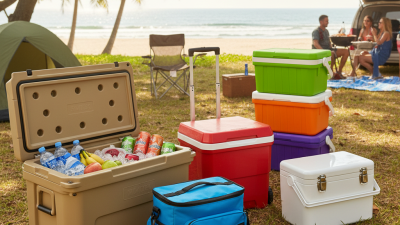
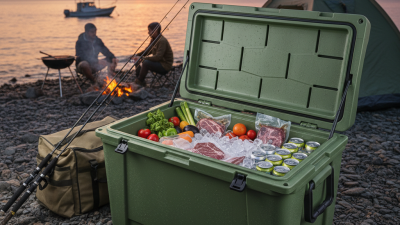
An ice box is not just a simple cooler. It serves as an essential companion for camping trips, beach outings, and barbecues. Buyers need to assess insulation quality, durability, and portability carefully. A box that offers great cooling performance but is too heavy to carry can lead to frustration.
Additionally, it's crucial to examine the features that cater to specific needs. For instance, some users prioritize size and shape, while others focus on added functionalities like built-in cup holders or drainage plugs. It's easy to overlook these details, yet they can significantly affect usability. Choosing the right ice box takes time and reflection, but the reward is a refreshing experience in any outdoor setting.
Understanding Different Types of Ice Boxes Available Globally
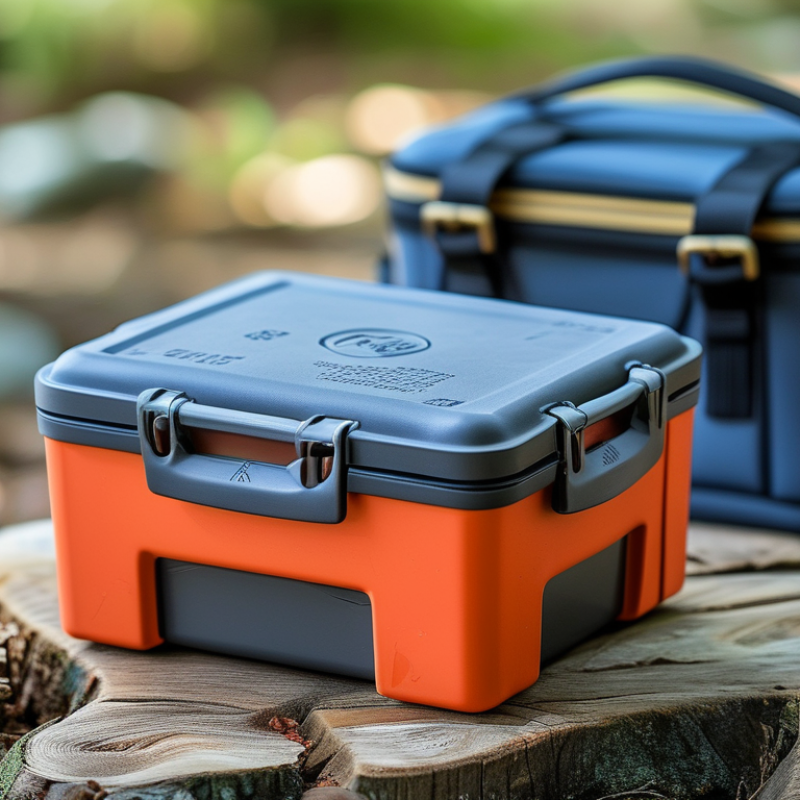
When exploring ice boxes globally, it's essential to recognize the variety available. Ice boxes come in different shapes and sizes, tailored for specific uses. For instance, hard-sided coolers often provide superior insulation and can keep ice for extended periods.
These models are great for camping trips or outdoor events. However, they can be bulky and heavy, making portability a concern.
In contrast, soft-sided ice boxes offer flexibility and are generally easier to carry. They are suitable for day trips where lightweight options are more convenient. Soft-sided models can be less durable, leading to potential punctures. Understanding the capacity each type offers is crucial.
Smaller ice boxes might serve well for short outings, while larger models accommodate longer adventures or family gatherings.
Each material used in construction has its pros and cons. For example, high-quality plastics tend to be more durable but can be pricier. Metallic options, while sturdy, may not insulate as efficiently. Recognizing these aspects can guide buyers toward informed choices but may also raise questions about the best long-term investment. Balancing price, weight, and durability can be challenging, underscoring the need for careful consideration.
Key Features to Consider When Choosing an Ice Box
When selecting an ice box, key features significantly impact functionality and user satisfaction. Insulation is essential. Look for thick insulation that maintains temperature efficiently. A study found that well-insulated boxes can keep ice for up to 10 days, making them ideal for long trips or events. Materials also play a crucial role. High-quality plastics or rotomolded designs enhance durability, resisting impacts and environmental wear.
Consider the size and capacity. An ice box should balance portability with sufficient space for your needs. Larger boxes may seem appealing, but they can be cumbersome. Overpacking can lead to faster melting of ice. Analyze the dimensions and weight before making a decision. While a heavier cooler may offer better durability, it can also strain your transport abilities.
A removable drain plug can improve usability significantly. It simplifies cleaning and emptying melted water, which can enhance the product's lifespan. Features like handles and wheels can also affect transport ease. Some users prefer secure latches for added safety. These elements, while minor, can greatly enhance the overall experience. Always weigh these considerations against your unique requirements for an optimal choice.
Best Ice Box Tips for Global Buyers
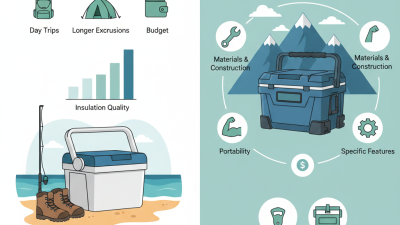
When choosing an ice box, it's essential to consider several key features that can significantly impact performance and usability. The following chart illustrates the importance of various features based on consumer preferences.
Size and Capacity: Finding the Right Fit for Your Needs
When selecting an ice box, size and capacity are crucial. It's essential to assess your needs before making a purchase. Consider how often you plan to use it and for what purpose. Will it be for camping trips, beach outings, or backyard parties? Different scenarios require different sizes. A smaller model might suffice for picnics, while larger gatherings demand more capacity.
Think about the number of people you usually accommodate. This will guide you in choosing the right fit. An ice box with a capacity of around 30-50 liters often suits small families or couples. For larger groups, models that hold 70 liters or more may be necessary. Reflect on your lifestyle and storage habits too. If you often travel, portability is another factor to keep in mind.
It's worth noting that choosing a larger ice box might mean more storage space but can also add weight. Ensure that you can manage the size effectively, especially when full. Balancing capacity with practicality is vital. Every detail counts, from handling to insulation effectiveness. Take time to think through your options carefully.
Insulation and Durability: Ensuring Optimal Performance
When choosing an ice box, insulation is a crucial factor. Quality insulation maintains cold temperatures effectively. Look for models with thick walls and a solid core. These features enhance thermal retention. Poor insulation, on the other hand, could leave your food and drinks warm, nullifying the purpose of an ice box.
Durability is another key aspect to consider. An ice box should withstand rough handling and extreme conditions. Check the material used in construction; heavy-duty polyethylene or rotomolded designs often provide better resilience. A reliable ice box can endure camping trips or long days at the beach without falling apart. However, not all options offer the same level of toughness. Perform research and consider user reviews to gauge real-world performance.
Reflect on your specific needs as well. Some ice boxes may excel in insulation but lack portability. Others might be lightweight but compromise on durability. Think about what matters most for your activities. Finding the perfect balance between insulation and durability takes time and consideration. Always strive for a thoughtful purchase, leading to satisfaction with your choice.
Best Ice Box Tips for Global Buyers What to Look For? - Insulation and Durability: Ensuring Optimal Performance
| Feature |
Description |
Importance |
Rating (1-5) |
| Insulation Material |
High-performance foam or polyethylene for superior thermal retention. |
Essential for maintaining cold temperatures for extended periods. |
5 |
| Durability |
Rugged exterior materials that resist shocks, impacts, and UV damage. |
Crucial for outdoor and travel use. |
4 |
| Sealing Mechanism |
Robust lid locks or gaskets to minimize air exchange. |
Key for maintaining internal temperature. |
5 |
| Portability |
Lightweight design with handles and wheels for easy transport. |
Important for users who are on the go. |
4 |
| Size Options |
Variety of sizes to accommodate different needs, from personal to family use. |
Important for flexibility in usage. |
4 |
| Drainage System |
Built-in spouts for easy draining of melting ice. |
Enhances user experience and cleanliness. |
3 |
Price vs. Quality: Making an Informed Purchase Decision
When considering the purchase of an ice box, price and quality play crucial roles in decision-making. A lower price can lure buyers, but it often comes with trade-offs. Cheaper ice boxes may lack durability or insulation. These shortcomings can lead to frustration during outdoor adventures. Investing in a more reliable option could save you from disappointing experiences down the line.
Quality materials matter significantly. Look for ice boxes made from robust plastics or metal. Evaluate the insulation capabilities. A well-insulated ice box keeps items cold longer, enhancing your outdoor experience. However, it’s essential to calibrate your expectations. A top-tier ice box carries a higher price tag. This doesn’t always guarantee satisfaction. Sometimes, even expensive options fail to deliver in performance.
Informed purchasing requires careful consideration of your needs. Assess how often you plan to use the ice box and in what conditions. If you travel occasionally, a mid-range model might suffice. Frequent campers may benefit from a premium choice. Weigh these factors diligently. It helps prevent buyer’s remorse while ensuring you get lasting value.