Best Fishing Boat Ice Box for Your Next Adventure?
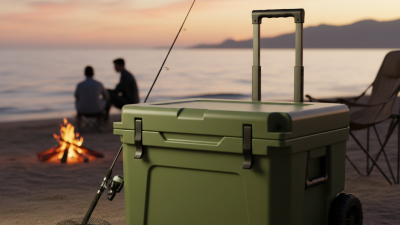
When planning a fishing trip, choosing the right Fishing Boat Ice Box can significantly enhance your experience. Renowned fishing expert Captain James Walker emphasizes, “A quality ice box can make or break your fishing adventure.” This highlights the importance of selecting the best options available.
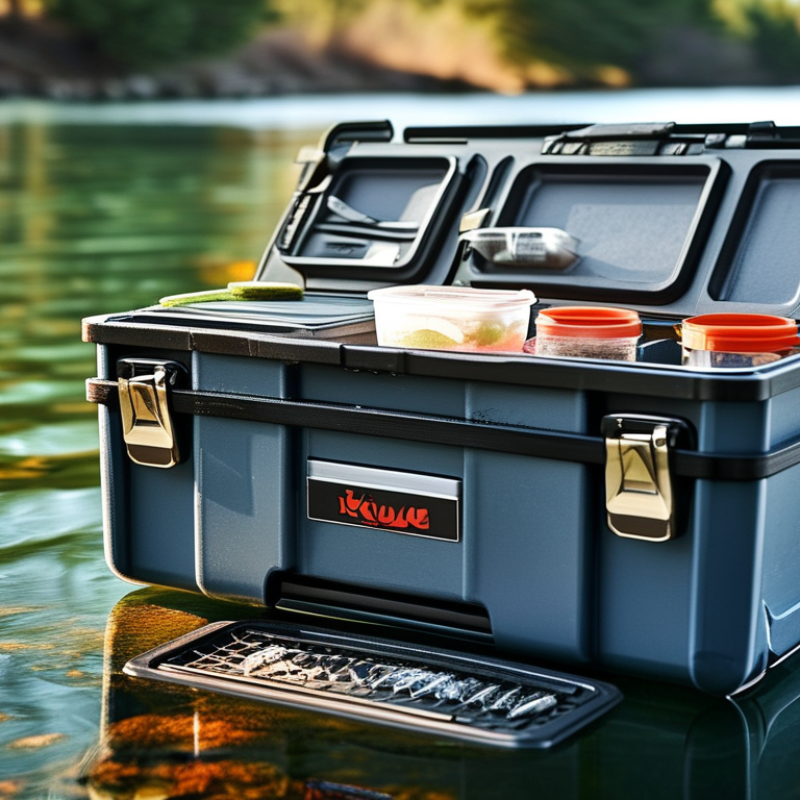
A reliable Fishing Boat Ice Box keeps your catch fresh and your drinks cold. It also provides essential storage space on board. Whether you're on a weekend getaway or an extended expedition, having an effective ice box is vital.
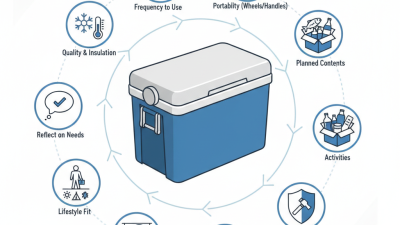
Many boaters overlook this essential gear. Some may settle for a less efficient cooler, leading to disappointment. It’s crucial to consider features like insulation, size, and durability. A well-chosen ice box not only preserves your catch but also enhances your overall experience on the water. Reflect on your needs and make informed choices to ensure a successful fishing adventure.
Choosing the Right Size Ice Box for Your Fishing Boat
Choosing the right size ice box for your fishing boat is crucial for a successful trip. A properly sized ice box ensures your catch stays fresh and your drinks cold. When selecting an ice box, consider your boat’s available space. A box that’s too large can take up valuable room, while one that’s too small may not meet your needs.
Start by assessing how many anglers will be aboard. If you're fishing with a group, a larger box is ideal. On the contrary, for solo fishing trips, a compact ice box suffices. Think about the type of fish you'll catch, too. Some fish, like tuna, need more space, while others are smaller.
Tips: Always measure your boat's storage area. Take into account height and width. A box that fits snugly may limit airflow. For longer trips, consider additional features like drainage or insulation. Also, plan for unexpected catches. You don’t want to limit your success by not having enough room for your haul. Keeping an eye on the ice level is necessary. You'll need to replenish ice to ensure freshness throughout the day.
Essential Features to Look for in a Fishing Boat Ice Box
When selecting a fishing boat ice box, some essential features can significantly enhance your outdoor experience. First, insulation is crucial. High-quality, thick insulation keeps ice longer, which is vital for extended trips. According to industry reports, a well-insulated ice box can maintain ice for up to 10 days. This means fewer trips to replenish ice and more time fishing.
Durability is another vital aspect. Many anglers overlook the ruggedness of an ice box. Fishing environments can be harsh, and equipment can face wear and tear. Choosing a tough, UV-resistant material extends the box's lifespan. Studies indicate that nearly 30% of ice boxes fail due to environmental damage. A sturdy ice box reduces replacement frequency, saving money in the long run.
Size and portability also matter. An effective ice box should fit snugly on your boat while still providing ample room for your catch. Many people struggle with a box that is either too cramped or cumbersome. Compact designs can weigh as little as 10 pounds, making them easier to handle. Ultimately, a combination of insulation, durability, and size will greatly enhance your fishing adventures.
Top Ice Box Materials for Durability and Insulation
Choosing the right material for an ice box can make or break your fishing trip. Insulation is crucial for keeping your catch fresh and your drinks cold. Research indicates that polyethylene is a popular choice for ice box construction. It's lightweight, resistant to impact, and provides decent insulation. Yet, its long-term durability is sometimes questioned in demanding conditions.
Alternatively, rotomolded plastic is gaining popularity. This material offers superior insulation and can withstand rough handling. According to the National Marine Manufacturers Association, rotomolded ice boxes can retain ice for up to 10 days. This durability is crucial on extended trips where access to supplies might be limited. However, the weight can be a drawback, especially for those needing to transport their gear over long distances.
Another option is stainless steel. It’s robust and resistant to corrosion, making it suitable for saltwater environments. However, stainless steel models can be more expensive. In some cases, their weight can be an issue as well, which influences transport efficiency. Balancing durability, weight, and cost is key. Each material offers distinct advantages, yet also presents challenges that should not be overlooked.
Best Fishing Boat Ice Box Materials for Durability and Insulation
Comparing Price vs. Performance in Fishing Boat Ice Boxes
Choosing the right ice box for your fishing boat can be challenging. Price and performance should always be weighed. An affordable option may not perform well in keeping your catch fresh. Higher-priced models often feature better insulation and durability.
When analyzing different products, consider materials. Rotomolded options tend to have superior longevity. However, they tend to be pricier. Lighter alternatives can be easier to handle but may compromise on insulating efficiency.
Tips: Always check the ice retention duration. Some boxes claim to last for days but fall short. Buying a box that fits well in your boat is crucial. Look for models that offer secure seals to keep the cold trapped inside.
Consider how often you plan to fish. If infrequent, a budget model may suffice. Frequent anglers should invest in durable options to ensure performance. Balance your needs with your budget, and you’ll make a sound choice.
Maintenance Tips for Maximizing the Lifespan of Your Ice Box
Maintaining your fishing boat ice box is essential. A well-maintained cooler will last longer and perform better on your adventures. Start by cleaning the ice box after each use. Rinse it with fresh water to remove any salt or debris. This simple step prevents odors and bacteria buildup.
Check the seals regularly. Worn-out seals can lead to melting ice and wasted energy. Replace damaged seals as soon as you notice gaps. Consider storing the ice box in a dry, shaded area when not in use. Sun exposure can damage the material.
Periodically inspect the hinges and latches. These parts often experience wear and tear. Lubricate them to ensure smooth operation. When storing your cooler, keep it open to allow airflow. This can prevent mold growth. Reflect on these practices to enhance your ice box longevity during your next fishing trip.