How to Choose the Best Fish Box Coolers for Your Needs?
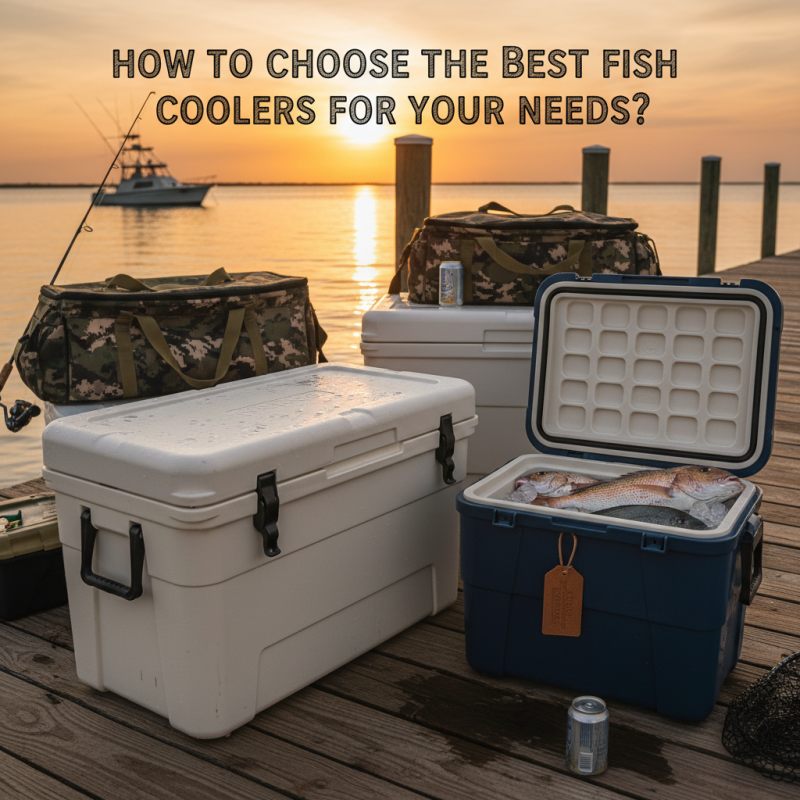
When it comes to outdoor adventures, selecting the right Fish Box Coolers is crucial. These coolers are designed specifically to keep your catch fresh and your drinks cold. With a variety of options available, making the right choice can be daunting. Factors such as insulation, size, and durability should all be considered.
Fish Box Coolers come in various shapes and sizes. Each model has unique features that may suit your specific needs. For instance, some offer advanced insulation technology, while others may prioritize portability. Evaluating your fishing habits will help narrow down your options.
It's easy to overlook important details when choosing. You might feel drawn to flashy designs or lower prices. However, investing in quality is essential. A dependable cooler not only enhances your experience but also protects your catch. Look for reviews and seek recommendations to ensure you make an informed decision.
Factors to Consider When Choosing a Fish Box Cooler
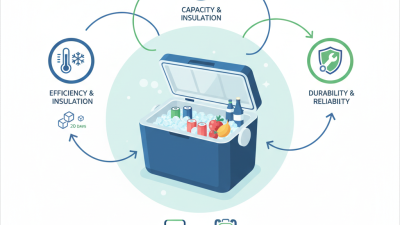
When selecting a fish box cooler, several key factors come into play. The insulation quality is paramount. Good insulation can maintain temperatures for an extended period. A 2019 report by the National Marine Manufacturers Association stated that cooler efficiency directly impacts the freshness of caught fish. The materials used in construction also matter. Durable, UV-resistant materials prolong the cooler's life and enhance reliability.
Portability is another consideration. A cooler that is too heavy can be a hassle. Look for models with ergonomic handles and lightweight designs. Weight can affect your ability to transport it easily on boats or during long trips. Additionally, capacity assessment is vital. A cooler must hold the expected catch without compromising space. Cooler inventory data often shows that sizes fluctuating between 60 to 100 quarts generally meet the needs of anglers.
Be mindful of price versus features. Some coolers with advanced technology might not guarantee better performance in real-world situations. While cost-efficient options exist, they may lack durability. Users must weigh the importance of various features against their frequency of use. It’s common for buyers to regret overlooking this balance, leading to an unsatisfactory choice.
Types of Fish Box Coolers and Their Features
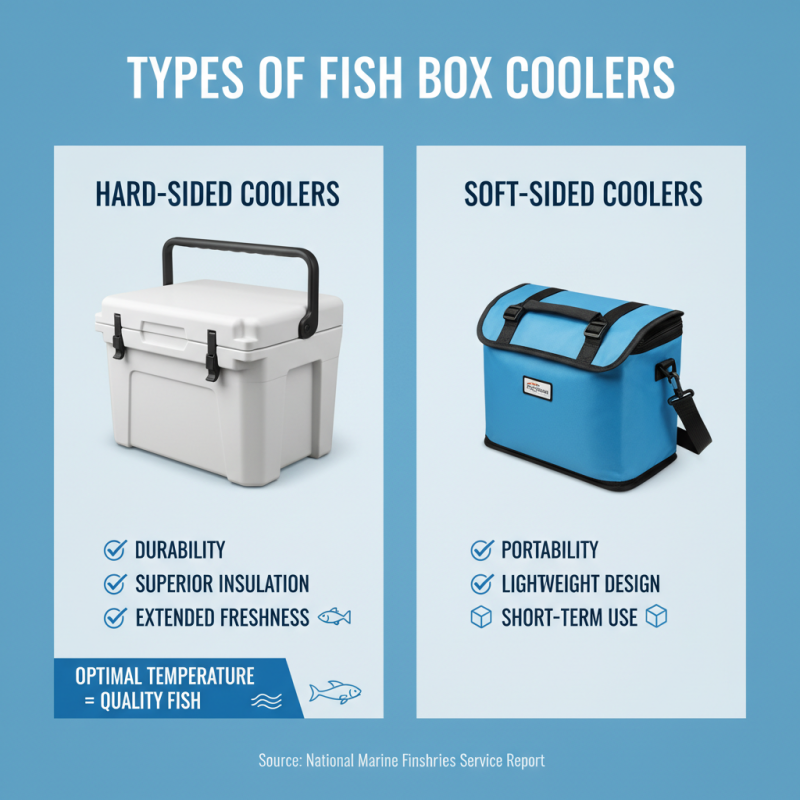
When selecting a fish box cooler, understanding the various types and their features is crucial. One popular option is the hard-sided cooler. These coolers are designed for durability and efficiency. They often provide superior insulation, keeping fish fresh for extended periods. A report from the National Marine Fisheries Service notes that maintaining optimal temperatures is essential to preserve the quality of caught fish.
Soft-sided coolers are also a popular choice for anglers. They are lightweight and easy to transport. Many models include waterproof liners and insulation to keep the contents cool. A study from the Fishing Tackle Retailer found that many users prefer these coolers for day trips. However, they may not retain cold as long as hard-sided varieties.
Insulation type is another factor to consider. Many coolers utilize foam insulation, while others incorporate vacuum-sealed technology for enhanced performance. Data from industry analyses show that coolers with thicker insulation can keep contents cold for over 48 hours. However, users should be aware that excessive weight can impact transport. Selecting the right fish box cooler involves weighing these features against personal needs and preferences.
Insulation Performance: How It Affects Your Cooler Choice
When selecting fish box coolers, insulation performance is a key factor. Qualitative research indicates that quality insulation can extend cooling time significantly. For example, a well-insulated cooler maintains ice for up to five days under optimal conditions, while less efficient models may only last one to two days. The materials used in insulation often play a crucial role in this effectiveness.
High-density foam is commonly recommended for optimal thermal retention. Studies show that coolers with thicker walls typically exhibit improved insulation performance. One report highlights that models with a minimum of two inches of foam can reduce heat transfer by 50%. This is critical during long fishing trips or extended outings where temperature control is essential.
However, the ideal insulation also depends on individual usage. Not every angler needs a cooler that can keep ice for days. For occasional use, a less expensive model may suffice. Many users report dissatisfaction with their cooler choice due to either overestimating their needs or choosing a model lacking in quality. Evaluating your specific scenario is vital to ensure satisfaction and avoid wasted resources.
Portability and Size: Finding the Right Fit for Your Needs
When choosing a fish box cooler, portability and size become critical factors. A good cooler should fit your needs while being easy to transport. Think about where you'll take it: a boat, camping, or a picnic. If you’re hiking, a lighter, smaller cooler is ideal. For a longer fishing trip, a more substantial size may be necessary.
Consider how much fish you typically catch. A compact cooler won’t suffice if you plan on bringing home a large haul. However, large coolers can be cumbersome for short trips. Balancing size with weight is essential. Look for features like comfortable handles or wheels that make transporting heavier units easier.
Keep in mind that your lifestyle affects your choice. An occasional fisherman may not need a heavyweight cooler, while frequent anglers might benefit from larger options. Reflecting on your past trips can help you pinpoint what works best. Ultimately, finding a cooler that is just the right size will enhance your fishing experience, making it more enjoyable and efficient.
Budget Considerations: Maximizing Value in Your Cooler Selection
When selecting a fish box cooler, understanding budget considerations is crucial. The right cooler can make or break your fishing trip. According to a 2022 industry report, over 60% of anglers prioritize budget over brand loyalty. This emphasizes the importance of maximizing value without compromising quality. A solid cooler should maintain ice retention for up to five days, as noted in various consumer reviews.
Cost-effective coolers often provide features like reinforced hinges and durable lids. However, many budget models may lack these essentials, resulting in poor performance. A cooler that fails after one use can lead to wasted money. Research shows that nearly 40% of consumers regret their cooler choice because of inadequate insulation. Buying a cooler that meets your needs is not just about the price tag; it’s about the long-term value it provides.
While features like portability are essential, they shouldn't overshadow the basics. A reliable cooler should effectively preserve your catch and withstand the elements. Striking this balance often requires careful research and comparisons. Some buyers report spending too little and facing disappointment. Conversely, overspending can lead to less savings for other fishing gear.
How to Choose the Best Fish Box Coolers for Your Needs? - Budget Considerations: Maximizing Value in Your Cooler Selection
| Cooler Model |
Capacity (Quarts) |
Price ($) |
Insulation Type |
Weight (lbs) |
Durability Rating |
| Model A |
48 |
139 |
Polyurethane Foam |
20 |
High |
| Model B |
30 |
89 |
Expanded Polystyrene |
15 |
Medium |
| Model C |
70 |
199 |
High-Density Foam |
25 |
Very High |
| Model D |
50 |
149 |
Polyurethane Foam |
18 |
High |
| Model E |
40 |
115 |
Foam Insulation |
12 |
Medium |